


When we think of Buddha statues, we often imagine serene, graceful figures that inspire peace and mindfulness. But the earliest representations of the Buddha were not always as we see them today. Early Buddha Statues carry immense historical, cultural, and spiritual significance, serving as some of the finest examples of Buddhist art. These statues are more than objects of devotion—they are windows into ancient civilizations, their beliefs, and their craftsmanship.
In this article, we’ll explore the history of early Buddha statues, their symbolism, artistic value, and why they remain treasured spiritual artifacts across the world.
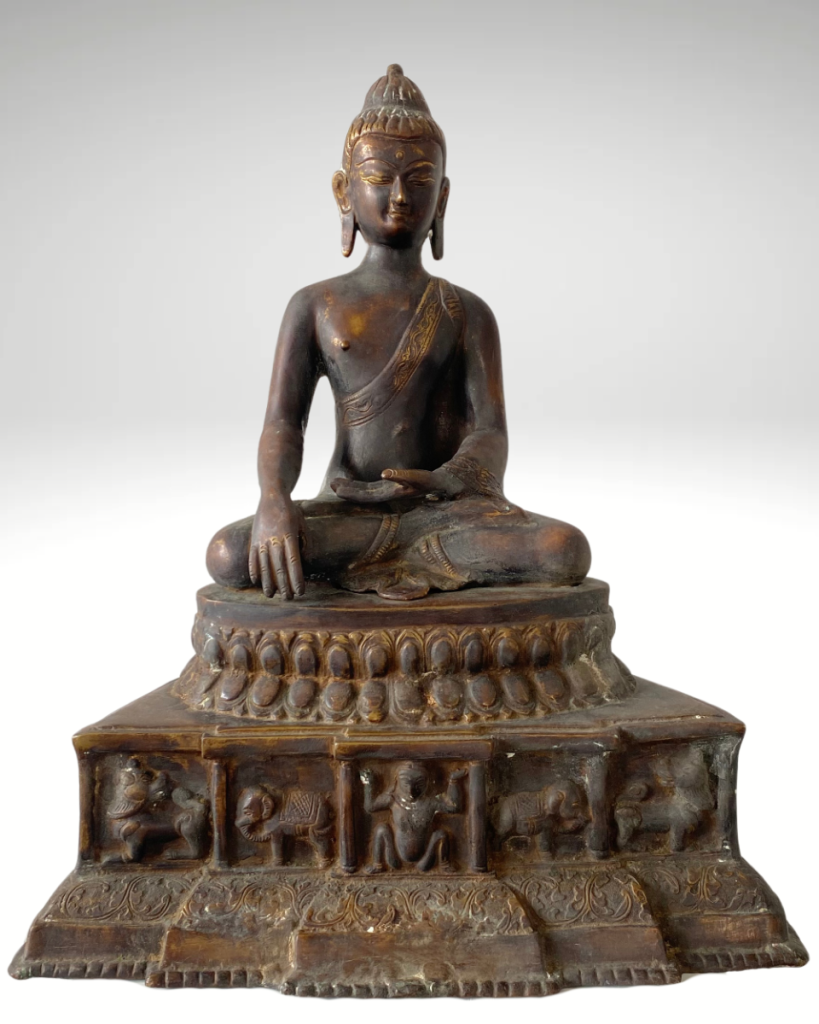
The Origins of Early Buddha Statues
From Symbolic to Figurative Representation
In the earliest days of Buddhism, the Buddha was not represented in human form. Instead, symbols such as the lotus flower, bodhi tree, or wheel of dharma were used to convey his teachings. It wasn’t until the 1st–2nd century CE during the Gandhara and Mathura periods that the first Buddha sculptures emerged.
- Gandhara Style: Influenced by Greco-Roman art, with wavy hair, flowing robes, and realistic features.
- Mathura Style: More indigenous, with robust figures, spiritual expressions, and symbolic postures.
These early Buddha statues became a turning point in Buddhist art, shaping how millions would visualize and connect with the Buddha.
Symbolism in Early Buddha Sculptures
Each Buddha sculpture from early traditions carries symbolic meaning.
- Seated Buddha Statues: Represent meditation and enlightenment under the Bodhi tree.
- Standing Buddha Statues: Symbolize teaching and compassion.
- Hand Gestures (Mudras): Such as the “Dharmachakra Mudra” (teaching gesture) or “Abhaya Mudra” (fearlessness) embody key Buddhist values.
These details make every authentic Buddha statue more than art—they are powerful spiritual tools.
Materials and Craftsmanship in Early Buddhist Art
The materials chosen for early Buddha statues reflect both availability and spiritual intent.
- Stone and Terracotta were common in early Indian art.
- Bronze Buddha Statues became prominent later, particularly in Southeast Asia, admired for their durability and intricate detail.
- Some rare statues, like the Lakshmi bronze, show how spiritual and artistic traditions overlapped in South Asia.
Each bronze Buddha sculpture required incredible craftsmanship, using techniques like lost-wax casting, which continues to influence artisans today.
The Spread of Early Buddha Statues Across Asia
As Buddhism spread across Asia, so did the tradition of crafting Buddha statues.
- India: The birthplace of early Buddha statues that influenced later traditions.
- Thailand: Known for its distinct Thai Buddha statues with flame-like halos symbolizing enlightenment.
- China & Japan: Adopted and adapted the art into unique local forms.
This spread created diverse yet interconnected traditions within Buddhist art, each with regional characteristics but united by spiritual meaning.
Spiritual Value of Early Buddha Statues
Why are early Buddha statues so revered today?
- Historical Significance – They preserve the evolution of Buddhist worship and art.
- Spiritual Power – They embody mindfulness, peace, and compassion.
- Cultural Heritage – Collectors and devotees alike treasure them as authentic pieces of history.
For many, owning an antique Buddha statue is not only a spiritual choice but also a way to honor centuries of tradition.
Antique Buddha Statues: Collecting with Care
Today, collectors and spiritual seekers often search for an antique Buddha statue for sale to own a piece of history. However, it’s important to ensure authenticity.
- Antique Buddha statues carry natural patinas and wear that reflect age.
- An authentic Buddha statue often comes with provenance or certification.
- Bronze Buddha sculptures with fine detailing are particularly sought after by collectors.
When investing in an antique Buddha statue, purchase only from trusted sources like 1st Buddha, where authenticity and spiritual value are prioritized.
Caring for Your Buddha Sculpture
Whether it’s an antique Buddha statue or a newly crafted bronze Buddha, proper care helps preserve its beauty and meaning.
- Dust regularly with a soft cloth.
- Avoid harsh chemicals that can damage patina.
- Place respectfully—at eye level or higher, never directly on the floor.
- Protect antiques—maintain their natural aging without over-polishing.
This ensures your Buddha sculpture remains both spiritually uplifting and artistically valuable.
Conclusion
Early Buddha statues are timeless treasures that tell stories of history, culture, and spirituality. From their symbolic beginnings to finely detailed bronze Buddha sculptures, these works of Buddhist art remain powerful reminders of peace and enlightenment.
Whether you’re a collector seeking an antique Buddha statue for sale or someone inspired by the serenity of a Thai Buddha statue, these sacred sculptures connect us to centuries of devotion and artistry.
At 1st Buddha, we celebrate this heritage by offering carefully curated, authentic Buddha statues that bring timeless wisdom into your home.
FAQs
1. What is the history of early Buddha statues?
Early Buddha statues originated in India around the 1st–2nd century CE during the Gandhara and Mathura periods. They marked the transition from symbolic to figurative representations in Buddhist art.
2. How can I identify an authentic Buddha statue?
Look for traditional features, fine craftsmanship, and provenance. Reputable sources like 1st Buddha provide authentic Buddha statues with spiritual and historical integrity.
3. Why are antique Buddha statues valuable?
They hold historical, artistic, and spiritual significance. An antique Buddha statue for sale is often rare, making it a prized possession for collectors and practitioners alike.
4. What materials were used in early Buddha sculptures?
Stone, terracotta, and later bronze were common. The bronze Buddha statue became especially prominent in Southeast Asia.
5. How should I care for my Buddha sculpture?
Keep it dust-free with a soft cloth, avoid harsh chemicals, and place it respectfully. For antique pieces, preserve their natural patina without over-cleaning.


