


Dental emergencies can be both painful and stressful, often requiring immediate attention. Following an emergency dental procedure, whether it’s an extraction, root canal, or repair, what you eat plays a significant role in your recovery. The right foods can help soothe discomfort, prevent complications, and support your oral health. In this guide, we’ll explore the best dietary choices post-procedure and what to avoid to ensure a smooth healing process.
Understanding Your Recovery Needs
After an emergency dental procedure, your mouth will likely be sensitive, swollen, or sore. Procedures like tooth extractions create an open wound that needs time to heal, while root canals may leave your tooth area tender for several days. Your body requires nutrients that support tissue repair and maintain energy levels without irritating your healing mouth.
Hydration is also crucial during recovery. Water keeps your mouth clean and aids in the healing process. Avoid beverages that are too hot, too cold, or acidic, as they may trigger discomfort or interfere with healing.
Foods to Eat Immediately After a Procedure
The first 24 hours after your procedure are critical. Soft, cool, and easy-to-swallow foods are ideal during this period. Some recommended options include:
- Cold soups or broths: These provide nutrients without requiring chewing. Ensure they are lukewarm rather than piping hot.
- Yoghurt: Smooth, creamy, and rich in protein and probiotics, yoghurt helps maintain digestive health.
- Mashed potatoes: Soft and filling, mashed potatoes are gentle on sensitive areas. Avoid adding spicy seasonings.
- Smoothies: Packed with fruits and vegetables, smoothies supply vitamins and minerals. Avoid using straws, as the suction can dislodge blood clots after extractions.
- Applesauce: A gentle source of vitamins and fibre without straining your teeth.
These foods not only reduce irritation but also provide essential nutrients to aid your recovery.
Gradually Reintroducing Solid Foods
Once the initial tenderness starts to subside, usually after 2-3 days, you can begin adding slightly firmer foods. However, it’s important to avoid anything that could damage the healing tissue or cause pain. Soft-cooked vegetables, eggs, well-cooked pasta, and tender fish are excellent choices.
At this stage, focusing on a balanced diet ensures your body receives sufficient proteins, vitamins, and minerals to support healing. Proteins from sources like scrambled eggs, soft chicken, or fish can promote tissue repair, while vitamin-rich fruits and vegetables boost your immune system.
Foods to Avoid During Recovery
Certain foods and habits can disrupt the healing process or cause complications. Avoid:
- Hard, crunchy foods like nuts, chips, and raw vegetables.
- Sticky foods such as toffees or caramel, which can get lodged in dental work.
- Extremely hot or cold foods that can trigger sensitivity.
- Alcohol and carbonated drinks, which can irritate tissue and hinder recovery.
- Using straws, especially after tooth extraction, to prevent dislodging the clot.
Avoiding these foods ensures that your recovery remains smooth and reduces the risk of infections or prolonged discomfort.
Incorporating Nutrient-Rich Foods
To heal efficiently, your body needs adequate nutrition. Key nutrients to focus on include:
- Protein: Supports tissue repair. Sources include soft-cooked eggs, yoghurt, and tender fish.
- Vitamin C: Aids in healing gums and tissue. Include mashed berries, oranges (after the first few days), and soft kiwi.
- Calcium and Vitamin D: Strengthen teeth and bones. Dairy products like milk and soft cheese are ideal.
- Iron: Supports blood health and recovery. Soft-cooked spinach or well-blended legumes are gentle options.
Balanced meals can improve your recovery timeline and overall oral health.
Tips for Eating Safely After a Dental Emergency
Eating safely after a dental emergency goes beyond food choice. Follow these guidelines:
- Chew on the opposite side: Protect the healing area by using the side of the mouth that wasn’t treated.
- Cut food into small pieces: Minimises strain and reduces the risk of injury.
- Maintain oral hygiene: Rinse gently with saltwater if brushing is uncomfortable, ensuring the area stays clean.
If pain persists or swelling worsens, contact a professional. Finding an emergency dentist in Glasgow promptly can prevent complications and provide expert advice tailored to your procedure.

When to Consult a Professional
Some procedures may cause prolonged sensitivity or minor bleeding, which usually resolves in a few days. However, severe pain, swelling, or unusual discharge should prompt immediate consultation. Visiting a hygienist in Glasgow can also help maintain oral health during recovery and prevent further complications.
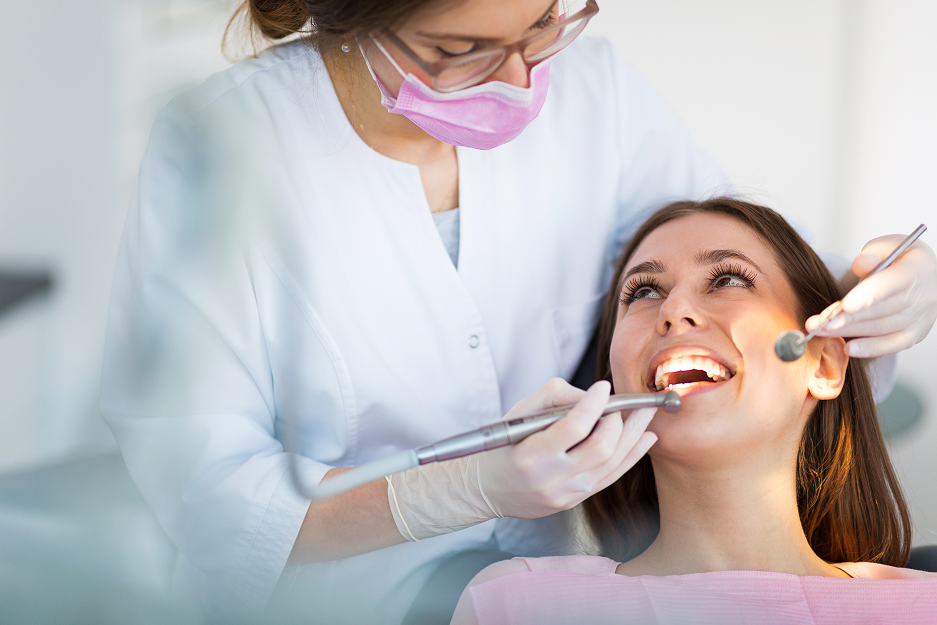
Regular check-ups and professional guidance ensure that your mouth heals correctly while minimising discomfort.
Maintaining Oral Health Post-Recovery
Once your recovery period is over, it’s important to adopt healthy habits that prevent future dental emergencies:
- Brush gently but thoroughly with a soft-bristled toothbrush.
- Floss carefully to remove debris without irritating the gums.
- Avoid excessive sugar and sticky foods.
- Keep up with regular dental appointments to catch issues early.
These practices support long-term oral health, making your recovery smoother in future scenarios.
Conclusion
Recovering from an emergency dental procedure in Glasgow requires mindful eating and proper care. By choosing soft, nutrient-rich foods, avoiding irritants, and consulting professionals when necessary, you can ensure a smoother, faster recovery. Whether you need advice on immediate care or professional guidance for ongoing oral health, the EDA Group provides reliable dental services to help you regain comfort and confidence after any dental emergency.


