


Building a successful dental practice requires more than clinical expertise and quality equipment. Patients today expect a professional environment that feels welcoming, organised and trustworthy. At the same time, practice owners must consider efficiency, compliance, staff wellbeing and long-term financial sustainability. Every decision made during the planning stage can influence future growth. By creating a strong foundation from the outset, dental professionals can establish a practice that supports exceptional care while remaining adaptable to changing patient expectations and industry developments. Success in this regard often starts with prioritizing a cohesive dental clinic design.
Establishing a Strong Foundation
Launching a dental practice is a significant undertaking that involves careful planning and strategic thinking. While attracting patients is often a primary objective, long-term success depends on creating a framework that supports consistent growth.
A clear business plan should outline goals, services, target demographics and operational priorities. Understanding the local market and identifying opportunities for differentiation can also help create a stronger position within a competitive sector through unique dental clinic design.
Equally important is recognising that patient expectations have evolved considerably. Modern patients often evaluate a practice based on convenience, professionalism and overall experience as much as clinical outcomes. As a result, every aspect of the practice should be aligned with delivering value and building confidence.
Setting Clear Business Goals
Establishing measurable objectives provides direction and helps guide investment decisions. Some practices may prioritise expanding treatment options, while others may focus on increasing patient capacity or improving operational efficiency.
Defining these goals early allows practice owners to make informed choices about staffing, technology and facilities. It also provides a benchmark for evaluating progress over time.
Understanding Patient Expectations
Patients increasingly seek environments that feel comfortable and professionally managed. Factors such as accessibility, cleanliness, communication and ease of booking can all influence how a practice is perceived.
Creating a positive experience begins before treatment starts. From the first interaction through to ongoing care, consistency and professionalism contribute to patient confidence and loyalty.
Designing for Efficiency and Growth
Dental clinic design plays a crucial role in supporting both operational performance and patient satisfaction. A well-planned environment can improve workflow, reduce unnecessary movement and create a more pleasant experience for everyone using the space.
Rather than focusing solely on aesthetics, successful design balances appearance with functionality. Every room and circulation route should serve a clear purpose while supporting the needs of staff and patients alike.
Creating Functional Workspaces
The layout of a practice can significantly affect productivity. Treatment rooms, sterilisation areas, storage spaces and administrative zones should be arranged to support efficient daily operations.
Carefully planned areas allow employees to switch between activities more efficiently, cutting down on delays and enhancing the patient experience overall. This can contribute to better appointment management and a smoother working environment.
Industry publications, including the British Dental Journal, have frequently highlighted the importance of well-planned healthcare environments in supporting effective care delivery and operational performance.
Supporting Team Productivity
Squat Dental Practice concepts often emphasise the relationship between workspace planning and staff efficiency. Dental professionals spend long hours within clinical environments, making functionality an essential consideration.
Comfortable staff areas, accessible storage solutions and practical workstations can help support daily performance. When employees have access to spaces that meet their needs, they are often better positioned to focus on delivering high-quality care.
A productive workplace also contributes to team morale, communication and retention, all of which can influence the overall success of the practice.
Delivering an Outstanding Patient Experience
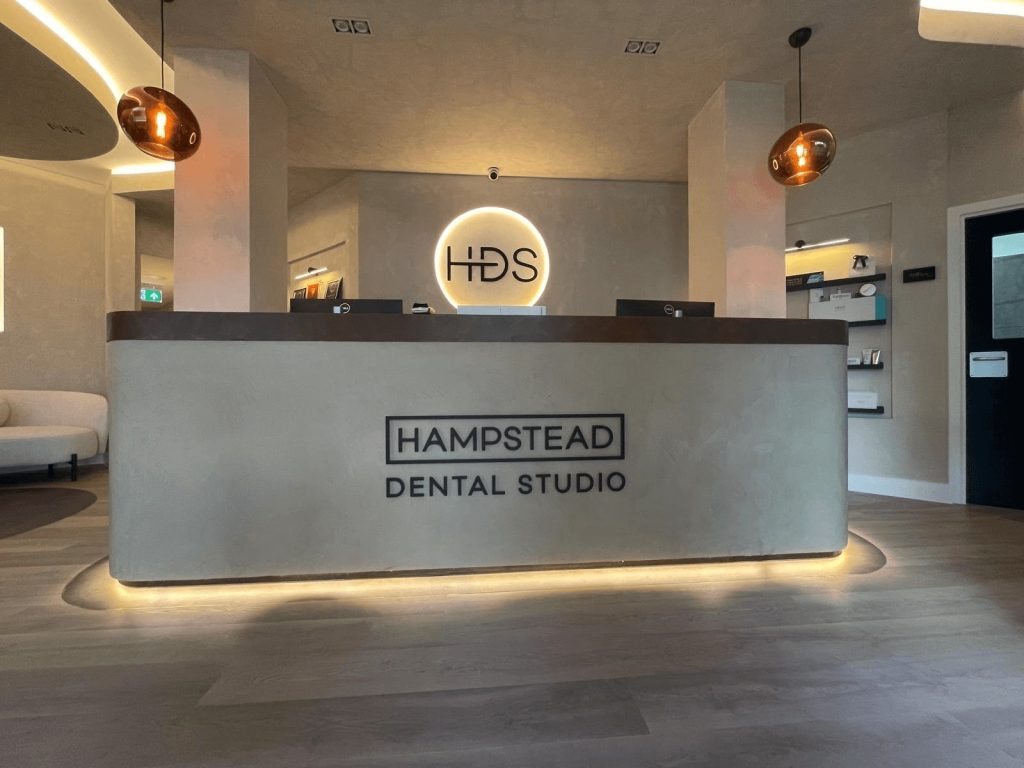
Dental clinic design has a direct impact on how patients feel when visiting a practice. The physical environment often shapes first impressions and can influence levels of comfort and trust.
Many patients experience some degree of anxiety before dental appointments. Creating a calm and welcoming atmosphere can help reduce stress and encourage a more positive perception of treatment.
Comfort, Accessibility and Trust
Reception areas, waiting spaces and treatment rooms should be designed with patient comfort in mind. Natural lighting, clear signage and accessible facilities can all contribute to a more welcoming experience.
Trust is also influenced by visual cues. A clean, organised environment communicates professionalism and attention to detail. Patients often associate these qualities with the standard of care they expect to receive.
Throughout the whole design process, accessibility should be given top consideration. Ensuring that facilities are easy to navigate supports inclusivity and helps accommodate a wider range of patient needs.
Technology and Modern Dentistry
The future of dental care is still being shaped by technology. Digital imaging, electronic records and advanced treatment systems have become increasingly common across the industry.
When planning a practice, it is important to consider current technology requirements alongside future developments. Providing adequate infrastructure from the beginning can help avoid costly upgrades later.
Disclaimer: Technology investments should always be assessed according to individual practice requirements, budget considerations and applicable professional regulations.
Financial Planning for Long-Term Success
A successful dental practice must balance clinical excellence with sound financial management. Strategic investment decisions made during the early stages can have a lasting impact on profitability and sustainability.
Careful budgeting helps ensure that resources are allocated effectively while avoiding unnecessary expenditure. This includes evaluating both immediate needs and future growth opportunities.
Making Strategic Investments
Not every investment delivers instant financial returns. However, certain improvements can create long-term value through increased efficiency, patient retention and operational reliability.
Although they may cost more up front, scalable technological solutions, energy-efficient systems, and durable materials can eventually result in lower expenses. Evaluating investments from a long-term perspective often provides a clearer picture of their overall value.
Practice owners should also consider the potential impact of decisions on staff satisfaction and patient experience, as these factors can indirectly influence financial performance.
Planning for Future Expansion
Squat Dental Practice planning frequently incorporates flexibility to accommodate future growth. As patient demand increases, practices may wish to add treatment rooms, expand service offerings or introduce new technologies.
Designing with adaptability in mind can minimise disruption when changes become necessary. Flexible layouts and scalable infrastructure—key components of strategic dental clinic design—provide opportunities for growth without requiring extensive structural modifications.
Disclaimer: Financial outcomes vary between practices. Professional financial and business advice should be obtained before making significant investment decisions.
Compliance and Professional Standards
Dental clinic design must support compliance with relevant regulations and professional standards. Meeting these requirements is essential for maintaining safe, efficient and legally compliant operations.
Healthcare environments are subject to a range of obligations covering areas such as infection control, accessibility, health and safety, and data protection. These considerations should be incorporated into planning from the earliest stages.
Building a Practice That Meets Regulations
Compliance should never be treated as an afterthought. Integrating regulatory requirements into the design process can help reduce risks and avoid costly modifications later.
Practice owners should remain informed about evolving standards and seek professional guidance where necessary. A proactive approach supports both operational continuity and patient confidence.
Working with Experienced Design Partners
Squat Dental Practice projects often benefit from collaboration between specialists who understand the unique requirements of dental environments. Architects, designers, contractors and equipment providers can each contribute valuable expertise during the development process.
By working with experienced professionals, practice owners can make informed decisions that balance functionality, compliance and long-term business objectives. A coordinated approach also helps streamline project delivery and reduce potential challenges.
Disclaimer: Regulatory requirements may change over time. Always refer to current guidance from relevant authorities and professional bodies before making operational or design decisions.
Conclusion
Creating a thriving dental practice requires thoughtful planning, strategic investment and a commitment to delivering positive experiences for both patients and staff. From workspace efficiency and financial sustainability to compliance and future growth, every element contributes to long-term success. A well-planned environment supports smoother operations while helping build trust and confidence among patients. Practice owners can set themselves up for long-term success by concentrating on solid foundations and flexible solutions. Divo Interiors understands the importance of creating spaces that support these objectives effectively.


