


So I’ve been obsessed with water features lately. Not in a weird way, I promise. It started when a friend of mine put a small tabletop fountain in her living room and honestly? The whole vibe of the room changed. Not exaggerating. You walk in and there’s this soft trickling sound and suddenly the place feels calmer, less like a room and more like… a place you actually want to sit in.
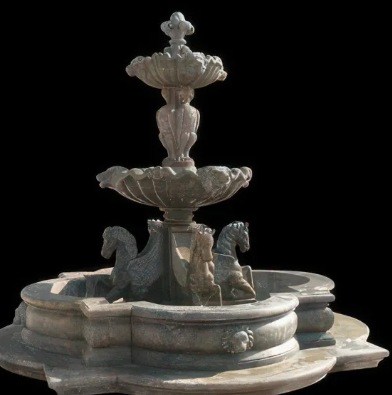
That got me down a rabbit hole of researching water features in general, and indoor fountains specifically. And look, I’m not a landscape designer or an interior decorator or anything fancy like that. I’m just a person who likes nice spaces and got curious. So this isn’t going to read like some polished showroom brochure. It’s just what I found, what makes sense, and what doesn’t.
What Even Counts as a Water Feature Anymore?
Ten years ago when people said “water feature” they basically meant a backyard pond with some koi in it, maybe a little waterfall built into a rock pile. That’s still a thing, obviously, and outdoor water features are still huge for landscaping. But the category has gotten a lot bigger. Now you’ve got wall-mounted fountains, floor fountains, tabletop ones, even little desk fountains the size of a coffee mug. Some people build entire water walls into their homes now, which sounds excessive until you see one in person and then you kind of get it.
The point is, water features aren’t just an outdoor luxury anymore. They’ve moved indoors in a big way, and I think that shift makes a lot of sense once you think about why people want them in the first place.
Why Indoor Fountains Specifically Are Having a Moment
Here’s the thing about indoor fountains that I didn’t expect going in — it’s not really about how they look. I mean, sure, they look nice. But the real draw seems to be the sound. There’s actual research (and also just, like, common sense) suggesting that the sound of moving water helps mask background noise. Traffic outside, neighbors upstairs, that annoying hum from your fridge. A fountain kind of layers a gentle white noise over all of it.
I also think there’s something about running water that just feels alive in a room. Plants do this too, a bit, but water moves constantly, it catches light, it makes noise without being loud. It’s not like a TV or a speaker demanding your attention. It just sort of exists in the background and somehow makes everything feel less sterile.
A lot of people use indoor fountains in home offices now too. Makes sense — if you’re stuck on Zoom calls all day or trying to concentrate on spreadsheets, having a small fountain nearby can genuinely help take the edge off. I’m not saying it’s magic. It’s not going to fix a bad day. But it helps, in that quiet ambient way that’s hard to quantify but easy to feel.
Choosing the Right Water Feature for Your Space (This Part Actually Matters)
Okay so here’s where a lot of people mess up, honestly. They see a gorgeous three-tier outdoor fountain online and think “yeah I want that in my living room” without thinking about size, weight, or, like… where the water even goes if it splashes.
Size is the big one. A tabletop fountain works great in an apartment or a small office corner. A floor fountain needs actual real estate — you’re not squeezing that into a studio apartment hallway. Wall fountains are kind of the sweet spot for a lot of people because they don’t eat up floor space but still make a statement.
Material matters too. Resin and fiberglass fountains are lighter and easier to move around, which is fine for most homes. Stone and copper ones look incredible but they’re heavier, sometimes a lot heavier, so you want to be sure your floor or shelf can actually hold the thing.
And then there’s noise level, which people forget to think about until it’s too late. Some fountains have a strong, almost aggressive water flow that sounds more like a shower running than a gentle trickle. If you want that calming background hum, look for ones specifically designed with adjustable pump speeds. Trust me, being able to turn the flow down at 11pm when you’re trying to sleep is not optional, it’s essential.
Placement Tips Nobody Really Talks About
This is the stuff I wish someone had told me straight up. First, keep fountains away from direct sunlight if you can — it speeds up algae growth in the water, and nobody wants a green, murky mess sitting in their living room. Second, electrical outlets. Sounds obvious but you’d be surprised how many people buy a fountain and then realize the nearest outlet is across the room and now there’s a cord running under the rug like a tripping hazard.
Also — and this one’s easy to overlook — think about humidity. Indoor fountains do add a small amount of moisture to the air. In most rooms that’s totally fine, even nice in dry climates. But in a room that’s already humid, like near a bathroom or in certain basements, it’s worth thinking twice, or at least picking a smaller unit.
Water Features Beyond the Fountain
Not everything has to be a classic fountain shape either. Some people go for wall-mounted water panels, which are basically flat sheets of water running down glass or slate — very modern, very minimalist. Others like the more traditional bubbling urn look, which honestly never really goes out of style. There are even combination pieces now that mix a small water feature with planters, so you get greenery and the sound of water together. If you’re someone who likes a Zen garden aesthetic, that combo hits different.
The truth is there’s no single “right” water feature. It really depends on your space and your style. Fountains do need occasional cleaning and the water needs changing every so often. It’s not high maintenance, but it’s not zero maintenance either, so go in with eyes open.
Final Thoughts
I’ll be honest, before I started looking into this I thought indoor fountains were kind of a gimmick. Something you’d see in a dentist’s waiting room and nowhere else. But the more I read and the more I actually sat next to one at my friend’s place, the more I got it. There’s something genuinely calming about having moving water in your home. It’s not going to transform your life, but it adds this small, steady sense of calm that’s hard to get from anything else.
If you’re thinking about adding a water feature to your home, whether that’s a big outdoor fountain or a small indoor one for your desk, it’s worth actually taking the time to pick the right one instead of grabbing the first thing you see. Think about the sound, the size, where you’ll put it, and how much upkeep you’re realistically willing to do.
Ready to actually look at some options instead of just reading about them? Check out fountains.com and browse their indoor fountains and water features. Might just be the calmest decision you make all year.
FAQs
1. Do indoor fountains actually help with stress or is that just marketing talk? There’s real research behind the idea that the sound of flowing water can help reduce stress and mask background noise, but it’s not some magic cure. Think of it more like ambient support — it helps set a calmer tone in a room, kind of like how a plant or soft lighting does. It’s subtle, not dramatic.
2. How often do I need to clean an indoor fountain? Depends on the size and how much it’s used, but generally you’re looking at a light clean every couple weeks and a full water change roughly once a month. If you notice cloudy water or a musty smell, that’s your sign it’s time, regardless of the calendar.
3. Will an indoor fountain make my house too humid? For most rooms, no — the moisture added is minimal and often barely noticeable. It only really becomes a concern in already-humid spaces like bathrooms or certain basements, or if you’re running a large fountain in a small, poorly ventilated room.
4. What’s the difference between a water feature and a fountain, exactly? “Water feature” is really just the umbrella term — it covers fountains, ponds, waterfalls, water walls, basically anything involving moving or standing water for decorative purposes. A fountain is one specific type of water feature, usually defined by water being pumped and recirculated rather than just sitting still.


