


From a distance, after a severe storm, it can seem as if the result is not that bad. A handful of broken trees, some standing water, puddles, some broken fencing. Up close, it‘s a whole other matter. Water can enter otherwise unseen spaces, and debris can have sharp, projecting items, broken wires, nails and weak parts of a structure.
Professional storm damage cleanup services don‘t just toss items; they examine where the storm damage was located and whether or not the water flow caused potential further problems. They will take their time, because rushing the job and not thoroughly cleaning up the damage more often than not, turns the small flood problem into a costly one.
The First Job Is Checking the Property
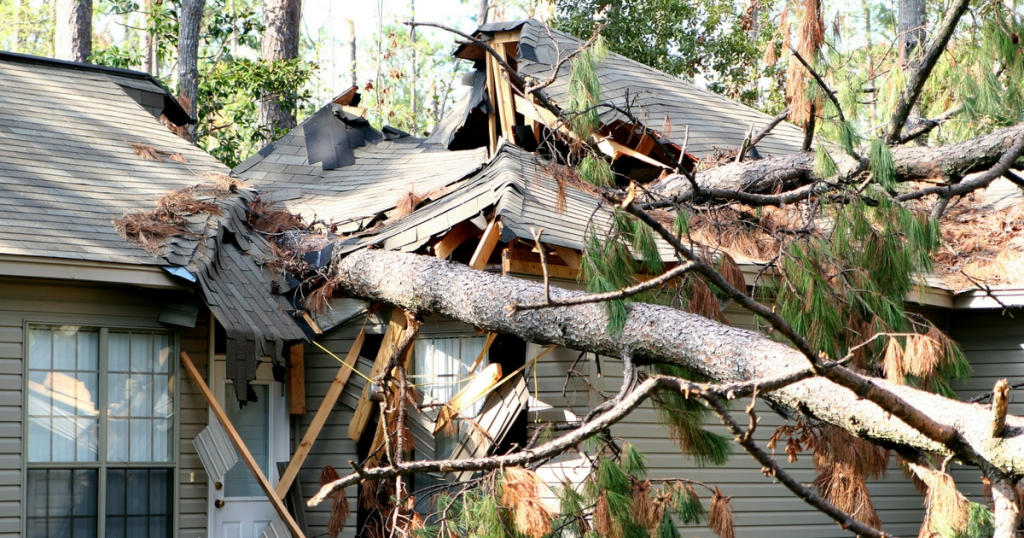
Typically, specialists conduct a site investigation prior to re-mounding debris. They inspect for ponding, damaged buildings, blocked drains, live electrical threats, fallen trees, and unstable ground.
This is a concern because a storm can alter the property. With water and soil movement slopes can weaken and water will find a path between yards or even around a foundation. The cleanup crew needs to be told if something appears to be a hazard before a piece of machinery runs into it.
Getting Rid of Standing Water Quickly
Water is one of the greatest concerns following a storm. It does not have to appear visually unstable to be problematic. Water in a shallow area adjacent to a foundation, under a deck, or near a low area of a yard can continue to be problematic well after the rain has subsided.
Professional crews have the proper pumps and drainage techniques and equipment to remove the water accumulated if whatever is possible. They also consider were that water should go. Only moving it from place to place is not cleaning up. It needs to drain in a safe quality without creating one more problem for the property.
Storm Debris Requires Careful Handling
Branches and leaves are the most visible debris, but there can be many other kinds of storm debris. Foliage, roofing materials, asbestos, furniture, insulation, fencing, bolts, dirt, rocks, etc, can be found on a property after a storm.
Workers sort and haul according to what they encounter. Large limbs might be cut before removing, and chunks might have to be lifted by machinery. This is where good storm cleanup equipment is really beneficial. Dragging all and sundry out by hand is very slow and can be hazardous at times.
When Excavation Becomes Part of Cleanup
Not all storms need excavated however some properties do. Flooding, erosion, collapsed drainage systems and redistribution of soil can cause parts of a yard to be damaged or compromised and in cases such as these the stormwater management cleanup could become grading, trenching, soil removal or rebuilding.
This is probably the point where it would start making sense to search for residential excavation contractors near me after a bad storm. Instead of dumping new dirt over the damage in the yard, an excellent excavation team can evaluate drainage and site conditions. Sometimes the yard needs to be reconstructed to make sure it doesn‘t become a problem again.
Fixing Drainage Problems Before They Grow
The storm cleanup should not always be discontinued when all visible water has gone. Water may have been held back for various reasons. It may be that the flow path has been blocked, the grade is unsuitable, the culvert has been damaged or a section has been washed out.
Remediation of those problems might mean bulldozing some dirt to level the ground, opening drain ways, or rerouting flow. It is the kind of work that is not glamorous. But it might prevent a homeowner from a repeat performance in the next storm.
Handling Mud, Soil, and Erosion
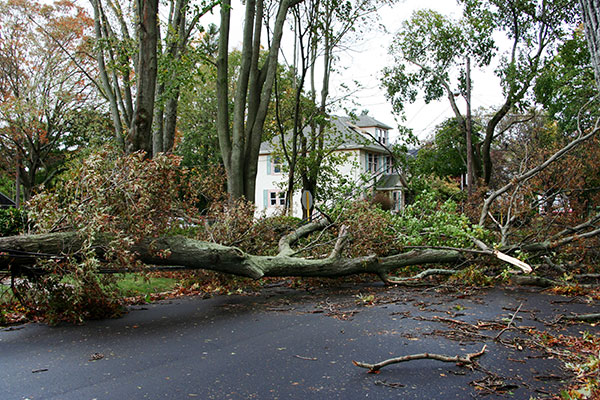
Intense storms may erode soil at a disturbing rate. Rain flooding might erode ruts through a paved way, expose to roots, undermine a walkway, or make channels on a sloped lawn. Mud can make equipment access and walking very slippery.
The professional crews evaluate the extent of the soil movement and evaluate the stability of the remaining ground. Various methods are used depending on extent of the damage. In some cases, loose material may be excavated, grades re-established, voids filled or other suitable site-work practices may be employed. The purpose is not simply to return the property to its former appearance but to make it functional.
Why DIY Storm Cleanup Can Backfire
No shame in cleaning up after the odd small branch storm. But when an entire storm has knocked down the larger trees, the damage becomes more serious. Some of the debris will be heavy and wet, the trees might roll or shift unexpectedly and there may be hidden dangers under areas of standing water.
Sometimes, the owners make drainage worse without even knowing it. Moving soil, dropping branches elsewhere, or pumping water in someone else‘s backyard can also cause a damage. The experts have the means and the skills to handle the dirt business painlessly.
What Professional Cleanup Should Leave Behind
A thorough storm cleanup job will have improved the safety, sanitation and general usability of the property. Debris should be removed, standing water addressed, drainage problems identified and corrected, and access roads restored to proper condition.
No doubt, it also means understanding when a job is more than simple spruce-up. While some storm damage is simply superficial, other storm damage changes foundations, drains, slopes, driveways or landscaping. Storm damage professionals are often able to see these when they aren‘t obvious to the homeowner.
FAQs
How soon should storm debris be removed?
As soon as it is safe to do so. Compressed debris, fallen trees, and collapsed buildings potentially become more hazardous with time, particularly if the next storm arrives sooner.
Can storm cleanup include excavation work?
Yes. If the bridge restoration involves erosion from flooding, drainage failures, soil movement, or manipulated grades, then excavation will be involved. Seeking residential excavation contractors near me can find the appropriate crews.
Should standing water always be pumped out?
Never without first considering where the water should be released to. Contractors evaluate a site then decide on a drainage or pumping solution and not, just dump it somewhere else.
What should homeowners do after severe storm damage?
Keep to light traffic areas and stay away from exposed electrical danger. Note down any easily noticeable damages. Be sure to get a professional storm damage cleanup service, if necessary.
Storm damage repairs are money enough without complicating the repairs and clean ups. Heavy debris, ponding, erosion, drainage problems caused by storms, can be taken care of early with the right crew preventing much repair work down the road, have your property ready. Visit Giles Outdoor Masters for a little assistance.


