

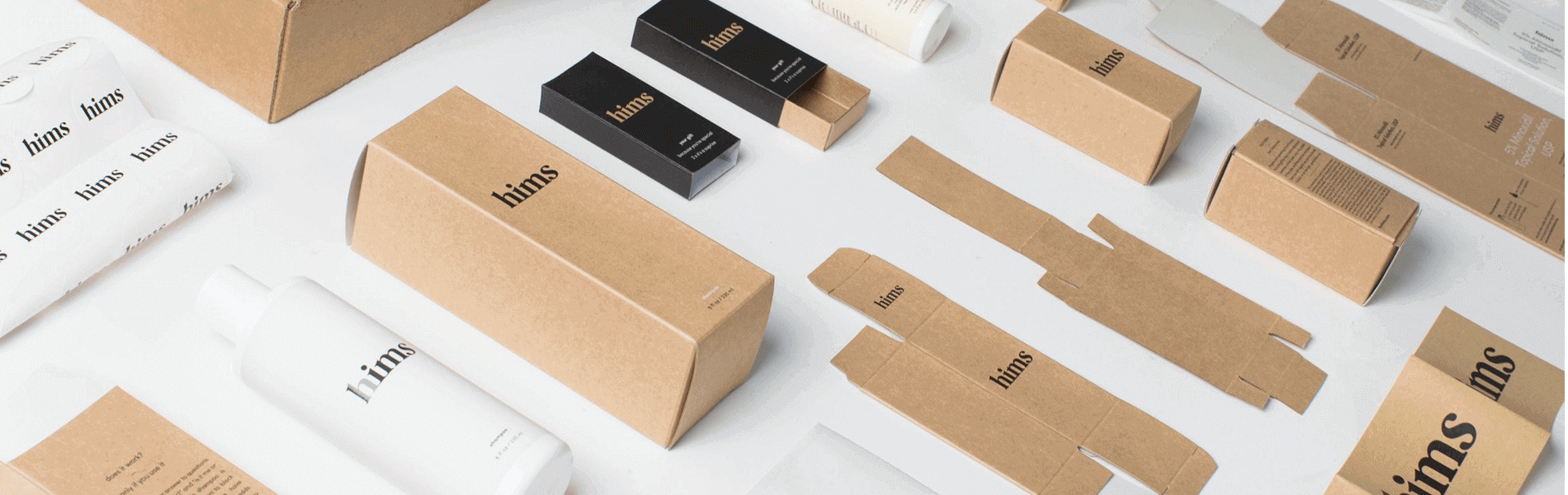
Developing packaging requires careful planning from the first concept through final production. Buyers must evaluate design, materials, manufacturing capabilities, quality requirements, and costs before choosing a packaging partner. A clear checklist can simplify the process and reduce unexpected issues during development. For businesses exploring custom IML packaging solutions, understanding each stage can help create packaging that meets both practical and branding goals.
Define Your Packaging Requirements
Begin by identifying exactly what the packaging needs to accomplish. Consider the product it will contain, required capacity, dimensions, weight, and expected storage conditions. If the package will hold food, chemicals, cosmetics, or other specialized products, material compatibility should receive particular attention.
Also identify functional requirements such as lids, closures, handles, dispensing systems, stacking features, or tamper resistance. Clear specifications give manufacturers the information they need to recommend suitable materials and production methods.
Identify Your Target Market
Packaging should reflect the expectations of its intended customers. Premium products may require sophisticated finishes and high-quality graphics, while industrial products may prioritize durability and functionality.
Consider where the package will appear and how customers will interact with it. Retail shelf presentation, transportation, storage, and ease of use can all influence the final design.
Choose the Right Packaging Material
Material selection affects durability, appearance, weight, recyclability, and manufacturing costs. Different plastics provide different levels of flexibility, strength, chemical resistance, and temperature tolerance.
Discuss your requirements with potential manufacturers before finalizing the material. An experienced supplier can explain how different materials perform during molding and how they may affect the finished package.
Review the Design Carefully
A strong packaging concept should combine visual appeal with manufacturability. Review dimensions, wall thickness, corners, openings, handles, ribs, and other structural elements before moving toward tooling.
For injection-molded packaging, design details can influence mold complexity, production speed, and material consumption. Simple improvements during the design stage can prevent expensive modifications later.
Check Labeling Requirements
If your project uses in-mold labeling, determine the required artwork, label dimensions, placement, colors, and finishing effects early. The label design must work with the container geometry and molding process.
With custom IML packaging solutions, artwork and packaging production can become closely integrated. This approach can support detailed graphics and consistent decoration across large production runs.
Evaluate the Manufacturer
Choosing the right manufacturing partner is one of the most important decisions in the buying process. Review the supplier’s experience with similar packaging products, production capabilities, quality systems, and technical resources.
Ask whether the manufacturer handles mold development, labeling, molding, quality inspection, and packaging assembly internally or through outside partners. A supplier with integrated capabilities may simplify project communication and coordination.
Request Prototypes and Samples
Never rely solely on drawings or digital renderings when making an important packaging decision. Request prototypes or samples whenever possible. Physical samples allow you to evaluate dimensions, appearance, strength, labeling quality, closure performance, and overall usability.
Testing also provides an opportunity to identify design problems before full-scale tooling and production begin. Early changes are generally easier and less expensive than modifications after production starts.
Confirm Quality Standards
Establish measurable quality requirements before placing a production order. These may include dimensional tolerances, color consistency, label placement, surface appearance, strength, and closure performance.
Ask manufacturers how they inspect products and maintain consistency between production batches. Clear acceptance criteria help both parties understand what qualifies as an acceptable finished product.
Understand Pricing and Lead Times
Packaging costs include more than the price of individual containers. Consider mold development, tooling, materials, labels, production, inspection, shipping, and storage when calculating the total project cost.
You should also request realistic lead times for design approval, prototyping, mold production, testing, and manufacturing. Understanding the complete timeline helps you coordinate product launches and inventory planning.
Plan for Future Demand
Consider how packaging requirements may change as sales increase. A design that works for an initial production run should ideally support future volume without major modifications.
Discuss potential production increases with your supplier. This conversation can help determine whether different mold configurations, automation, or production strategies could support long-term growth.
Finalize the Production Plan
Before approving production, review all specifications with your manufacturing partner. Confirm the final drawings, materials, artwork, quantities, quality standards, delivery schedule, and packaging requirements.
A detailed approval process reduces misunderstandings and gives the manufacturer a clear production target. Keep approved specifications and samples available for future reference and quality comparisons.
Make the Purchase With Confidence
Moving from a packaging concept to production requires attention to both technical and commercial details. Buyers should evaluate materials, design, labeling, prototypes, manufacturing capabilities, quality standards, costs, and future production needs.
A structured checklist makes the process easier to manage and helps identify potential problems before they become expensive. By carefully evaluating custom IML packaging solutions and choosing an experienced manufacturing partner, businesses can develop packaging that combines strong functionality, attractive presentation, consistent quality, and reliable production performance.


