

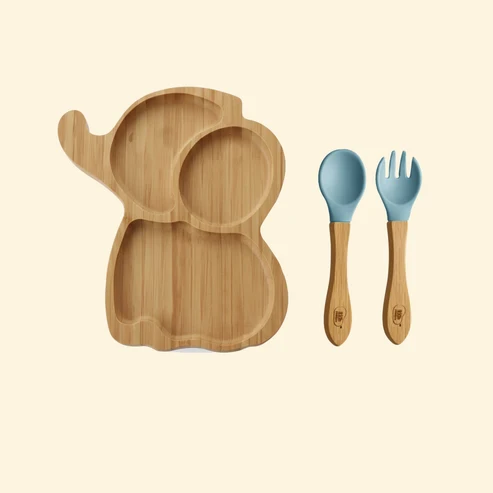
Introducing complementary foods is an important stage in a baby’s development. As babies become ready to explore new textures and flavours, parents often look for practical feeding products that can make mealtimes easier. A baby food feeder can be one such product, depending on the baby’s age, feeding stage and the type of food being introduced.
Baby food feeders come in different designs and materials, including silicone feeders, mesh feeders, food-grade feeding tools and fruit feeders. Choosing the right option requires more than simply selecting the most popular product. Parents should consider the baby’s developmental stage, material quality, cleaning requirements and safe usage.
What Is a Baby Food Feeder?
A baby food feeder is a feeding accessory designed to help babies explore food in a controlled and convenient way.
Depending on the design, a feeder may be used for:
- Soft fruits
- Cooked vegetables
- Mashed foods
- Age-appropriate snacks
- Teething foods
- Complementary feeding
Different feeders work differently, so parents should always follow the manufacturer’s recommended age and usage instructions.
A feeder should complement an appropriate feeding routine rather than replace balanced infant nutrition or normal meals.
When Can a Baby Use a Food Feeder?
The appropriate time depends on the baby’s developmental readiness and the specific product.
Many babies begin complementary feeding around six months, but readiness signs are more important than age alone. Parents should look for signs such as being able to sit with support, having good head and neck control and showing interest in food.
Before introducing a new feeding accessory, check its recommended age and consult your pediatrician if you are unsure whether your baby is ready for complementary foods.
Types of Baby Food Feeders
There are several types of baby feeding products available.
Silicone Food Feeder
A silicone food feeder is popular among parents because silicone can be soft, flexible and easy to clean.
Silicone feeders may be designed for soft foods, fruit or other age-appropriate foods depending on the product.
When choosing one, check whether the material is food-grade and follow the manufacturer’s cleaning instructions.
Fruit Feeder
A fruit feeder allows parents to offer appropriately prepared soft fruit in a controlled format.
Depending on the design, the feeder may reduce the need for a baby to hold larger pieces of food directly.
Parents should still supervise babies closely while they eat.
Baby Food Feeder with Handle
A feeder with a handle can allow babies to hold the feeding accessory themselves as they begin developing self-feeding skills.
A lightweight design may be easier for small hands to grip.
Silicone Feeding Spoon
Some parents use silicone spoons when transitioning from purees and mashed foods to independent feeding.
Soft silicone can be gentle on a baby’s gums, but the spoon should always be appropriate for the baby’s age and used under supervision.
How to Choose the Best Baby Food Feeder
There is no single feeder that is best for every baby. Consider the following factors before buying.
1. Material
Material is one of the first things parents should check.
Look for feeding products made from materials intended for food contact and follow the manufacturer’s safety and care instructions.
Silicone is commonly used in baby feeding products because it is flexible and easy to clean.
2. Age Suitability
Check the manufacturer’s recommended age before purchasing.
A feeder designed for an older baby may not be suitable for a younger infant.
3. Size and Shape
A feeder should be appropriately sized for the baby’s hands and mouth.
A lightweight, easy-to-hold design may help older babies practise independent feeding.
4. Ease of Cleaning
Baby feeding products need regular cleaning.
Choose a design that does not have unnecessary spaces where food can become trapped.
Check whether the product is dishwasher-safe or requires hand washing.
5. Grip and Handle
If the feeder is designed for self-feeding, consider whether the handle is easy for small hands to hold.
An ergonomic grip can make feeding more convenient for babies learning to feed themselves.
Baby Food Feeder for Self-Feeding
Self-feeding is an important developmental stage.
As babies become more interested in handling food, feeding accessories can sometimes make the transition more convenient.
A baby food feeder can help babies practise:
- Holding
- Bringing food toward the mouth
- Exploring textures
- Developing hand-eye coordination
- Becoming more independent during meals
However, feeding accessories should not be used to force a baby to eat. Babies develop at different rates, and parents should respond to their individual hunger and fullness cues.
Silicone Baby Food Feeder: Why Is It Popular?
Silicone is widely used in modern baby feeding products.
Some reasons parents choose silicone include:
- Flexible texture
- Soft feel
- Easy cleaning
- Lightweight construction
- Convenient everyday handling
- Resistance to many common feeding conditions
However, not every silicone product is identical. Parents should check the manufacturer’s material information and care instructions before purchasing.
Baby Food Feeder for Fruits
Fruit can be introduced as part of complementary feeding when a baby is developmentally ready.
A fruit feeder may be useful for offering appropriately prepared soft fruit.
Common options may include soft pieces of:
- Banana
- Ripe pear
- Melon
- Mango
- Soft cooked apple
The food should always be prepared in a way that is appropriate for the baby’s age and feeding stage.
Parents should also supervise babies closely during eating.
Baby Food Feeder Safety Tips
Safety should always come before convenience.
Always Supervise
Never leave a baby unattended while eating.
Check the Feeder Before Use
Inspect the product for cracks, tears, loose components or other signs of damage.
Prepare Food Appropriately
Use foods and textures suitable for your baby’s developmental stage.
Keep the Feeder Clean
Wash the feeder thoroughly after every use according to the manufacturer’s instructions.
Avoid Damaged Products
Replace the feeder if it becomes damaged or shows significant wear.
Follow Age Recommendations
Use the product only within its recommended age range.
Common Mistakes When Buying a Baby Food Feeder
Choosing Only Based on Price
The cheapest product is not necessarily the most practical option.
Ignoring Material Information
Always check what material the feeder is made from and whether it is intended for food contact.
Buying Without Checking the Age
Different feeders are designed for different developmental stages.
Choosing a Difficult-to-Clean Design
Food can collect in small spaces, making cleaning unnecessarily difficult.
Treating a Feeder as a Complete Feeding Solution
A food feeder is an accessory. It does not replace a balanced, developmentally appropriate feeding routine.
Baby Food Feeder vs Regular Feeding Spoon
Both products can have different roles.
| Feature | Baby Food Feeder | Feeding Spoon |
|---|---|---|
| Main purpose | Depends on feeder design | Feeding purees and soft foods |
| Self-feeding | Some designs support it | Some spoons are designed for self-feeding |
| Food type | Varies by product | Usually purees and soft foods |
| Grip | Often designed for holding | Varies |
| Cleaning | Depends on design | Generally simple |
Parents can choose one or both depending on the baby’s developmental stage and feeding routine.
Why Choose Kids Station for Baby Feeding Essentials?
Kids Station offers practical baby feeding products designed to support everyday mealtimes.
Parents exploring a baby food feeder can find different feeding solutions, including silicone food feeders and other baby feeding essentials.
The best product depends on the baby’s age, feeding stage, food texture and the parent’s daily routine.
Rather than choosing based only on appearance, consider material, size, cleaning, grip and age suitability.
Frequently Asked Questions
What is a baby food feeder used for?
A baby food feeder can be used to introduce age-appropriate foods in a convenient format, depending on the feeder design and the baby’s developmental stage.
What is the best baby food feeder?
The best baby food feeder depends on your baby’s age, feeding stage and the type of food you plan to offer. Material, size, ease of cleaning and safe design are important considerations.
Is a silicone food feeder good for babies?
Silicone is commonly used in baby feeding products because it is flexible and easy to clean. Always choose a product intended for baby feeding and follow the manufacturer’s instructions.
Can babies use a fruit feeder?
A fruit feeder may be suitable for babies who are developmentally ready for complementary foods, provided the product is age-appropriate and used with close supervision.
How do you clean a baby food feeder?
Clean the feeder after each use according to the manufacturer’s instructions. Pay particular attention to areas where food can become trapped.
Is a baby food feeder necessary?
A baby food feeder is not essential for every baby. It is a feeding accessory that some parents may find useful during the transition to complementary foods and self-feeding.
Final Thoughts
A baby food feeder can be a useful addition to a baby’s feeding routine when selected and used appropriately. The right product should match the baby’s age, developmental stage and feeding needs.
Before buying, consider material, size, grip, cleaning, age suitability and product design. Most importantly, always supervise your baby while eating and follow appropriate feeding and safety guidance.
For parents looking for practical baby feeding products, Kids Station offers feeding essentials designed to support everyday mealtimes and growing independence.


