


Most shop owners think of filtration as a maintenance line item, not an energy conversation. But here’s the thing nobody talks about enough — a poorly matched dust collector filter cartridge can quietly inflate your power bills month after month. Fan motors work harder, static pressure climbs, and suddenly you’re paying for inefficiency you never noticed. It’s a lot like how industrial coolant recycling systems either save you money through smart filtration or bleed it away through neglect. The parallel’s closer than people think.
The Hidden Cost of Poor Filtration Efficiency
A dust collector filter cartridge that’s undersized, wrong media type, or just past its usable life forces your system’s fan to work overtime pulling air through restricted pathways. That extra motor strain shows up directly on your energy bill, even if nobody’s tracking it that closely. It’s the same principle behind industrial coolant recycling systems — inefficient filtration means pumps work harder, energy consumption climbs, and the whole system operates below its intended efficiency curve. Filtration and energy cost are more connected than most people realize.
How Filter Cartridge Design Impacts Static Pressure
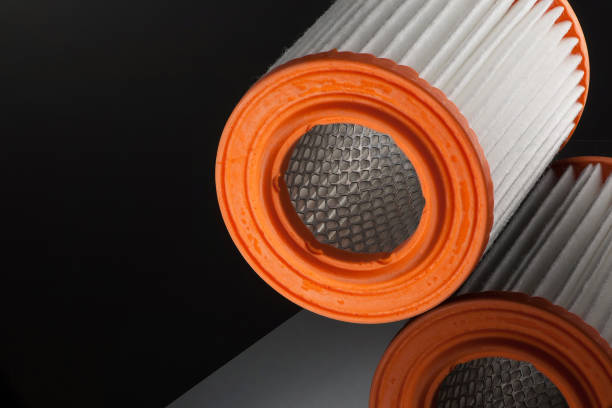
Static pressure is the silent energy killer in dust collection. When your filter cartridge has inadequate surface area or the wrong pleat density for your dust load, resistance builds up fast. Higher static pressure means the fan motor draws more current to maintain airflow, and that translates straight into higher kilowatt usage over time. A properly sized cartridge with adequate media surface area reduces that resistance naturally, letting your fan run at a more efficient operating point instead of constantly fighting restricted flow.
Signs Your Current Filter Cartridge Is Costing You Money
If you’re not sure whether your dust collector filter cartridge is dragging down efficiency, watch for these patterns:
- Rising energy bills without corresponding production increases
- Fan motor running hotter or louder than baseline
- Frequent pressure drop alarms triggering more than usual
- Cleaning cycles happening way more often than the rated schedule
Any one of these alone might mean nothing. But two or three together usually points to a filtration efficiency problem worth investigating.
Choosing Energy-Efficient Filter Cartridge Media
Not all filter media is built equal when it comes to energy performance. Nanofiber-coated cartridges, for example, tend to offer lower initial pressure drop and slower loading rates compared to standard media, which keeps fan energy draw more consistent over the filter’s service life. It’s worth comparing options rather than just reordering whatever’s been used for years out of habit. Sometimes the cheaper cartridge upfront costs more over its lifespan through elevated energy consumption. That math rarely gets checked, honestly.
The Coolant Recycling Connection Nobody Talks About
Here’s where things overlap more than people expect. Industrial coolant recycling systems and dust collection systems both rely on filtration efficiency to minimize pump or fan energy draw. In coolant recycling, clogged or poorly matched filtration forces pumps to work harder circulating oil, similar to how a bad dust collector filter cartridge forces fans to strain against resistance. Shops that treat both systems with the same filtration discipline — proper sizing, timely replacement, right media selection — tend to see measurable energy savings across the board, not just in one area.
Calculating Real Energy Savings From Better Filtration
Numbers help make this concrete. A fan motor operating against excessive static pressure from a clogged or undersized cartridge can draw noticeably more energy than one running at optimal pressure differential. Multiply that across a full production year, factor in your local energy rates, and the difference between a well-matched filter cartridge and a mediocre one can add up to real money. It’s not a dramatic overnight savings story, but compounded over months, it becomes something worth paying attention to.
Maintenance Habits That Preserve Energy Efficiency
Getting the right cartridge is step one, but keeping it performing efficiently is a whole separate discipline. Track pressure differential regularly instead of waiting for alarms. Clean or pulse cartridges according to actual loading conditions, not arbitrary timers. Replace cartridges before they hit end-of-life performance decline, not after airflow’s already noticeably weak. This mirrors the same maintenance logic that keeps industrial coolant recycling systems running efficiently too — proactive monitoring beats reactive fixing, every single time, no exceptions really.
When Upgrading Your Filter Cartridge Makes Financial Sense
Sometimes the math is obvious, sometimes it’s not. If your current dust collector filter cartridge is more than a few years old, or you’re seeing consistent energy creep alongside declining airflow performance, it’s probably time to reassess. A filtration specialist can actually run the numbers on payback period for upgrading to more efficient media. Often the energy savings alone justify the switch within a year or two, before even factoring in reduced maintenance costs and extended equipment life downstream.
The Bigger Picture: Filtration as an Energy Strategy
Shops that start viewing filtration as part of their energy strategy, not just a maintenance task, tend to make smarter equipment decisions overall. Whether it’s dust collection or industrial coolant recycling systems, the underlying principle stays consistent — efficient filtration reduces mechanical strain, which reduces energy consumption, which shows up on your utility bill eventually. It’s not the flashiest cost-saving measure a shop can pursue, but it’s one of the more overlooked ones, and honestly, it deserves more attention than it usually gets.
Final Thoughts
So can the right dust collector filter cartridge actually reduce energy costs? Yes, pretty clearly, once you factor in static pressure, fan motor strain, and the compounding effect of inefficient filtration over time. It’s not a massive single fix, but it adds up. Pair that mindset with how you manage industrial coolant recycling systems, and you start seeing filtration less as routine maintenance and more as an actual lever for operational efficiency. Worth the attention, even if it’s not the most exciting line item on your maintenance list.
FAQs
1. How much can a better dust collector filter cartridge actually save on energy?
It varies by system size and current inefficiency, but reduced static pressure from proper cartridge selection can noticeably lower fan motor energy draw over a full year of operation.
2. Does filter cartridge quality really affect energy consumption that much?
Yes, cartridges with better media and appropriate surface area create less resistance, meaning fans don’t have to work as hard, which directly impacts electricity usage over time.
3. How is this connected to industrial coolant recycling systems?
Both rely on filtration efficiency to reduce mechanical strain, pumps or fans work harder when filtration is poor, driving up energy costs in both dust collection and coolant recycling setups.
4. How often should I replace my dust collector filter cartridge for optimal efficiency?
It depends on dust load and operating hours, but tracking pressure differential trends is more reliable than following a fixed calendar schedule for replacement timing.


