

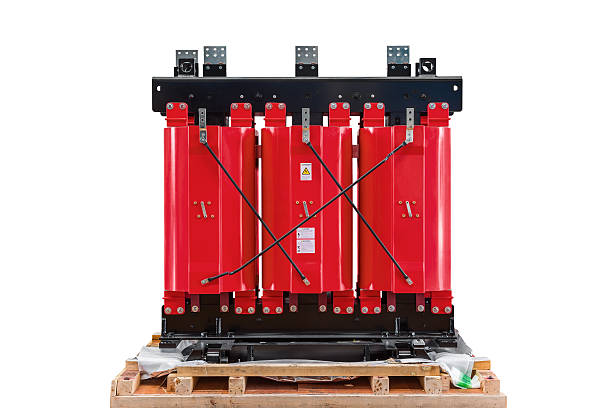
A transformer can look like one of those pieces of equipment you install and then forget about. That’s not really how it works. A cast resin transformer in Ireland businesses rely on still needs sensible, regular checks if you want it to keep performing properly for years. The good news is that maintenance is generally simpler than it is with oil-filled equipment. There’s no transformer oil to sample or filter, and there’s no tank full of liquid insulation to worry about. Still, dust, heat, moisture, loose connections, and poor ventilation can cause trouble. Ignore those small things long enough, and they stop being small.
Start With a Good Visual Inspection
The easiest maintenance job is also one people tend to rush through. Look at the transformer. Actually look at it. Check the cast resin insulation for cracks, chips, unusual marks, or signs of overheating. The coils should appear clean and intact, without obvious damage. You also want to inspect the terminals, cable connections, supports, and surrounding enclosure. Sometimes the first warning sign is something simple, like a darkened connection or a smell that wasn’t there before. It’s worth taking seriously. A visual inspection doesn’t require fancy equipment, but it can catch developing problems before they become an expensive outage.
Keep Dust and Dirt Under Control
Cast resin units don’t use oil, but that doesn’t mean they are maintenance-free. Dust is still a problem, particularly in factories, workshops, and areas where construction work is happening nearby. Layers of dust can settle around the windings and reduce heat dissipation. In a dirty environment, it can get worse pretty quickly. The transformer should be cleaned according to the manufacturer’s instructions, usually with suitable dry cleaning methods and equipment. Don’t start spraying liquids around electrical components because somebody said it worked on another machine. That’s asking for trouble. Cleaning frequency depends on the environment, so a clean commercial building may need much less attention than a dusty industrial site.
Check Cooling and Ventilation
Heat is one of the biggest enemies of transformer insulation. A cast resin transformer is designed to operate without liquid cooling, using air to remove heat from the windings. That means ventilation around the unit matters a lot. Make sure air passages aren’t blocked by stored materials, dust, or other equipment. Room ventilation should also be checked, especially during warmer months. If the transformer regularly runs hotter than expected, don’t just accept it as normal. Excessive temperature can shorten insulation life. Sometimes the transformer itself is fine, and the real problem is poor airflow around it. A bit of attention here can make a surprisingly big difference.
Inspect Electrical Connections From Time to Time
Electrical connections deserve proper attention. Loose terminals can create resistance, and resistance creates heat. That heat can damage connections and, eventually, other components around them. During scheduled maintenance, qualified personnel can check accessible connections and verify that they remain secure. Thermal imaging can also be useful when the transformer is operating, because it may reveal a hot connection that isn’t obvious during a visual inspection. This is especially useful in facilities where the transformer carries a heavy or changing load. The exact inspection and tightening procedures should follow the equipment manufacturer’s recommendations. Don’t guess the torque values. Electrical equipment isn’t the place for guesswork.
Look at Temperature, Load and Operating Conditions
Maintenance isn’t only about cleaning and tightening things. You also need to know how the transformer is actually operating. Record operating temperatures, load levels, and any unusual changes in performance where appropriate. If a unit that normally runs comfortably suddenly starts operating hotter, there may be a reason. Perhaps the load has increased, ventilation has changed, or a connection is developing a problem. Modern monitoring systems can make this easier, especially on larger installations. For facilities with demanding electrical loads, keeping basic operating records gives maintenance teams something useful to compare against. Without that history, it’s harder to tell what is normal and what isn’t.
Follow the Manufacturer’s Maintenance Recommendations
This is where working with an experienced transformer manufacturer in Ireland that customers can trust becomes useful. Every transformer has its own design details, materials, and operating requirements. General maintenance advice is helpful, but the manufacturer’s documentation should have the final say. It may specify cleaning methods, inspection intervals, acceptable temperature limits, testing procedures and other requirements. Keep those records somewhere the maintenance team can actually find them. Sounds obvious, but manuals have a funny habit of disappearing into cupboards. Regular inspections should also be documented. If something changes over time, those records can help technicians spot a pattern rather than treating each inspection as a one-off.
Don’t Forget Insulation and Condition Testing
There will be times when a visual check simply isn’t enough. Depending on the age, voltage level, and operating environment of the transformer, additional electrical tests may be recommended. These can include insulation resistance testing and other condition assessments carried out by competent electrical professionals. The purpose isn’t to test things for the sake of having a test report. It’s to understand whether the insulation system and electrical components are still in suitable condition. Testing should always be planned carefully and performed using procedures appropriate to the specific transformer. A poorly performed test can be worse than no test at all, so this isn’t really a DIY weekend job.
Make Maintenance Fit the Actual Environment
There isn’t one magic maintenance schedule that suits every cast resin unit. A transformer inside a clean, temperature-controlled electrical room has a very different life from one installed beside heavy machinery in a dusty production area. Environmental conditions, loading, age, and duty cycle all matter. Newer equipment may require relatively straightforward periodic inspections, while an older transformer might justify more detailed condition checks. If the transformer has experienced overheating, a fault, unusual noise, contamination, or a major load change, it should be assessed rather than simply waiting for the next scheduled service. Maintenance should respond to what the equipment is actually dealing with.
Conclusion: Simple Maintenance Still Matters
The short answer is, cast resin transformers are fairly low-maintenance, but “low-maintenance” doesn’t mean “no maintenance.” Keep the unit clean, make sure it can breathe, inspect connections, monitor temperature and load, and arrange appropriate electrical testing when needed. Follow the manufacturer’s guidance instead of relying on assumptions. Working with an experienced transformer manufacturer in Ireland businesses can trust can also help ensure the right maintenance approach is followed. That approach is pretty straightforward. And honestly, that’s the point. A few sensible checks carried out at the right time can help prevent overheating, insulation damage, and unexpected shutdowns. A cast resin transformer is built to be dependable. Give it reasonable care, and there’s no reason it shouldn’t keep doing its job quietly for a very long time.


