

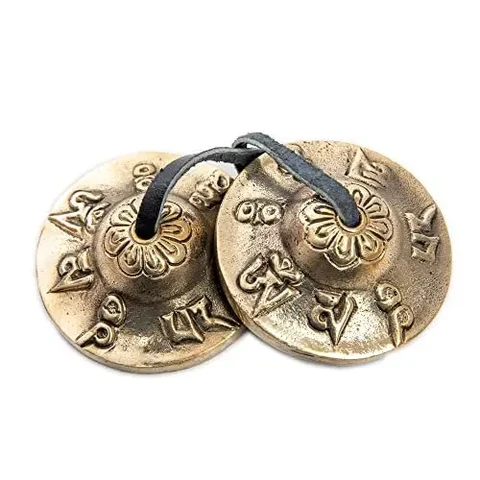
Two small metal cymbals meet, producing a clear, lingering chime that seems to soften the surrounding noise. Himalayan tingsha bells have carried this distinctive sound through traditional spiritual practices, meditation, and mindful rituals for generations. Their appeal lies not only in their tone but also in the craftsmanship and cultural heritage behind them.
For collectors, practitioners, and wellness enthusiasts who wish to order tingsh
a bells online, understanding their origins, materials, sound, and sourcing can make choosing a meaningful piece much easier.
Traditional Craftsmanship Shaping The Sound Of Tingsha Bells
Every pair reflects its craftsmanship through metalwork, balanced shape, decorative details, and distinctive resonance. Understanding these features helps buyers appreciate the bells’ traditional purpose beyond their appearance.
1. Discovering The Cultural Roots Of Tingsha Bells
Tingsha bells are traditionally associated with Tibetan Buddhist practices and Himalayan spiritual culture. They are used during meditation, prayer, and rituals to mark transitions or focus attention. Their clear sound can help practitioners return to the present moment. Understanding their cultural roots encourages respectful appreciation beyond viewing them as decorative accessories.
2. Understanding The Metals Behind Their Resonance
Tingsha bells produce different sounds depending on their metal composition, thickness, shape, and craftsmanship. Traditional metal alloys can create bright, sustained tones when struck together correctly. Variations between pairs influence pitch and resonance. Buyers should consider sound quality alongside appearance and ask sellers about materials and construction before purchasing.
3. Recognising Handcrafted Details And Designs
Traditional tingsha bells may feature engraved symbols, patterned borders, and decorative details inspired by Himalayan art. Designs range from simple to intricate, depending on the maker. Buyers should inspect the balance, finishing, connecting cord, and product photographs. These features help assess craftsmanship while recognising that handmade pieces may have minor variations.
4. Exploring Their Role In Meditation Practices
Tingsha bells can mark the beginning or end of meditation sessions, helping practitioners focus their attention. Some people use their sound between breathing exercises or during personal reflection. A single measured strike may provide a useful moment of awareness. Sound quality and comfortable handling should suit individual meditation routines.
Selecting Quality Tingsha Bells For Mindful Practice
Choosing a suitable pair involves more than appearance. Buyers should consider sound quality, construction, intended use, and seller transparency to find bells that suit their preferences and daily practice.
1. Listening For Clear And Balanced Sound
A well-matched pair should produce a clear tone when struck appropriately. Buyers can listen to available recordings to assess pitch, clarity, and resonance duration. Preferences vary, with some people favouring brighter chimes and others softer tones. Demonstrations provide useful guidance, although recordings may not fully reproduce the actual sound.
2. Checking Size, Weight, And Handling
Tingsha bells come in different sizes for different uses. Smaller pairs are convenient for travel and personal meditation, while larger ones may feel more substantial during group sessions. Weight affects portability and handling. Check product dimensions and photographs before purchasing to ensure the bells suit your routine and storage needs.
3. Comparing Finishing And Construction Quality
Careful finishing supports both appearance and everyday usability. Check whether the edges look even, surfaces appear smooth, and connecting cords seem secure. Engravings should be reasonably clear, although handmade pieces may vary slightly. Accurate measurements, detailed photographs, and transparent descriptions provide more useful guidance than unsupported claims about premium quality or tradition.
4. Understanding The Importance Of Authenticity
Tingsha bells described as Himalayan or Tibetan-inspired may differ in origin, manufacturing methods, and cultural significance. Look for sellers who explain where products come from and how they are made. If provenance is uncertain, avoid unsupported claims about age or traditional composition. Transparent information supports informed choices and respectful appreciation of Himalayan craftsmanship.
Responsible Sourcing Connecting Craftsmanship With Heritage
Ethical purchasing involves looking beyond the finished object to consider how it is represented, produced, and sold. Buyers can support more responsible trade by seeking clear information about sourcing, craftsmanship, and seller practices.
The search for a trustworthy retailer for tingsha bells should begin with transparency. Look for sellers who describe their products accurately, explain known details about their materials and origins, and avoid unsupported claims about spiritual benefits or historical significance. Responsible sourcing also means recognising the difference between verified information and marketing language. When details about artisans or production methods are available, they can help buyers understand the work behind the product. Asking questions and comparing descriptions encourages more informed purchasing decisions while supporting respectful appreciation of Himalayan cultural traditions.
Caring For Tingsha Bells To Preserve Their Sound
After purchase, tingsha bells benefit from careful handling and proper storage. Simple maintenance helps preserve their appearance and supports reliable use over time.
- Store them safely: Keep the pair in a soft pouch or padded container to reduce scratches and accidental impacts.
- Handle them gently: Strike the cymbals together with controlled movement rather than using excessive force.
- Keep them dry: Avoid prolonged exposure to moisture, which may affect some metals or surface finishes.
- Clean them carefully: Use a soft, dry cloth first and follow any care instructions supplied by the maker or seller.
- Protect decorative details: Avoid abrasive cleaners that could damage engravings, coatings, or polished surfaces.
- Check the cord regularly: Inspect the connecting strap for wear so the bells remain easy to handle and secure during use.
Consistent care helps maintain the instrument’s condition without requiring complicated maintenance. If the bells have a particular finish or coating, follow the seller’s recommendations instead of applying metal polish automatically.
Conclusion: Preserving Sound Through Ethical Himalayan Traditions
Himalayan tingsha bells bring together distinctive sound, traditional craftsmanship, and a meaningful place in meditation and spiritual practice. Choosing a pair thoughtfully involves assessing resonance, construction, product information, and the seller’s transparency. Proper care can also help preserve the instrument for continued personal use, collection, or gifting.
For those seeking ethically sourced Himalayan traditions, Himalayan Bazaar offers a destination for exploring traditional Himalayan products and sound instruments. Their collection allows customers to discover items connected to regional craftsmanship and cultural heritage. By reviewing product details carefully and choosing responsibly, buyers can appreciate the sound of tingsha bells while approaching the traditions behind them with greater awareness and respect.


