

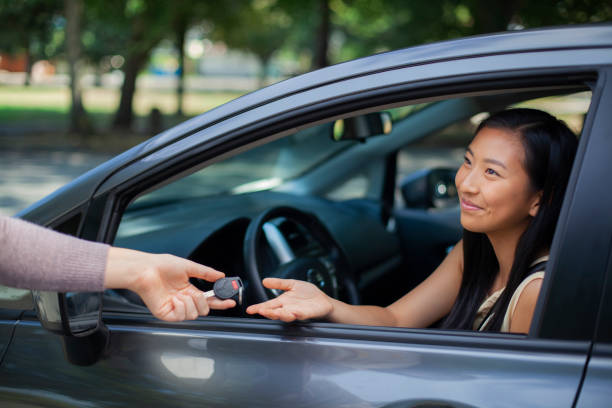
Car donation programs for nonprofits been around forever but most folks still don’t really get how they work. You see those ads, the roadside signs, the late night commercials. Somebody’s got an old car sitting in the driveway that barely moves, or maybe it doesn’t move at all. They figure it’s just junk. Truth is that vehicle can turn into cash for a good cause if you go through the right vehicle donation program. Let’s be real though, not every program is the same. Some run smooth. Some feel like a total hassle. This post just walks through what actually happens when you donate a car to charity and why nonprofits lean on these programs so hard.
The Basic Idea Behind Car Donation Programs for Nonprofits
Most nonprofits don’t have fleets of tow trucks or big auction crews just hanging around. Running a vehicle donation program takes time, space, and a pile of paperwork. That’s why many organizations rely on car donation programs for nonprofits that handle the process from start to finish. You call, they arrange the pickup, sell the car, and the charity gets a cut. Sounds simple on paper. In real life, it depends on the condition of the car and how organized the program is. Some accept almost anything, whether it’s running, not running, titled, or not. Others get picky. The short answer is that the better programs make donating easy for the donor while helping nonprofits generate decent funds.
Why Nonprofits Rely on Vehicle Donation Programs
Cash donations are nice but they come and go. A steady stream of donated cars gives nonprofits another funding lane that doesn’t lean on the same people every year. Let’s be honest, fundraising is hard work. Special events cost money to put on. Grant writing takes forever and then some. Selling a donated vehicle can put actual dollars in the bank without the charity having to invent some new campaign. Some nonprofits use the money for programs, others just for keeping the lights on. Either way it helps. I’ve talked to people who run these things and they say vehicle donations sometimes cover gaps that regular giving just misses.
How the Donation Process Usually Works
You decide the car’s done. Maybe the transmission is shot or the body’s all rusted out. You look up a vehicle donation program that works with charities you actually care about. You fill out a short form or just call. They ask for the year, make, model, and what kind of shape it’s in. Then they schedule a free pickup most of the time. You hand over the keys and the title if you still have it. After that the program handles the rest—towing, selling, all the paperwork. You get a receipt for taxes. That’s the usual flow. Some places will even take cars that need a tow truck just to get them off the property. Not every program is that flexible though so check first.
Tax Benefits When You Donate a Car to Charity
This part matters to a lot of people. If you itemize you can claim a deduction. The amount depends on how the charity uses the car. If they sell it you generally deduct what they actually get from the sale. If they keep it and use it for their own work you might get fair market value. The IRS has rules and the program should give you the right kind of receipt. Don’t go expecting the full Blue Book number if the car is a total junker. The receipt will show what really happened. Talk to your tax person if the numbers get big. Most donors just want the process clean and the paperwork correct.
What Makes a Strong Vehicle Donation Program
Not every outfit that says “donate your car” is set up the same way. The good ones partner with real nonprofits and send a clear percentage of the proceeds. They pick up for free in most areas. They handle titles and DMV stuff without making you chase papers all over town. They give you a solid receipt for taxes. Some programs are national and work with hundreds of charities. Others stick closer to local groups. Look for transparency. If a site won’t tell you how much actually goes to the nonprofit that’s a red flag right there. Best place to donate a car is usually one that makes the process simple and shows some results.

Common Myths About Donating Cars to Charity
People think the car has to be perfect. Nope. Plenty of programs take non-running vehicles. Others believe the charity keeps the car and drives it around forever. Sometimes that happens but most of the time the car just gets sold. Another myth is that you get a huge tax write-off no matter what. The deduction is tied to what the charity actually receives in a lot of cases. And some folks figure the whole process is complicated and full of endless forms. Truth is the better vehicle donation programs keep it short. You fill out one form, schedule the pickup, and you’re pretty much done. The rest is on them.
How Nonprofits Actually Use the Money from Car Donations
It varies a lot. Some put the funds straight into client services, food, shelter, counseling, medical help, that kind of thing. Others cover transportation costs for their own programs or just keep the lights on. A few nonprofits will use a donated vehicle in their daily work if the car is solid enough. Most of the time the money is more useful than the car itself. Running a nonprofit is expensive. Insurance, staff, rent, supplies. Vehicle donation income fills holes that other fundraising sometimes leaves open. When you donate a car to charity through a solid program you’re usually funding real work, not just overhead.
Choosing Between Local and National Programs
Local charities sometimes run their own donation efforts. That can feel good because the money stays close to home. National vehicle donation programs often have better logistics—more tow trucks, more auction channels, faster turnaround. They partner with local nonprofits so the money still reaches the community. Neither one is automatically better. If you have a favorite local group just ask them how they handle car donations. Some will point you to a partner program. Others take the car themselves. The best place to donate a car is the one that matches what you care about and makes the handoff easy.
Practical Tips Before You Hand Over the Keys
Clean the car out. Leave the personal stuff, the old registration papers, the random tools in the trunk. Get the title if you can find it. If the title is lost some programs can still help but it slows everything down. Note any major issues so the pickup team knows what they’re dealing with. Take a couple photos if you want a record. And decide which charity you want to support. Some programs let you name the nonprofit. Others have a fixed list. A little prep on your end makes the whole vehicle donation program run smoother for everybody involved.
Why Timing Matters When You Donate
Cars sitting unused still cost money—insurance, registration, storage, the occasional ticket if it ends up on the street. Donating sooner rather than later stops those costs and gets the money to the nonprofit faster. End of the year is popular because of taxes but programs run all year. Summer and fall sometimes see more volume. Weather can mess with pickup schedules in some areas. If the car is taking up space you need or if it’s becoming a liability there’s not much reason to wait around. A working vehicle donation program can usually schedule within a week or two.
The Real Impact of Consistent Car Donation Support
One donated car helps. A steady flow of them builds something bigger. Nonprofits that receive regular vehicle donation income can plan better. They can hire staff, expand services, or get through the slow fundraising months. Donors who treat car donation programs for nonprofits as a normal option—like writing a check or dropping off clothes, add up over time. The individual gift might feel small if the car is old and beat up. The collective effect is not small at all. Over the years these programs move real resources into communities that need them. That’s the part that doesn’t show up in the ads very often.
Turn your unwanted vehicle into a meaningful contribution with Cars Helping Charities. Visit our website to learn more about the car donation process, choose a charity to support, and get started with your vehicle donation today.
Name: Cars Helping Charities
Address: 4833 Front St, Unit B #307, Castle Rock, CO 80104
Phone: (866) 701-2277
Frequently Asked Questions
What kinds of vehicles can I donate through car donation programs for nonprofits?
Most programs take cars, trucks, vans, SUVs, and sometimes motorcycles or boats. Running or not, the important part is that the title is clear or the program can handle the paperwork.
Is free pickup available with every vehicle donation program?
The better ones offer free towing in most service areas. Always confirm when you call or fill out the form so there are no surprises on pickup day.
How do I find the best place to donate a car?
Look for programs that partner with established nonprofits, provide clear tax receipts, and show how the proceeds get shared. Transparency and an easy process matter more than flashy promises.
Can I donate a car to charity if it has no title?
Some vehicle donation programs can still accept it, especially if you have other proof of ownership. It may take extra steps so ask upfront before scheduling the pickup.
What tax deduction can I expect when I donate a car?
If the charity sells the vehicle the deduction is usually the amount they receive. Keep the receipt they send you. Rules can vary so check with a tax professional for your situation.


