


My buddy bought his first shotgun with magazine feeding about two years ago, and he called me from the parking lot of the gun shop, all excited. Three weeks later he was calling again, annoyed, because it jammed every other mag. Turns out he never tested his ammo and picked up the cheapest spare mags on the shelf. Classic. So this is the stuff I wish somebody told him before he swiped the card.

So What Exactly Is A Shotgun With Magazine?
Simple version. Instead of stuffing shells into a tube under the barrel one by one, you’ve got a box mag that drops in and out. Press the release, old mag falls, new one goes in, done. Takes a second or two.
Most of them are semi-auto. A few are pumps. Capacity depends on the model, usually five to ten shells, sometimes more if you go with a drum. Your state might cap that number though, so check before you order anything.
If all you’ve ever shot is a tube fed gun, that first fast reload feels kind of wrong. Then it feels great.
Why Folks Switch To A Mag Fed Shotgun
Speed, mostly. Loading a tube eats time and your thumbs get sore after a while, especially in cold weather. A box mag shotgun skips all that.
There’s the comfort thing too. If you already run rifles with detachable mags, the motion is the same. Your hands just know it. That counts for a lot when you’re rushing or nervous.
And yeah, it’s fun. Competition shooters love them because stages reward fast reloads. Me, I just like the way it sounds going downrange. Don’t judge.
Where The Ar Platform Shotgun Fits
People mix this up constantly. An ar platform shotgun is one kind of mag fed shotgun, built to feel like an AR-15 or AR-10. Pistol grip, charging handle, safety, mag release, all roughly where you’d expect them. But plenty of box mag shotguns look nothing like an AR. Some are bullpups, some look like a regular semi-auto with a mag stuck underneath.
Don’t assume rifle parts will swap over. They won’t. Bolts, receivers and magazines are made for shells, not rifle rounds. Slings, lights and a lot of optics usually do carry over, but read the product page. Then read it again.
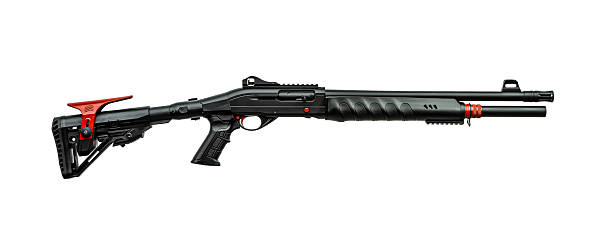
Gauge, Barrel Length, And Chokes
Twelve gauge is what most people buy since ammo is everywhere and you can get any load you want. Birdshot, buckshot, slugs. Twenty gauge exists too, and if recoil bothers you or you’re buying for a smaller shooter, it’s worth a look.
Shorter barrels move quick and feel handy, but they’re louder and the pattern opens up faster. Longer barrels feel steadier. That’s about it.
Chokes are a bit of a rabbit hole. Some guns have fixed ones, some take threaded tubes. If you like messing around and testing patterns, go threaded. If you don’t care, fixed is fine.
Ammo Testing Nobody Wants To Do
Okay, this one’s boring but it matters. A lot of these guns are fussy. Light target loads sometimes don’t push the action hard enough to cycle, and then you’re standing there clearing a stovepipe wondering what you did wrong.
Buy a few different brands. Shoot a box or two of each. Write down what ran smooth and what choked. Takes one afternoon and saves you months of grief.
Same goes for mags. Number them with a paint pen. If number three keeps acting up, you’ll know exactly which one to throw out.
Recoil And Weight
Twelve gauge kicks. I don’t care what the ad says. A gas system and a good pad take the edge off, but after fifty shells your shoulder will tell you about it.
Heavier guns soak up more of the punch but they get tiring to carry around. Lighter ones feel nice in the safe and not so nice on the range. It’s a trade, always.
Also, stance. Most new shooters hold the gun too loose and then blame the gun. Lean in a little, pull it tight to your shoulder, stop fighting it.
Accessories Worth Buying
Don’t go crazy. A sling is the easy first one. A weapon light makes sense if the gun is for home use. A red dot works great on a shotgun since you can keep both eyes open and move fast.
Extra mags come next, good ones. After that you’re in nice to have territory. Grips, rail covers, stock pads, all optional. Just remember every add on makes the front heavier, and a front heavy shotgun gets old quick.
Safety Stuff You Can’t Skip
Ear protection. Not optional. Shotguns are loud, short ones are worse, and ringing ears are no joke. Electronic muffs let you hear range commands while cutting the blast, so they’re worth the extra cash.
Eyes too. Hulls bounce, debris flies. Wear real shooting glasses.
And learn how to clear a jam before you actually need to. Practice slow first. Speed shows up later on its own. Keep the gun locked up when it’s not in use, especially if kids are around.
Mistakes I Keep Seeing
Buying a pile of gear before even shooting the gun. That’s the big one. Next is cheap magazines, which cause more trouble than anything. Skipping ammo testing is another. And ignoring local laws, which can really come back to bite you.
Rules on capacity, barrel length and features change from state to state. I’m not a lawyer, so check with a dealer or someone who actually knows the law where you live.
Where To Buy
Go with sellers that have real reviews, real photos and a fair return policy. Vague listing? Skip it. Price way too low? Be suspicious.
Local shops are good because you can hold the thing and ask questions. Online has bigger selection. Use both if you can. And pay attention to how the seller answers you. Good ones will be straight with you even if it costs them the sale.
Conclusion
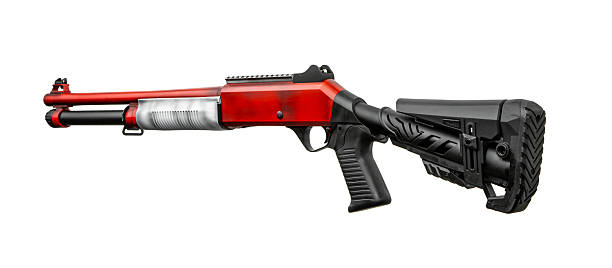
A shotgun with magazine feeding is a pretty great option if you want fast reloads and a modern feel. It’s not perfect, and not every model is good, so don’t buy on looks alone. Do the homework first. Red Cliffs Tactical, Inc. recommends prioritizing reliability, checking equipment compatibility, and choosing quality gear over time. A sling, light, and dependable optic can cover many basic needs, while other accessories can wait until there is a clear reason to add them.
If you like the AR layout, an ar platform shotgun deserves a serious look. The controls feel familiar, reloads are quick, and range days get a lot more entertaining. Take your time and buy smart. Do that and your shotgun with magazine will keep you grinning for a long, long while.
Frequently Asked Questions
What Is A Shotgun With Magazine Feeding?
It’s a shotgun that takes a detachable box magazine instead of loading shells into a tube. Reloads are faster, and it feels familiar if you shoot AR style rifles.
Is An AR Platform Shotgun The Same As A Mag Fed Shotgun?
Not quite. An ar platform shotgun is one type of mag fed shotgun made to handle like an AR rifle. Other models use bullpup or more traditional layouts.
Are Magazine Fed Shotguns Reliable?
They can be, but a lot of them are picky about ammo and mags. Test a few loads, buy quality magazines and keep the gun clean. Most problems come from those three things.
What Gauge Should I Pick For A Shotgun With Magazine?
Twelve gauge is the usual choice because ammo is easy to find. Twenty gauge kicks less and works well for smaller shooters or anyone sensitive to recoil.
Are Magazine Fed Shotguns Legal Everywhere?
No. Laws change by state and sometimes by city. Capacity, barrel length and feature rules all differ, so check local laws and ask a dealer or attorney if you’re not sure.


