

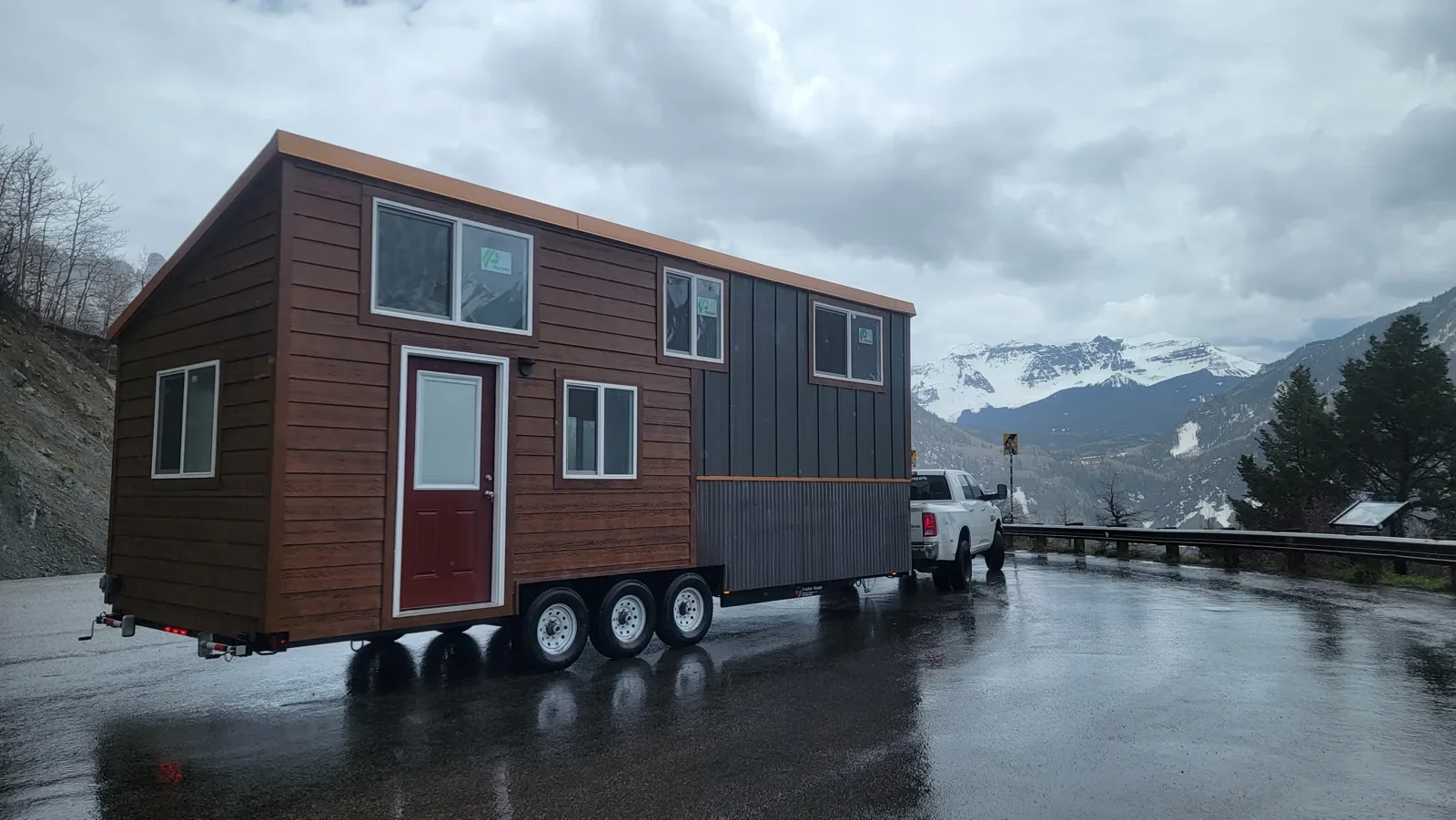
You see a tiny place online, clean setup, minimal life, no clutter. Looks peaceful. And for a minute you think, yeah this could work. Then you start checking what it actually takes. That’s when tiny house regulations come into the picture and things slow down a bit. Not in a dramatic way, just… constant friction. Every step needs approval. Every decision depends on local rules. You can’t just build and move in. Doesn’t work like that. Even if you already picked a Tiny home kit and planned everything out, the legal side doesn’t really care how ready you are.

Zoning is confusing, and honestly, a bit inconsistent
So first thing people run into is zoning. Sounds simple but it’s not. One area might allow small dwellings, another might reject them without a clear reason. And sometimes the rules exist but no one explains them properly. Tiny house regulations vary so much that you end up double-checking everything. You ask one official, get one answer. Ask someone else, slightly different answer. That’s where people start feeling stuck. A Tiny home kit doesn’t fix zoning, it just sits there waiting until you figure things out. And that part takes longer than most expect.
Building codes weren’t really designed for small living
Here’s another thing. Building codes are built around traditional houses. Big ones. So when you try to fit those same rules into a smaller structure, it gets awkward. Ceiling height rules, stair requirements, window sizes, it all still applies. Tiny house regulations don’t always adjust for scale. So you end up tweaking your design not because you want to, but because you have to. Some Tiny home kit options try to work within these limits, which helps a bit. But again, local codes can override everything. So nothing is guaranteed.
Utilities can slow things down more than construction
Funny thing is, sometimes building the structure is the easy part. Getting water, electricity, and sewage sorted, that’s where delays happen. Tiny house regulations often require proper connections, even if your usage is small. And if you’re thinking off-grid, well, not every place allows that either. You might need approvals you didn’t expect. A Tiny home kit might be ready to install, but without utility clearance, you’re not moving in anytime soon. That gap between “built” and “livable” catches people off guard.
Money side isn’t as simple as people think
A lot of people assume tiny homes are automatically cheaper, and yeah, in some ways they are. But financing can get tricky. Banks don’t always treat them like normal homes. Insurance companies hesitate too. Mostly because tiny house regulations are not consistent everywhere. That uncertainty makes lenders cautious. Even if you’re using a Tiny home kit, which is usually more structured, it doesn’t fully solve the financing issue. Some people just avoid loans altogether and go self-funded. Less paperwork, fewer headaches.
Mobility sounds flexible, but brings its own issues
Tiny homes on wheels sound like an easy workaround. No land issues, no strict housing classification. But that’s not completely true. Now you’re dealing with parking laws, vehicle registration, where you’re allowed to stay long-term. Tiny house regulations don’t always clearly define these cases. So you’re in this grey zone. Technically allowed in some places, restricted in others. A Tiny home kit built for mobility helps structurally, sure. But legally, it’s still something you need to figure out step by step.

Things are improving, just not as fast as people hope
To be fair, things are changing. Slowly though. Some cities are updating their rules. Allowing smaller homes, or at least making space for them in certain zones. Tiny house regulations are starting to catch up with demand. But it’s uneven. One city moves forward, another stays the same. So depending on where you are, your experience can be completely different. A Tiny home kit fits into this shift nicely, but the system around it is still adjusting.
Planning early saves you from a lot of stress later
If there’s one practical thing here, it’s this, don’t rush into building. Take time to understand the rules first. Check zoning, talk to local offices, ask questions even if they sound basic. Tiny house regulations are easier to deal with when you know what you’re getting into. A Tiny home kit can simplify construction, but it won’t fix legal issues. That part is on you. And skipping it usually leads to delays or extra costs later. Seen it happen a lot.
Why people still go ahead with it anyway
Even with all this, people still build tiny homes. That says something. The idea of simpler living, lower expenses, more control, it’s strong. Tiny house regulations might slow things down, but they don’t stop the interest. A Tiny home kit makes it more accessible for people who don’t want to build everything from scratch. It’s not perfect, the process has its rough edges, but for many, it’s still worth it in the end.
Conclusion
Tiny homes sound simple, but the process around them isn’t always. Tiny house regulations bring in layers of rules that can feel confusing at first. Add zoning, permits, utilities, and things get complicated pretty quickly. Still, with some patience and proper planning, it becomes manageable. A Tiny home kit can help on the construction side, making things faster and more structured. But understanding the legal side is just as important. Get both right, and the whole experience feels a lot less stressful, and a lot more doable.


