

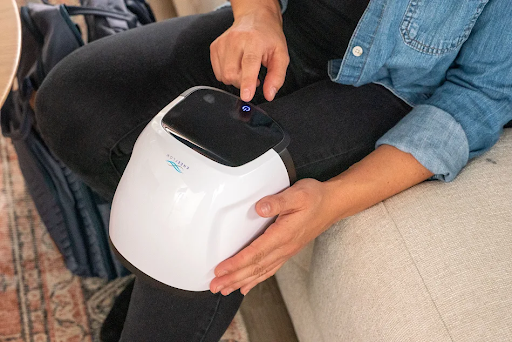
Knee pain can make even the simplest tasks feel like hard work. Walking up the stairs, standing for too long, or getting up after sitting on the sofa can become uncomfortable. It doesn’t always happen because of an injury either. Sometimes it’s age, sometimes it’s too much activity, and sometimes your knees just start giving you trouble after a long day. Finding the right knee pain relief equipment can help manage that discomfort at home, without making your daily routine more complicated than it needs to be.
Heat Therapy: A Simple Way to Ease Stiffness
There’s a reason people reach for a warm towel or heating pad when their joints feel stiff. Heat can help relax the muscles around the knee and make movement feel a bit easier, especially first thing in the morning or after sitting at a desk for hours.
These days, there are plenty of options available. You can get basic heating pads, reusable heat packs, or electric knee wraps that stay in place while you relax. Some have adjustable temperature settings, which is useful if you don’t want too much heat.
But here’s something worth remembering. Heat isn’t always the right choice. If your knee is swollen, hot, or recently injured, adding more heat may not help. Cold packs are often a better option for fresh injuries and swelling. Always follow the instructions, protect your skin, and don’t leave a heating device running while you sleep.
Knee Massagers: Are They Worth Trying?
Heating pads aren’t the only option. Knee massagers have also become popular with people who want a little relief after work, exercise, or a long day on their feet.
Depending on the model, these devices may offer vibration, gentle compression, heat, or a combination of features. Some wrap around the knee, while others are larger and designed for use while sitting down.
When buying knee pain relief equipment, don’t get distracted by fancy features straight away. Think about how you’ll actually use it. Is it comfortable? Can you adjust the intensity? Is it easy to put on without help? These things matter more than a long list of functions you’ll probably never touch.
Massage may help relax the muscles around the knee and provide temporary comfort. It won’t fix every joint problem, though. Avoid applying strong pressure to an injured or swollen knee, and stop if the device makes the pain worse.
How to Choose the Best Knee Massager 2026
Searching for the best knee massager 2026 can get confusing pretty quickly. There are plenty of models, and many seem to promise the same things.
Start with the basics. A good fit is important, especially if the massager has adjustable straps. Check the heat settings, battery life, charging time, and how easy it is to clean. If you want to use it while travelling or at work, a lightweight model may make more sense than a bulky one.
Price matters too, of course. But don’t assume the most expensive product is automatically the best. Read customer reviews carefully, check the warranty, and make sure the seller provides proper instructions. Be wary of products claiming to cure arthritis or permanently eliminate knee pain. No gadget should be making promises like that without solid evidence.
Making Knee Care Part of Your Day
You don’t need a complicated routine to look after your knees. A little gentle movement, suitable footwear, and enough rest can all help. If a healthcare professional has recommended specific exercises, stick with those as well.
The right knee pain relief equipment can fit into this routine quite easily. Use heat when it’s appropriate, try a gentle massage if it feels comfortable, and pay attention to how your knee responds. Don’t push through pain just because a device is supposed to help.
If your knee keeps hurting, becomes significantly swollen, locks up, or makes walking difficult, get it checked rather than relying on home remedies alone.
Conclusion: Finding What Works for You
Knee care doesn’t have to be expensive or complicated. For some people, a basic heating pad does the job. Others may prefer a wearable massager with adjustable settings. It comes down to what feels comfortable and suits your needs.
If you’re looking for the best knee massager in 2026, take your time and compare the features that actually matter. The right knee pain relief equipment may help you feel more comfortable during everyday activities, but it isn’t a replacement for proper medical care. Keep your expectations realistic, use the device safely, and don’t ignore pain that keeps coming back. Sometimes, the simple approach is the one worth sticking with.
Frequently Asked Questions
1. What is the best equipment for knee pain at home?
It depends on what’s causing the pain. Heating pads may help with stiffness, while cold packs can be useful for swelling after a recent injury. Knee massagers may provide temporary comfort for some people.
2. Is heat good for knee pain?
Heat can help when the knee feels stiff, particularly after sitting for a long time. However, avoid heat on a newly injured, swollen, or hot knee unless a healthcare professional advises otherwise.
3. Do knee massagers actually work?
They may help relax surrounding muscles and provide temporary relief. Results vary from person to person, and a massager won’t treat every cause of knee pain.
4. What should I check before buying a knee massager?
Look at comfort, fit, adjustable settings, safety features, battery life, and warranty. Choose a model that’s easy to use and suits your daily routine.
5. Can I use a knee massager every day?
That depends on the device and your condition. Follow the manufacturer’s instructions, begin with short sessions, and stop if discomfort increases. If you have a knee injury or an existing joint condition, check with a healthcare professional first.


