

Walk around any farm shop or contractor yard and you’ll spot it. That one machine in the corner, covered in dust, that only comes out when there’s fence to build. It cost money. It takes up real space. And most of the year it just sits.
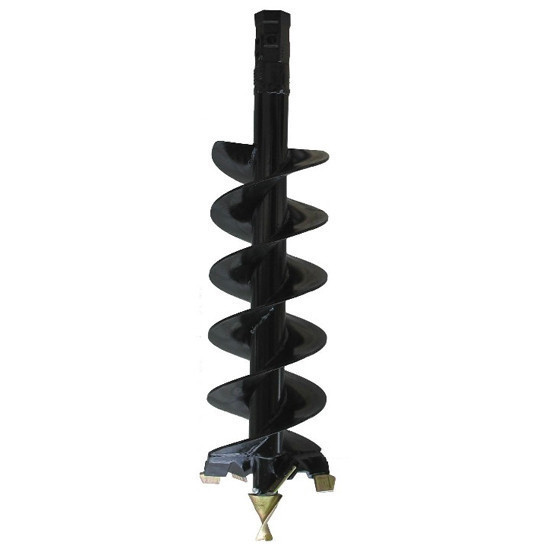
That’s the thing that’s got people rethinking it. A post hole auger for excavator setups does the same drilling job off a machine you’re already paying for, already insuring, already hauling around. No extra trailer, no extra registration, no second set of hydraulics to maintain. You swap the bucket, pin it on, and you’re boring holes in a few minutes. Not a hard sell once you actually see it work.
What a Dedicated Rig Really Costs You
The sticker price is the easy part. It’s everything around it that bites. Storage, maintenance, a hitch or trailer to move it, and the downtime when something goes wrong and you’ve got no backup. Plus it’s a one-trick machine. Fence season ends, and it’s just parked capital.
Contractors feel this on commercial jobs too. You’re bidding tight, and carrying a rig that earns money maybe a few weeks a year makes your numbers look worse than the guy who just bolts an auger on his excavator. Doesn’t sound like much until you add it up across a few seasons.
Why the Excavator Version Just Works Better
Reach is the big one. An excavator arm lets you set the auger exactly where you want it, on a slope, along a ditch, tight against a building, without repositioning the whole machine over and over. Tracked machines sit steady on rough ground, which matters when you’re drilling vertical holes and don’t want them wandering.
And there’s the power side. Excavator hydraulics are built to push, so the auger has real torque behind it. Rocky soil, clay, root-tangled ground along an old fence line, it handles stuff that makes a lighter dedicated unit stall out and kick back. Not every time, nothing is perfect, but more often than people expect.
Who’s Making the Switch
Honestly it’s a mixed crowd. Farmers and ag operators setting fence posts or rebuilding old lines. Contractors doing deck footings, signs, guardrail, and light poles. Landscapers putting in pergolas and privacy fencing. Municipal crews handling signposts and park projects, where budgets are tight and buying one machine that does five things beats buying five machines. Plus plain old equipment owners with acreage who just want to stop renting.
What they all share is a machine already on site. The auger just gets added to the list of what it can do.
Where the Old Rig Still Wins
Fair is fair. If you’re setting hundreds of posts a week, every week, a dedicated unit built for speed can still make sense. Production fencing crews running all day know their numbers, and some of them stick with purpose-built gear for good reason. Same if you’ve got no excavator at all and don’t plan to buy one.
But that’s a smaller slice of the market than it used to be. For most people, drilling is one job among many, not the whole business.
Sizing It Right So You Don’t Waste Money
This is where folks get burned. Match the auger drive to your machine’s hydraulic flow and pressure, otherwise you’re either starving it or cooking your hoses. Check the bit diameter against what you actually drill, 12 inch, 18 inch, whatever your posts and footings call for. And don’t ignore torque ratings, because a drive that’s too small for your soil will stall, and you’ll blame the machine when it was the sizing.
A good mini excavator attachment should bolt up clean to your quick coupler without a bunch of fabrication. If you’re modifying it to fit, that’s a red flag. Spartan Equipment builds their augers to handle regular work, not just weekend jobs, so the gearbox and auger flighting don’t give up after one tough season.
Does the Math Hold Up?
Mostly, yeah. Take what a dedicated rig costs to buy, store and maintain, then compare it to an attachment that lives on a machine you already own. The gap gets wide quickly, especially if drilling isn’t your daily bread and butter.
There’s also the flexibility factor. The same excavator that drills holes in the morning can trench, dig and load material in the afternoon. A rig that only drills can’t do that, and idle equipment is the quietest way to lose money in this business.
Wrapping It Up
Nobody’s saying dedicated post hole rigs are dead. They’re just harder to justify when a post hole auger for excavator use does most of the same work with a lot less overhead. If drilling is part of your work but not all of it, putting the money into a solid mini excavator attachment usually makes more sense than another machine to store and service.
If you’ve been on the fence, Spartan Equipment is running 25% OFF SITEWIDE with code DIESEL25 this October. Good time to check what fits your machine before winter shows up.


