

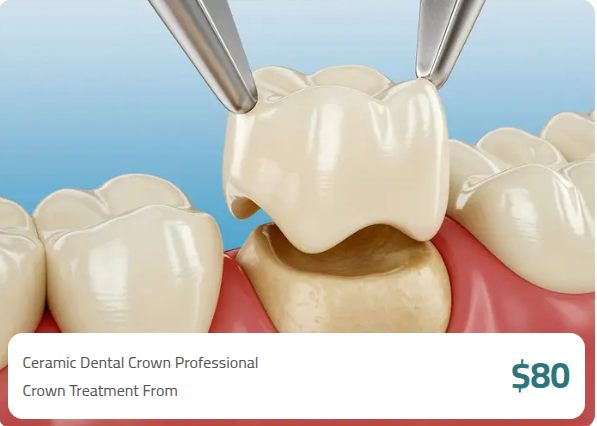
A damaged or weakened tooth does not always need to be removed. In many situations, a dental crown can protect the remaining tooth structure, restore its function, and improve its appearance. If you are experiencing tooth damage or discomfort, understanding when a crown may be appropriate can help you make an informed decision. For people looking for dental crowns Damascus, knowing the warning signs can be the first step toward getting professional dental advice.
A dental crown is a custom-made covering placed over a tooth to restore its shape, strength, and function. Your dentist will first examine the tooth and determine whether a crown is the most suitable treatment.
1. Your Tooth Is Cracked or Broken
One of the most common reasons for needing a dental crown is a cracked or broken tooth. Teeth can become damaged because of an injury, biting hard foods, teeth grinding, or extensive decay. A crack may weaken the tooth and make it more vulnerable to further damage.
Depending on the location and severity of the crack, a crown can help cover and protect the remaining tooth structure. If you notice a visible crack, a broken portion of a tooth, or discomfort when chewing, it is important to have the tooth evaluated promptly. Patients searching for dental crowns should consult a qualified dentist before deciding on treatment.
2. You Have Extensive Tooth Decay
Small cavities can often be treated with fillings. However, when decay has affected a large portion of the tooth, a filling may not provide enough structural support. In these cases, a dental crown may be recommended to strengthen and protect the weakened tooth.
Your dentist will remove the damaged tooth structure and assess what remains before deciding whether a crown is appropriate. Seeking treatment early can help prevent decay from progressing further and may improve the chances of preserving the natural tooth.
3. Your Tooth Has Become Weak After a Root Canal
Root canal treatment removes infected or damaged tissue from inside a tooth, allowing the natural tooth to be preserved. However, a tooth that has undergone root canal treatment can sometimes become more vulnerable to fracture because of the amount of tooth structure already lost.
A crown may provide additional protection and help the treated tooth withstand normal biting forces. If you have recently had a root canal, your dentist can explain whether a dental crown is recommended for your particular tooth.
4. You Experience Pain When Biting or Chewing
Pain when biting can have several causes, including decay, cracks, infection, or problems with an existing restoration. While pain alone does not automatically mean that you need a crown, it can be an important warning sign that your tooth requires examination.
A dentist can identify the underlying cause through an oral examination and, when necessary, dental X-rays. If the tooth is significantly weakened or cracked, a crown may be considered as part of the treatment plan.
5. Your Existing Filling Is Very Large or Damaged
Large fillings can restore teeth, but they may not always provide the long-term structural support needed when much of the natural tooth has been lost. An old filling can also become worn, loose, or damaged over time.
If your dentist determines that there is not enough strong tooth structure to support another filling, replacing it with a crown may be a better option. This is one reason regular dental examinations are valuable, even when a tooth is not currently causing pain.
6. Your Tooth Is Severely Worn or Misshapen
Teeth can become worn because of grinding, clenching, acidic foods and drinks, or other factors. Severe wear may affect both the appearance and function of your teeth. A crown can sometimes restore the shape and strength of an extensively worn tooth.
However, the cause of tooth wear should also be addressed. If grinding is responsible, for example, your dentist may recommend additional measures to protect your teeth from continued damage.
7. You Want to Restore a Severely Discolored or Damaged Tooth
Dental crowns are not only used for structural problems. In certain situations, they can also improve the appearance of a severely discolored, misshapen, or damaged tooth when other cosmetic treatments are not suitable.
The right treatment depends on the condition of the tooth. Your dentist may recommend alternatives such as professional whitening, veneers, or other restorative procedures. A dental crown should generally be considered when it provides both a functional and aesthetic benefit.
How Are Dental Crowns Placed?
The dental crown process usually begins with a thorough examination of the tooth. The dentist evaluates its condition and determines whether a crown is appropriate. The tooth is then prepared so the crown can fit securely over it. Depending on the treatment approach, impressions or digital scans may be taken to create a restoration that fits the tooth and surrounding bite.
Once the crown is ready, it is carefully placed and checked for fit, comfort, and function. Your dentist will also provide instructions for caring for the restored tooth.
How to Care for Your Dental Crown
A crowned tooth still needs regular care. Brush twice a day with fluoride toothpaste, clean between your teeth daily, and attend routine dental examinations. Although a crown covers the tooth, the area around it can still develop plaque and gum problems if oral hygiene is neglected.
Avoid using your teeth to open packages or bite extremely hard objects. If you grind or clench your teeth, discuss this with your dentist because additional protection may be helpful.
Why Choose Glam & Smile for Dental Crowns in Damascus?
Choosing the right dental clinic is an important part of restorative treatment. At Glam & Smile, patients in Damascus can receive professional dental evaluation based on their individual oral health needs. Rather than recommending a crown automatically, the goal is to understand the condition of the tooth and determine the most appropriate treatment.
If you are considering dental crowns, Glam & Smile can help you understand your treatment options and what to expect from the procedure. Professional evaluation can help you make a confident decision about protecting and restoring your natural teeth.
Frequently Asked Questions
Are dental crowns painful?
The procedure is normally performed with local anesthesia to keep the patient comfortable. Some sensitivity or mild discomfort may occur after treatment, but your dentist can provide appropriate advice for managing it.
How long can a dental crown last?
The lifespan of a crown depends on factors such as oral hygiene, biting forces, the material used, and regular dental care. Good maintenance can help extend its useful life.
Can a crown replace a missing tooth?
A crown by itself generally covers and restores an existing tooth. If a tooth is completely missing, options such as a dental implant with a crown or a dental bridge may be considered.
Do all damaged teeth need crowns?
No. Treatment depends on the amount of damage and the overall condition of the tooth. Some teeth may be restored with fillings or other treatments, while severely weakened teeth may benefit from a crown.
Conclusion
A cracked tooth, extensive decay, a large filling, severe wear, or a tooth weakened after root canal treatment can all be reasons to consider a dental crown. However, these signs do not necessarily mean that a crown is the only solution. A professional examination is the best way to determine the appropriate treatment.
For patients looking for dental crowns Damascus, Glam & Smile provides dental care focused on restoring tooth health, function, and appearance. If you are concerned about a damaged or weakened tooth, professional evaluation can help you understand your options and take the right step toward a healthier smile.


