


Why Optics Matter More Than Most Shooters Admit
A lot of folks talk gear like it’s a personality trait, but when you strip all that away, optics for guns really come down to one thing: seeing clearly enough to put rounds where they need to go. Simple. But shooters still overcomplicate it. I’ve watched guys at the range fiddle with $1,200 glass like they’re tuning a space telescope. Meanwhile a dude with a beat-up, mid-tier red dot is stacking shots like he’s got a cheat code.
Point is, you don’t always need fancy. You need honest. You need something that works when your hands are cold, sweaty, shaky, or just done for the day. Optics should help you, not turn shooting into a science project. That’s why I always tell people—start with clarity and durability. Everything else is just noise.
The Real Reason You Need Reliable Glass
Most shooters think optics are for “accuracy.” Yeah—but not just for crisp groups. A good optic buys you information. It buys you speed. The ability to see what’s happening past the muzzle before the moment slips. When light is low. When backgrounds get messy. When adrenaline blurs everything that should be sharp.
I’ve seen guys miss at ten yards because they were tunnel-visioned and thought their iron sights would “just work.” Irons are great until they’re not. Optics bridge the gap between skill and chaos. And chaos doesn’t care what brand you bought last month.
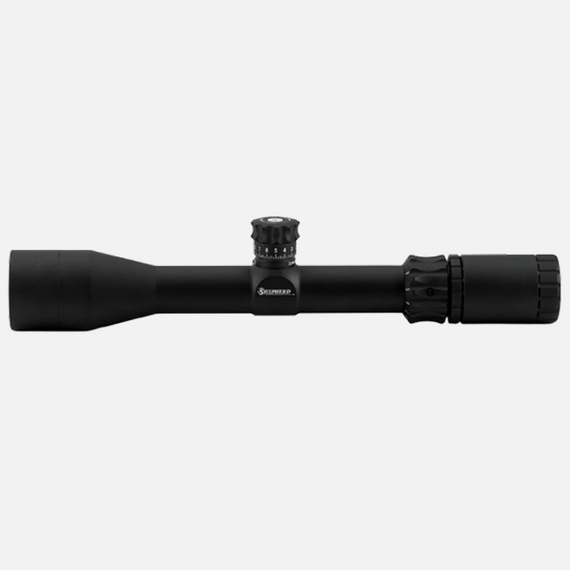
Red Dots Aren’t Magic, But They’re Close
A red dot sight doesn’t promise perfection, but it sure makes the path easier. Especially under pressure. No lining up front sights, rear sights, all that textbook stuff. Just dot… target… send it. There’s a reason law enforcement switched. And competitive shooters. And half the shooters who swore they never would.
Of course, red dots need discipline. If you slap a dot on your pistol and expect miracles, you’ll be disappointed. You’ve gotta train that draw stroke until the dot appears without a hunt. Takes a bit. Worth it though.
Magnified Optics: Not Just for Long Range Daydreamers
People hear “magnified optic” and picture 800-yard shots on steel. Nice thought. Not always reality. Low-power variable optics (LPVOs) changed the whole game. Now you’ve got 1x for close stuff, dial up for distance, all on the same rig. Versatile as hell.
But there’s a catch: LPVOs require more from you as a shooter. Eye relief, proper cheek weld, all that. You can’t be sloppy. But if you’re willing to practice, they turn an ordinary rifle into a do-it-all machine.
Building a Rifle Setup That Doesn’t Fight You
I’ve worked with shooters who build rifles backwards. They start with flashy accessories, then try to figure out what problem they were trying to solve. Wrong approach. Build around your needs, not your wishlist. Start with a purpose: hunting? home defense? training? range fun? tactical cosplay? (hey, no judgment.)
Once purpose is locked in, optic choice becomes clearer. A home-defense rifle doesn’t need a 4-16x scope. A hunting rifle probably shouldn’t wear a massive window-style red dot. Match the tool to the job, and the rifle becomes friendly instead of stubborn.
Magazine Capacity: Why More Isn’t Always Better
Okay. Let’s talk magazines. Everybody chases capacity like it’s bragging rights. But higher capacity isn’t automatically smarter. More rounds means weight, bulk, and sometimes reliability issues if you buy junk.
But when you pick the right mags—especially for a Glock—they can genuinely improve how you train, shoot, carry, and reload. I’ve run both stock and extended, and each has a job. The trick is figuring out which job you actually need filled.
Breaking Down the Extended Mag Decision
Extended mags look cool. Let’s just admit that. But cool doesn’t matter if they nose-dive rounds or fail to lock the slide. A proper extended magazine should feed clean, seat easy, and run even when dirty. If it doesn’t, it’s just a range toy—fun but not trustworthy.
For many folks, the main benefit is training. More rounds = fewer reload interruptions. Makes drills smoother. Saves time. Helps beginners stay in the flow instead of fumbling reloads every 2 minutes.
Why the Glock 19 Handles Extended Mags Better Than Most
The Glock 19 is basically the Honda Civic of handguns—runs forever, parts everywhere, and upgrades for days. That’s why adding an extended magazine makes more sense on a Glock 19 than on half the compact pistols out there. The platform tolerates change well. The grip angle, the magazine well, the spring tension—it all just works.
Even in rough conditions, the 19 tends to keep feeding. This matters when you stick 21 or 30 rounds under it. You want the gun to still behave even though the mag is oversized. Glock usually pulls it off.
When an Extended Mag Helps and When It Hurts
If you’re carrying daily, an extended mag might be a bad idea. They print under clothes. They snag. They bulk up a gun that was designed to disappear. But if you’re home carrying, or you’re running a belt at the range, or you’re competing—extended mags shine.
Also, for anyone working on cadence, recoil rhythm, or grip endurance, extra capacity keeps you in the moment. You get longer strings. More feedback. More chances to fix small errors without resetting everything.
Pairing Optics and Mags Into One Functional System
Most shooters think optics and magazines are separate topics. They’re not. A good optic speeds up target acquisition. A higher-capacity mag keeps you shooting longer. Together, those things boost your training efficiency more than almost any other upgrades.
Picture this: dot comes up fast, sight picture clean, no reload interruptions killing your momentum. That’s real improvement. That’s how shooters climb skill levels without feeling overwhelmed.
The Gear Doesn’t Make You… But It Helps You Get There
I’m not one of those “gear doesn’t matter at all” guys. That’s half a lie people use to sound humble. Gear matters—but only when chosen deliberately. You need tools that support your goals, not distract from them. A good optic helps you see. A good magazine keeps you shooting. Together, they make the path smoother.
Just don’t let gear become the goal. Skill beats gear. But smart gear sure makes the grind easier. And that’s the part most shooters eventually figure out, either sooner or through wasted money later.
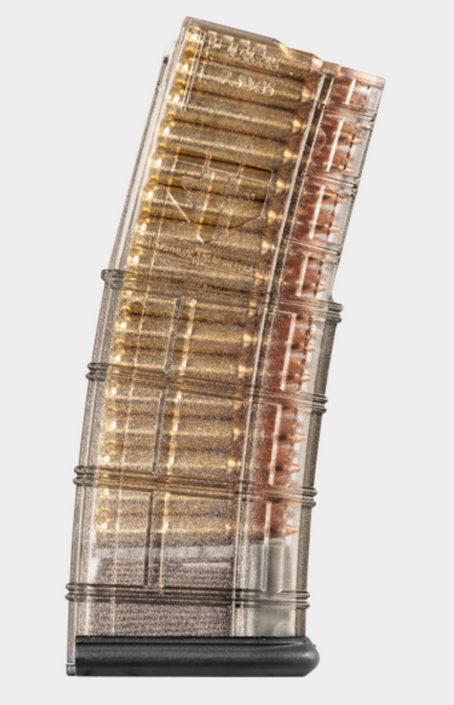
Why I Trust the Glock 19 With Extended Capacity
At the end of the day, the Glock 19 remains the most forgiving pistol for real-world shooters who want more capacity without sacrificing reliability. And when you mix that reliability with a solid optic on your rifle platform, you get a setup that handles training days, defensive scenarios, and stress shooting without falling apart.
That’s why I keep coming back to the idea that both optics and magazine choices should work toward one honest purpose: making you a better shooter, not just a more accessorized one. And that brings us back to where we started—clear vision, reliable capacity, steady improvement, and gear that earns its place. The extended mag for glock 19 fits right into that philosophy when chosen wisely and used with intent.
FAQs
Q: Are optics worth it for beginners, or should I start with irons?
Optics shorten the learning curve. Irons are valuable, sure, but a red dot helps you build confidence and consistency faster.
Q: What’s the downside of running extended mags on a Glock 19?
Concealment gets tougher. Weight goes up. Cheap mags can fail. But good ones run reliably.
Q: Will an extended mag change how my Glock handles?
Yes, slightly. The extra weight changes balance. Nothing dramatic, but you’ll feel it after long sessions.
Q: Should I train with the same optic I plan to use for defense?
Absolutely. Your brain builds habits around whatever you practice with.
Q: How many rounds should an extended Glock 19 mag hold?
Most common options are 17, 21, 24, and 30+. Pick based on your purpose—carry, training, or competition.


