

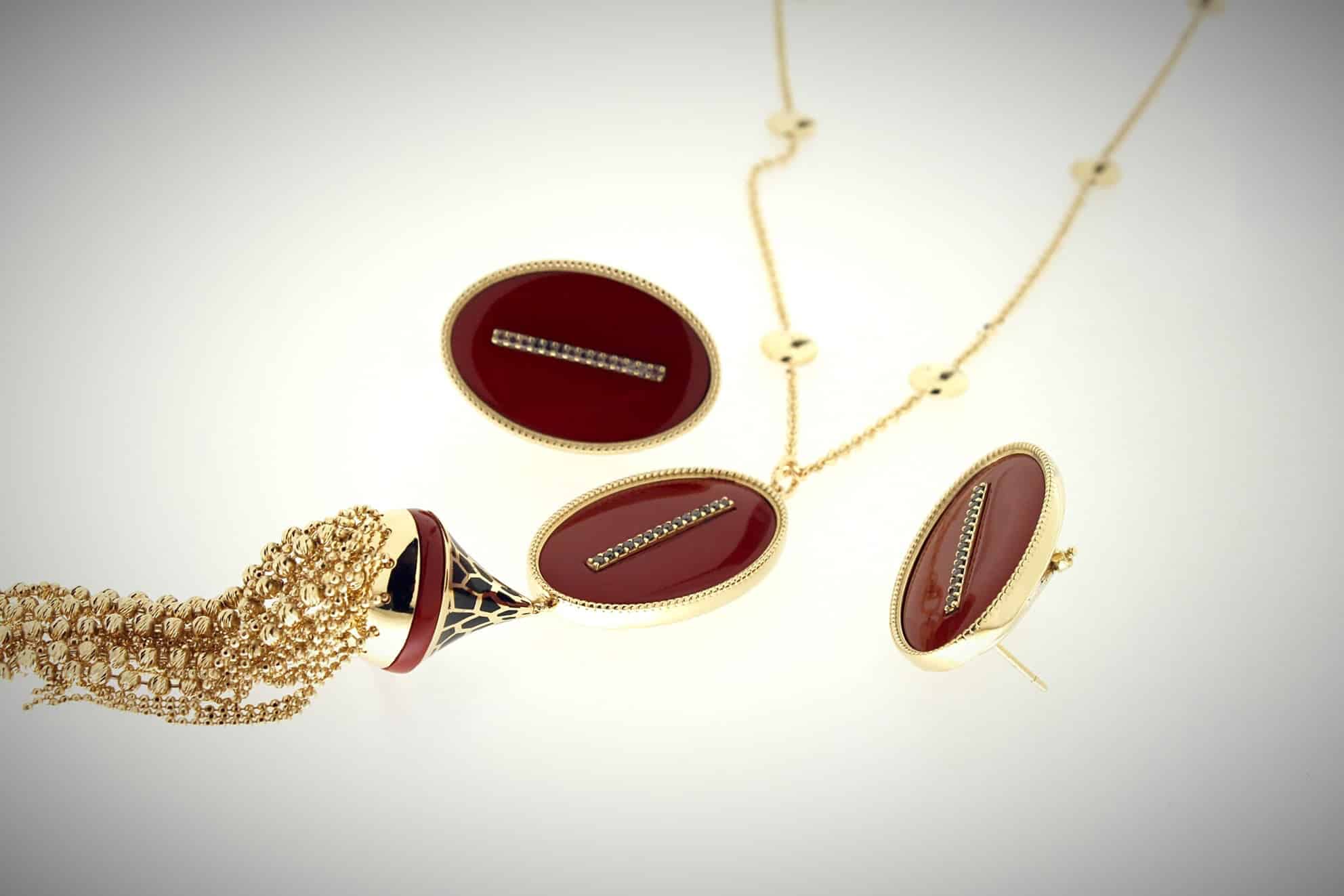
Gold continues to attract attention among jewellery buyers, traders, and people interested in preserving the value of their money. In Nigeria, the price of gold is influenced by international bullion markets, the naira exchange rate, local demand, purity, weight, and the additional costs involved in selling finished jewellery.
Among the different purity levels available, 18K gold is particularly relevant for jewellery because it contains 75% pure gold and 25% other metals. Understanding the current movement of the 18 k gold price in Nigeria can help buyers make better comparisons when looking at rings, chains, bracelets, earrings, and other gold products.
For customers exploring gold products with Goldy, knowing how the market works is useful when comparing prices, purity, weight, and overall product value.
Understanding 18K Gold
18K gold contains approximately 75% pure gold. The remaining 25% consists of other metals that are added to provide greater strength and influence the appearance and characteristics of the finished jewellery.
This makes 18K gold different from 24K gold, which is approximately 99.9% pure, and 22K gold, which contains approximately 91.7% gold.
Because 18K gold contains three-quarters pure gold, its underlying metal value can be estimated by applying a 75% purity factor to the value of pure gold.
For buyers comparing the Gold 18 carat price in Nigeria, understanding this purity calculation is an important first step.
Current 18K Gold Price in Nigeria
Current market references on September 22, 2026 place the indicative 18K gold value in Nigeria at approximately ₦137,600–₦138,500 per gram, depending on the specific market reference and update time. One current reference lists ₦137,608.16 per gram, while another lists approximately ₦138,494.99 per gram. These figures represent calculated metal values rather than guaranteed retail jewellery prices.
The difference between published reference figures can occur because gold markets and currency conversion rates change throughout the day.
Retail jewellery prices can also be higher because they may include craftsmanship, dealer margins, taxes, manufacturing, design, and other costs.
Recent Trends in 18K Gold Pricing
Recent data shows that 18K gold in Nigeria has experienced noticeable short-term movement.
A current 18K reference reports a price of approximately ₦138,409.17 per gram on September 22, 2026, with a daily decline of about 1.28%. The same source reports a weekly increase of approximately 0.94%, while its 30-day figure shows a decline of around 7.68%. Over one year, the reference price was approximately 2.57% higher.
Another current market reference shows 18K gold at approximately ₦137,806.57 per gram, with a 7-day change of +0.39%, a 30-day change of -7.72%, and a one-year change of +2.52%.
These figures illustrate an important point: gold prices can move differently over short, medium, and longer periods.
Why 18K Gold Prices Change
The 18 k gold price in Nigeria is influenced by several interconnected factors.
The international price of gold is one of the main drivers. Gold is globally traded in US dollars, so changes in the international benchmark can affect Nigerian prices.
The USD-to-NGN exchange rate is another major factor. When the value of the naira changes against the US dollar, the naira equivalent of internationally priced gold can also change.
Other influences include:
- International investor demand
- Central-bank gold purchases
- Interest-rate expectations
- US dollar movements
- Global economic conditions
- Geopolitical developments
- Local gold supply and demand
- Jewellery demand
- Dealer margins and operating costs
Understanding these factors provides greater context when looking at daily changes in the Gold 18 carat price in Nigeria.
The Influence of International Gold Prices
Gold is a globally traded commodity, so Nigerian prices are connected to international market movements.
For example, the international gold price was around $4,372.17 per troy ounce at the September 21, 2026 close according to GoldPrice.org.
International gold prices can respond to changes in interest rates, economic expectations, currency movements, investor demand, and geopolitical conditions.
When the international price rises, the underlying value of gold in Nigeria can also rise, although the effect on the local price depends partly on movements in the naira exchange rate.
The Role of the Nigerian Naira
The exchange rate is particularly important when examining the 18 k gold price in Nigeria.
International gold is generally quoted in US dollars, while Nigerian consumers purchase gold using naira. Therefore, the international gold price has to be converted into the local currency.
If the naira weakens against the US dollar while the international gold price remains unchanged, the naira value of gold can increase.
On the other hand, if the naira strengthens, it can reduce the local-currency impact of a stable international gold price.
This is why Nigerian gold buyers should consider both the international gold market and local currency conditions.
Why 18K Gold Is Popular for Jewellery
18K gold offers a balance between gold content and durability.
Because pure gold is relatively soft, adding other metals makes an 18K alloy more suitable for many types of everyday jewellery. This allows designers to create products that combine a high gold content with practical strength.
18K gold can also be produced in different colours depending on the alloy metals used. Yellow gold, white gold, and rose gold can all be made using 18K formulations.
For jewellery buyers working with Goldy, this combination of purity, durability, and design flexibility can make 18K gold an attractive option.
18K Gold Compared With 24K Gold
The difference between 18K and 24K gold is primarily purity.
24K gold contains approximately 99.9% pure gold, while 18K gold contains approximately 75%.
If two pieces have the same weight, the 24K piece contains more pure gold and therefore has a higher underlying metal value.
However, jewellery pricing is not determined by purity alone. Design, craftsmanship, manufacturing, and other costs can influence the final retail price.
Therefore, comparing the Gold 18 carat price in Nigeria with a 24K price should always take purity and product type into account.
18K Gold Compared With 22K Gold
22K gold contains approximately 91.7% gold, making it purer than 18K gold.
18K gold contains approximately 75% gold, with a larger proportion of alloy metals. This can provide additional hardness and make it suitable for detailed jewellery designs and frequent wear.
The choice between 18K and 22K can therefore depend on the buyer’s priorities, including purity, durability, appearance, design, and budget.
How the 18K Gold Price Is Calculated
The basic calculation for estimating the underlying value of 18K gold is straightforward.
The current 24K gold value per gram can be multiplied by 75%.
For example:
24K gold value × 0.75 = approximate 18K gold metal value
If the 24K reference value is ₦184,659.98 per gram, the corresponding calculated 18K metal value is approximately ₦138,495 per gram. This is consistent with the current reference figure published for Nigeria.
This calculation estimates the value of the gold content. It does not necessarily represent the final price of a finished jewellery item.
Why Retail Prices Can Be Higher
The market value of the gold contained in a jewellery item is only one component of its selling price.
A finished product can also include:
- Design costs
- Craftsmanship
- Manufacturing
- Polishing and finishing
- Packaging
- Transportation
- Dealer margins
- Applicable taxes or charges
For this reason, the retail Gold 18 carat price in Nigeria may be higher than the calculated value of the gold alone.
This distinction is important when comparing online gold references with actual jewellery quotations.
The Importance of Gold Weight
Weight has a direct relationship with the underlying metal value.
For example, if the reference 18K gold value is ₦138,000 per gram, a 5-gram piece contains approximately ₦690,000 worth of gold before considering additional costs. A 10-gram piece with the same purity would contain approximately twice the amount of gold.
However, the final jewellery price may not be exactly proportional to weight because different products require different amounts of labour and craftsmanship.
Current Market Volatility and Buyer Awareness
Current data demonstrates that 18K gold prices can move considerably over a month while showing a different direction over a year. One current reference shows a 30-day decline of approximately 7.7% but a one-year increase of around 2.5%.
This highlights why buyers should avoid relying on a single historical price when evaluating a current purchase.
A price from several weeks or months ago may not accurately represent today’s market.
Global Economic Conditions and Gold
Gold prices can respond to global economic developments.
Changes in interest-rate expectations are particularly relevant because gold does not provide interest income. When yields on interest-bearing assets change, investor demand for gold can also change.
Recent market reporting noted that gold futures declined on September 21, 2026, with higher US interest rates and Treasury yields among the factors weighing on gold.
Developments like these can eventually influence the international benchmark used when calculating local gold prices.
The Effect of Investor Demand
Investor demand is another factor that can influence global gold prices.
When investors increase their interest in gold, international demand can rise. This can support higher global gold prices and eventually affect local markets.
The opposite can also occur when investor demand weakens.
However, Nigerian retail prices do not necessarily move by the same percentage as international prices because exchange rates and local costs can move independently.
Central Banks and Gold Demand
Central banks are significant participants in the global gold market.
Their decisions regarding gold reserves can influence international demand and contribute to broader market sentiment.
For Nigerian buyers, these developments may seem distant, but they are part of the global market environment that ultimately influences the reference price used for gold in Nigeria.
How Goldy Buyers Can Evaluate 18K Gold
For customers exploring 18K gold through Goldy, several factors can be considered before making a purchase.
First, confirm that the product is 18K and understand its purity. Next, check the net weight of the gold. Then consider the current market reference price.
It is also useful to understand whether the quoted price includes craftsmanship, design, finishing, taxes, or other applicable charges.
Looking at all these factors provides a more complete understanding of the final price.
18K Gold Jewellery and Design Trends
18K gold is suitable for a wide variety of jewellery styles.
Its balance of purity and durability allows it to be used for:
- Rings
- Necklaces
- Bracelets
- Earrings
- Pendants
- Chains
- Custom jewellery
The popularity of different designs can influence local demand. Jewellery featuring contemporary shapes, minimalist styling, mixed metals, gemstones, or personalised elements may have additional design and craftsmanship costs.
Therefore, the price of an 18K item should be evaluated according to both its gold content and its finished design.
How to Compare 18K Gold Prices in Nigeria
When comparing the 18 k gold price in Nigeria, buyers should avoid comparing only the total amount.
A more useful comparison includes:
- Purity
- Net weight
- Price per gram
- Product design
- Craftsmanship charges
- Additional costs
- Current market conditions
- Date of the quotation
This method makes it easier to distinguish the underlying metal value from the complete retail price.
Why Daily Price References Matter
Gold prices can change throughout the day as international markets and currency rates move.
Current references show slightly different 18K values depending on their update times. For example, one source currently reports approximately ₦137,608.16 per gram, while another reports approximately ₦138,494.99.
This difference demonstrates why buyers should check when a quoted price was last updated.
A current quotation is generally more useful for a purchase decision than an old market figure.
What Buyers Should Ask Before Purchasing 18K Gold
Before purchasing an 18K gold item, buyers can ask several straightforward questions:
- What is the exact purity?
- What is the net gold weight?
- What is the current price per gram?
- Are making charges included?
- Are there additional costs?
- Is the item marked as 18K or 750?
- How has the final price been calculated?
Having this information makes it easier to understand the relationship between the market value and the final retail price.
The Difference Between Gold Value and Retail Price
It is important to distinguish between gold value and retail pricing.
The underlying value is calculated from the amount and purity of gold contained in an item. The retail price includes the additional costs associated with transforming that gold into a finished product and bringing it to the customer.
For example, two 18K rings can contain the same weight of gold but have very different prices because one may feature a more complicated design or require additional craftsmanship.
Current Trends to Watch
Anyone following the Gold 18 carat price in Nigeria can monitor several indicators:
- International gold prices
- USD/NGN exchange-rate movements
- Global interest-rate expectations
- Investor demand
- Central-bank buying
- Local jewellery demand
- Changes in manufacturing and distribution costs
Following these factors can provide useful context for understanding why prices change.
18K Gold Price Nigeria: Looking at the Market as a Whole
The 18 k gold price in Nigeria is shaped by the interaction between international gold markets and local economic conditions.
Current September 22, 2026 references place the underlying 18K gold value around ₦137,600–₦138,500 per gram, while recent data shows noticeable movement across daily, weekly, and monthly periods.
For buyers considering Gold 18 carat price in Nigeria, it is important to remember that a market reference is not necessarily the same as the retail price of jewellery. Purity, weight, craftsmanship, design, dealer margins, and other charges all contribute to the final amount.
With Goldy, buyers can use an understanding of these market factors to assess 18K gold products more clearly. By checking purity, weight, current market references, and additional costs, customers can develop a more complete understanding of what they are paying for and why the price may change over time.
Conclusion
Current trends in the 18 k gold price in Nigeria reflect both global and local market conditions. International gold prices, currency movements, economic expectations, investor demand, and local pricing factors can all contribute to changes in the value of 18K gold.
The Gold 18 carat price in Nigeria should therefore be viewed as more than a single fixed number. The underlying metal value provides an important reference, but the final jewellery price can also reflect craftsmanship, design, weight, and other costs.
For Goldy customers, understanding these factors can make gold shopping more transparent and help them compare different 18K gold products with greater awareness.


