


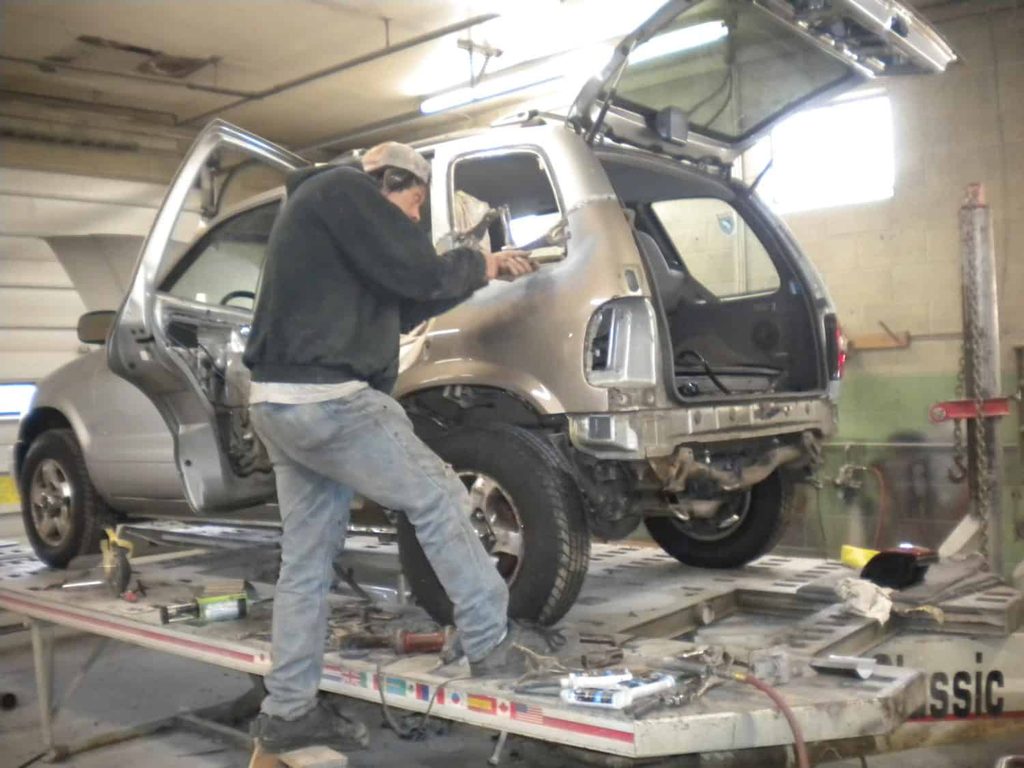
Vehicle paint can become damaged by collisions, scratches, chips, weather exposure and everyday driving conditions. When the exterior finish is affected, professional auto painting in Central PA can help restore your vehicle’s appearance and provide a consistent finish after body repairs. Whether your car has suffered collision damage, developed visible scratches or needs refinishing after a panel replacement, choosing an experienced auto body shop is an important step. Becker Body Shop provides auto body and collision repair services for drivers in the Central Pennsylvania area. By understanding the painting and refinishing process, vehicle owners can make informed decisions about repairing their cars and maintaining their exterior appearance.
Knowing About Auto Painting After an Accident
Collision damage can affect more than the shape of a vehicle’s body panels. An impact may chip the paint, scratch the clear coat, expose underlying materials or damage multiple sections of the exterior. Even when a dent appears relatively small, the surrounding paint may require professional attention.
Auto painting is often part of a broader collision repair process. Before applying new paint, technicians must assess the damaged area and determine whether bodywork, panel replacement, surface preparation or other repairs are necessary.
The goal is to create a smooth, properly prepared surface and a finish that blends as closely as practical with the surrounding paint. The exact repair approach depends on the vehicle’s condition, paint type, color and extent of the damage.
Common Types of Paint Damage
Vehicles can experience several forms of exterior paint damage. Scratches may affect only the clear coat or extend deeper into the paint layers. Stone chips can leave small exposed areas, while deeper abrasions may require more extensive refinishing.
Collision damage can also leave cracked paint, scuffed panels, or uneven surfaces. If a damaged panel needs replacement, painting may be necessary to achieve a consistent appearance across the repaired area.
Identifying the type and severity of the damage helps determine the appropriate repair method. A professional assessment can clarify whether localized refinishing or a more comprehensive repair is needed.
The Auto Painting and Refinishing Process
Step One: Inspecting the Damaged Area
Before painting begins, the damaged panel should be examined carefully. Technicians assess visible scratches, dents, paint peeling and other signs of damage. If the vehicle has been involved in a collision, they may also need to evaluate the underlying bodywork.
This inspection helps establish the scope of the repair and identifies areas that require preparation before refinishing. Hidden damage may become apparent only after certain components are removed or the affected surface is examined more closely.
Step Two: Preparing the Surface
Surface preparation is essential for a durable, professional-looking paint finish. Depending on the repair, this stage may involve cleaning, sanding, removing loose paint, repairing imperfections and applying appropriate primers.
Any remaining contamination or poorly prepared areas can interfere with paint adhesion and affect the final appearance. Careful preparation helps create a suitable foundation for the refinishing materials.
Technicians also protect nearby surfaces and components to reduce unwanted paint application during the process.
Step Three: Matching the Vehicle’s Paint Color
Modern vehicles use a wide variety of paint colors and finishes, including metallic and pearl effects. Matching the existing color requires attention to the vehicle’s paint code, finish type and the condition of the surrounding paint.
Even when the correct color code is available, the final appearance can vary depending on factors such as fading, previous repairs and the way the paint is applied. Professional color-matching methods help technicians work toward a consistent result.
The amount of blending required depends on the vehicle, the damaged panel and the repair specifications.
Step Four: Applying Paint and Protective Coatings
After the surface has been prepared, the appropriate paint materials can be applied according to the refinishing procedure. Depending on the paint system, this may involve primer, basecoat and clearcoat layers.
Each layer serves a particular purpose. Primer supports adhesion and surface preparation, basecoat provides color and clearcoat contributes gloss and protection. Application methods and curing requirements vary by product and vehicle.
Following the correct process helps produce a smooth finish while supporting the durability of the repaired area.
Step Five: Final Inspection
Once refinishing is complete, the repaired area should be inspected for color consistency, surface appearance, coverage and other visible imperfections. Technicians may also review the surrounding panels to assess how well the repaired area blends with the vehicle’s existing finish.
The vehicle should be handled according to the paint system’s curing and care requirements. Following the shop’s aftercare instructions can help protect the finish while it reaches its intended condition.
Why Professional Auto Painting Matters
Achieving a Consistent Appearance
Paint repairs are often noticeable when the color, gloss, or texture differs from the surrounding bodywork. Professional refinishing focuses on preparing the surface correctly and applying the appropriate paint system to achieve a consistent appearance.
This is especially important after collision repairs or panel replacement, when the affected area may be larger than the visible scratch or dent.
Addressing Damage Beneath the Paint
Painting over an unrepaired dent or an inadequately prepared surface will not correct the underlying problem. Depending on the extent of the damage, the vehicle may require bodywork before refinishing begins.
A complete assessment helps ensure that the repair addresses both the appearance of the panel and any relevant underlying damage. If structural or safety-related concerns are suspected after a collision, they should be evaluated as part of the appropriate repair process.
Supporting Long-Term Paint Care
A properly completed paint repair can help restore the exterior finish, but ongoing care remains important. Washing the vehicle with suitable automotive products, avoiding abrasive cleaning materials and following the shop’s recommendations can help maintain the repaired area.
Drivers should also address new chips or scratches promptly when practical, especially if the damage exposes the underlying material. The appropriate response depends on the depth and location of the damage.
Choosing an Auto Painting Shop in Central PA
Selecting a suitable repair shop involves more than comparing estimates. Vehicle owners should ask about the proposed repair process, surface preparation, paint-matching methods, materials and the work included in the estimate.
It is also useful to understand whether the quote covers necessary body repairs, refinishing, replacement parts and any additional work identified during disassembly. If insurance is involved, confirm the applicable approval process and coverage with the insurer and repair facility.
Becker Body Shop offers auto body, collision repair and paint-related services for drivers in Central Pennsylvania. You can explore its auto body paint services or learn more about its collision repair services to understand the available options.
Discussing the damage with a repair professional can help you determine which services may be appropriate for your vehicle.
When Should You Consider Auto Painting?
Paint repair may be worth considering when a vehicle has visible scratches, chipped paint, collision-related scuffs, peeling clearcoat or refinished body panels that do not match the surrounding finish. The right solution depends on the extent of the damage and the condition of the existing paint.
Minor surface marks may need a different approach from deep scratches or damage involving dented panels. In some cases, polishing or localized repair may be suitable, while more extensive damage requires professional refinishing.
A qualified assessment can help identify the practical options, expected repair steps and factors that may influence cost and completion time.
Restore Your Vehicle’s Finish With Auto Painting in Central PA
Collision damage and everyday wear can affect a vehicle’s appearance, but the right repair approach can help address visible paint problems and restore a more consistent exterior finish. From inspecting damaged panels and preparing surfaces to matching colors and applying protective coatings, each stage contributes to the overall result. Drivers considering auto painting in Central PA can contact Becker Body Shop to discuss their vehicle’s condition and explore suitable refinishing options. Learn more about Becker Body Shop and its auto body services to take the next step toward addressing paint and collision damage.
Frequently Asked Questions
1. When is auto painting needed after a collision?
Auto painting may be needed when a collision causes scratches, chipped paint, scuffed panels, or damage that requires body repair or panel replacement. The repair method depends on the extent of the damage.
2. Can a body shop match my car’s original paint color?
Technicians can use vehicle paint codes and color-matching methods to work toward a close match. The final result depends on the paint system, existing finish, vehicle condition and repair requirements.
3. Does a damaged panel need bodywork before painting?
If the panel has dents, uneven surfaces or other physical damage, bodywork may be required before refinishing. The shop should inspect the vehicle to determine the appropriate process.
4. How long does professional auto painting take?
The timeline varies according to the size of the damaged area, the amount of bodywork needed, paint application and curing requirements and the shop’s workload. Ask the repair facility for an estimate based on your vehicle.
5. Will insurance cover collision-related auto painting?
Coverage depends on your insurance policy, the circumstances of the damage, your deductible and the insurer’s claim decision. Contact your insurance provider and discuss the repair estimate before authorizing work.
6. Where can I find auto painting in Central PA?
Drivers can visit Becker Body Shop to learn about its auto body, collision repair and paint-related services in Central Pennsylvania.


