


Orthodontic treatment has long been associated with patience. Traditional braces or clear aligners gradually shift teeth into alignment, often taking several months to a few years. While this method is highly effective, many patients today seek faster results without compromising safety or oral health. Modern orthodontics has introduced surgical procedures designed to accelerate tooth movement, offering a scientifically backed approach to reduce treatment timelines while maintaining comfort and effectiveness.Understanding how these procedures work, what to expect during treatment, and the benefits and precautions involved is essential for anyone considering accelerated orthodontic care.
Understanding Natural Tooth Movement
Before exploring surgical acceleration, it’s important to understand how teeth move naturally. Braces and aligners work by applying gentle, continuous pressure to teeth. This pressure triggers a biological process known as bone remodelling, where bone is broken down on one side of the tooth and rebuilt on the other. This process allows teeth to move safely but is inherently slow.
Key factors in natural tooth movement include:
- Continuous, gentle pressure from orthodontic appliances.
- Bone resorption and formation around the tooth root.
- Time-dependent responses of periodontal tissues.
Patients with severe crowding, bite irregularities, or misalignment may require longer treatment periods. Surgical acceleration techniques enhance bone remodelling, enabling teeth to move more efficiently while maintaining safety and stability.
What is Surgical Orthodontic Acceleration?
Surgical orthodontic acceleration, often referred to as Orthodontic Tooth Acceleration (OTA), is a set of procedures designed to stimulate bone metabolism and speed up tooth movement. Unlike non-surgical approaches like vibration therapy or microstimulation, surgical methods provide more predictable and significant reductions in treatment time. A trained orthodontist Sunderland evaluates each patient to determine suitability. Factors considered include:
- Age and bone density
- Oral health and hygiene
- Complexity of tooth misalignment
- Treatment goals and urgency
Patients typically choose surgical acceleration to reduce treatment duration, achieve aesthetic improvements faster, and enhance functional aspects such as bite efficiency and chewing.
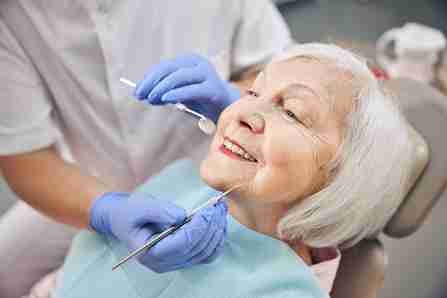
Reasons Patients Choose Surgical Acceleration
Surgical acceleration is not suitable for everyone, but many patients opt for it for specific reasons:
- Shorter treatment time: Achieve desired results more quickly.
- Minimised discomfort: Reduce the soreness associated with prolonged braces.
- Earlier aesthetic results: Gain confidence sooner with straightened teeth.
- Improved function: Correct bite and enhance chewing efficiency.
Consultation with a qualified orthodontist Sunderland ensures that patients understand the procedure and determine whether it meets their oral health needs.
Common Surgical Techniques for Acceleration
Several surgical procedures have been developed to accelerate tooth movement. Each method varies in invasiveness, recovery time, and degree of acceleration achieved.
1. Corticotomy
- Minor surgical cuts are made in the bone surrounding the teeth.
- Stimulates faster bone remodelling and tooth movement.
- Ideal for patients requiring significant acceleration.
- Recovery typically lasts 1–2 weeks.
2. Piezocision
- Minimally invasive, involving small incisions in the gum tissue.
- Encourages bone activity without extensive surgery.
- Suitable for mild to moderate acceleration needs.
- Recovery usually takes a few days.
3. Micro-Osteoperforations (MOPs)
- Tiny perforations are made in the bone using specialised instruments.
- Enhances tooth movement locally with minimal discomfort.
- Recovery is rapid, often within 1–2 days.
Comparison Table: Surgical Techniques
| Procedure | Invasiveness | Recovery Time | Best For |
| Corticotomy | Moderate | 1–2 weeks | Significant acceleration |
| Piezocision | Low | Few days | Mild to moderate |
| MOPs | Minimal | 1–2 days | Targeted acceleration |
All techniques are performed alongside braces or aligners, ensuring teeth move efficiently under professional supervision.
Patient Experience During Surgery
Understanding the patient experience helps reduce anxiety and ensures proper preparation:
1. Consultation and Assessment
- Detailed evaluation by an orthodontist Sunderland.
- Imaging studies (X-rays or CBCT scans) to plan the procedure.
- Discussion of treatment goals and expectations.
2. Preparation
- Administration of local anaesthesia to ensure comfort.
- Selection of the appropriate surgical technique.
3. Procedure
- Duration ranges from 30 minutes to an hour depending on complexity.
- Patients may feel slight pressure but minimal pain due to anaesthesia.
4. Post-Operative Care
- Instructions on oral hygiene, diet, and pain management.
- Mild swelling or discomfort is common for a few days.
In case of unexpected complications, consulting an emergency dentist in Sunderland ensures timely management.
Post-Surgical Care & Oral Hygiene
Maintaining excellent oral hygiene after surgical OTA is essential for successful results and infection prevention.
Post-Surgical Care Tips:
- Rinse gently with a saltwater solution or antibacterial mouthwash.
- Avoid hard, sticky, or acidic foods that may irritate surgical sites.
- Brush carefully around braces, wires, or surgical areas.
- Attend all follow-up appointments for monitoring healing and progress.
Following these guidelines optimises tooth movement, minimises complications, and promotes both oral and systemic health.
Benefits of Surgical Orthodontic Acceleration
Surgical OTA provides advantages that extend beyond reduced treatment time:
- Shorter Treatment Duration: Achieve desired results faster.
- Reduced Discomfort: Less soreness from long-term brace use.
- Enhanced Aesthetics: Straight teeth are achieved sooner, boosting confidence.
- Improved Function: Proper alignment improves bite and chewing efficiency.
- Systemic Health Support: Correct alignment reduces strain on jaws and muscles, supporting overall wellbeing.
These benefits make OTA a highly appealing option for patients seeking faster orthodontic results without compromising safety.
Expert Recommendations from Orthodontists
Professional guidance ensures safe and effective orthodontic acceleration:
- Attend all scheduled appointments for monitoring progress.
- Use recommended cleaning devices, such as interdental brushes and floss threaders.
- Report any unusual pain, swelling, or appliance problems promptly.
- Maintain a balanced diet to protect teeth and appliances.
- Seek advice from an emergency dentist in Sunderland for urgent concerns.
Following these recommendations helps optimise both orthodontic treatment and oral hygiene, supporting long-term oral and systemic health.

Long-Term Benefits of Combining Surgery and Hygiene
When surgical OTA is paired with diligent oral care, the long-term advantages are significant:
- Reduced risk of cavities and gum disease due to easier cleaning.
- Enhanced bite function, aiding digestion and speech.
- Early aesthetic improvements boost confidence.
- Minimise systemic complications with better oral alignment.
- Preservation of natural teeth and jaw health.
Early intervention, whether in children or adults, ensures smoother orthodontic treatment and sustained oral health.
Conclusion
Surgical orthodontic acceleration offers a safe and effective way to achieve a straight, healthy smile faster than traditional methods. By combining these advanced procedures with proper oral hygiene and professional supervision, patients can enjoy both functional and aesthetic benefits while safeguarding systemic health.At Sunderland, our expert dental team integrates evidence-based surgical OTA with personalised care, providing treatment plans designed to deliver confident, long-lasting smiles for every patient.


