


When faced with tooth loss, the choice of replacement matters not only for your smile but also for your oral health and long-term well-being. Two of the most popular treatments available are dental implants and bridges. Both serve the same purpose restoring missing teeth but they differ in durability, procedure, cost, and overall impact on your mouth.For someone deciding between the two, the choice can feel overwhelming. Should you invest in a long-term solution with surgery, or opt for something quicker and more cost-effective? This guide explores both options in detail, comparing their benefits, drawbacks, and suitability, to help you choose the best solution for your needs.
What Are Dental Implants?
Dental implants are artificial tooth roots, usually made from titanium, that are surgically inserted into the jawbone. Over time, the implant fuses with the bone through a process known as osseointegration. Once stable, a crown or prosthetic tooth is attached, creating a strong, natural-looking replacement.Implants are considered the “gold standard” for tooth replacement because they mimic the function of natural teeth and offer long-lasting results. For patients considering a dental implant in Portsmouth, this option is highly reliable and prevents many of the issues that come with tooth loss, such as shifting teeth or bone resorption.
What Are Dental Bridges?
A dental bridge, as its name suggests, “bridges” the gap left by a missing tooth. It is typically made up of one or more false teeth (pontics) anchored by crowns attached to the surrounding healthy teeth.
Unlike implants, bridges do not require surgery and can often be completed within a few weeks. They are an effective choice for patients who cannot undergo implant surgery or prefer a quicker solution. However, because the adjacent teeth are reshaped to support the bridge, this treatment can sometimes compromise otherwise healthy teeth.
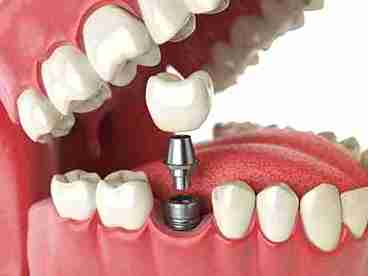
Benefits of Dental Implants
- Longevity and Strength: With proper care, dental implants can last decades, often for life.
- Preservation of Jawbone: They stimulate bone growth, preventing deterioration that occurs with tooth loss.
- Natural Appearance: Implants are virtually indistinguishable from natural teeth, both in appearance and feel.
Benefits of Dental Bridges
- Quicker Procedure: Bridges can usually be fitted within two to three appointments.
- Cost-Effective Short-Term: More affordable upfront than implants, making them accessible to more patients.
- Non-Surgical Option: Ideal for those unable or unwilling to undergo surgery.
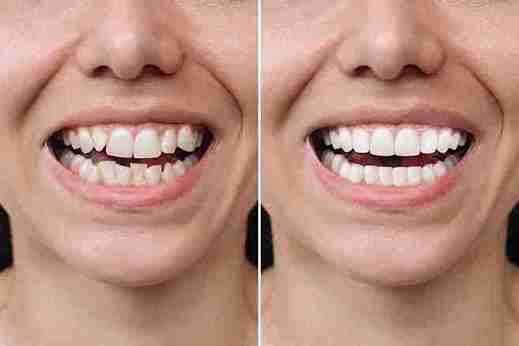
Direct Comparison: Implants vs. Bridges
To make the choice clearer, here’s a side-by-side comparison of key features:
| Feature | Dental Implants | Dental Bridges |
| Longevity | 15+ years, often lifelong | 7–10 years on average |
| Procedure | Surgical placement in the jawbone | Non-surgical, uses adjacent teeth |
| Impact on Adjacent Teeth | Independent, no damage | Requires reshaping healthy teeth |
| Bone Health | Prevents bone loss | No protection for the jawbone |
| Aesthetics | Highly natural | Natural, but may not blend seamlessly |
| Cost | Higher initial investment | Lower upfront cost |
Suitability: Who Should Consider Dental Implants?
Dental implants are often recommended for patients who:
- Have healthy gums and good overall oral health.
- Possess sufficient jawbone density for implant placement.
- We are looking for a permanent solution that requires minimal maintenance.
- Value long-term benefits over short-term savings.
For patients needing urgent care after sudden tooth loss, an emergency dentist in Portsmouth may recommend implants as a long-lasting replacement once the extraction site has healed.
Suitability: Who Should Consider Dental Bridges?
Dental bridges may be the preferred solution for those who:
- Want a faster treatment with no surgery.
- Lacks sufficient bone structure for implants.
- Require a more budget-friendly option.
- Need to restore function quickly after losing a tooth.
In urgent cases, where immediate tooth replacement is needed, an emergency dentist in Portsmouth may suggest a bridge as a practical short-term solution.
Treatment Process: What to Expect
Dental Implants
The implant process usually involves several stages spread over months:
- Consultation & Assessment– X-rays and scans to check bone density.
- Implant Surgery– Placement of the titanium post into the jawbone.
- Healing & Osseointegration– A healing period of 3–6 months.
- Crown Placement– Final attachment of the artificial tooth.
Dental Bridges
Bridges are quicker and involve fewer steps:
- Preparation– Reshaping of adjacent teeth to support crowns.
- Impressions– Moulds taken for a custom-fit bridge.
- Fitting– Placement of the bridge and adjustments for comfort.
Maintenance and Aftercare
- Dental Implants: Require standard oral hygiene—brushing, flossing, and regular dental check-ups. Because implants act like natural teeth, they are relatively easy to maintain.
- Dental Bridges: Need special cleaning around and under the pontic. Floss threaders or water flossers are often recommended to prevent decay around supporting teeth.
- General Advice: Whichever option you choose, regular visits to your dentist will prolong the life of your restoration.
Risks and Limitations
Both treatments carry certain risks:
- Dental Implants: May involve surgical complications such as infection, implant failure, or prolonged healing. Success rates are high but depend on good oral health.
- Dental Bridges: Over time, supporting teeth may weaken or decay, and bridges may require replacement sooner than implants.
If you are unsure which treatment is best, consulting an emergency dentist in Portsmouth or your regular dentist will ensure you get a tailored recommendation.
Cost Considerations
The financial side often influences the decision between implants and bridges.
- Implants: Higher initial cost but more economical long-term due to longevity.
- Bridges: Lower upfront cost but may require replacement every 7–10 years.
For patients considering a dental implant in Portsmouth, it’s worth remembering that implants can reduce long-term expenses by avoiding repeated replacements.
Long-Term Outlook
When maintained properly, implants have one of the highest success rates of any dental treatment, often lasting a lifetime. Bridges, while effective, typically need replacing within a decade, which can mean more dental work over time.
Patients focused on aesthetics, oral health, and durability usually lean towards implants, while those seeking speed and affordability often choose bridges.
Conclusion
Both dental implants and bridges are effective ways to restore missing teeth, but the best choice depends on your personal circumstances. Implants offer unmatched durability, bone preservation, and a natural look, while bridges provide a quicker, non-surgical, and more budget-friendly solution. At EDP, we pride ourselves on offering tailored advice and high-quality care. Whether you’re considering a dental implant in Portsmouth for a long-term solution or need urgent care from an emergency dentist in Portsmouth, our team is here to guide you every step of the way and help restore your smile with confidence.


