


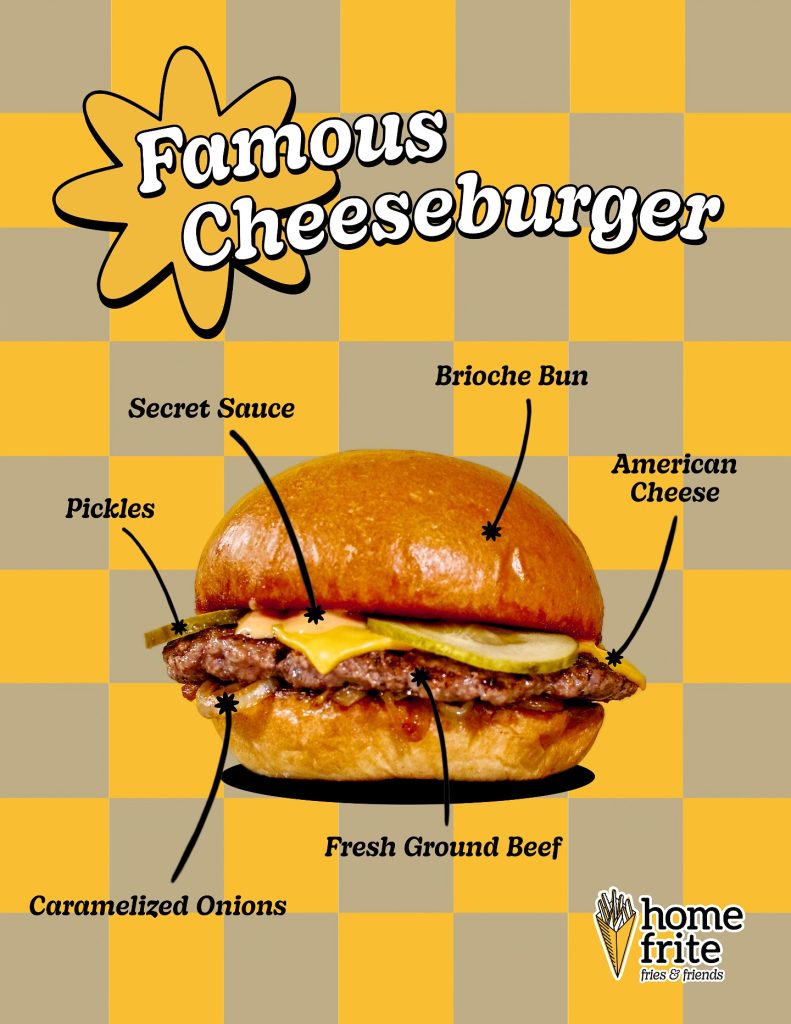
Fast-casual food didn’t blow up because it was clever. It blew up because people were done. Done with greasy drive-thrus that leave you feeling blah, and done with sit-down spots that turn lunch into a whole event. Nobody asked for tablecloths at noon. They just wanted decent food, fast, without feeling ripped off. That’s where fast-casual slid in and honestly, it hasn’t let go since. What’s dominating the market right now isn’t flashy or complicated. It’s clear. Focused. Built for how people actually live, not how some trend deck says they should.
Why Fast-Casual Food Still Has Momentum
Fast-casual food works because it fits into real life. Messy schedules. Short breaks. People eating in their cars more than they admit. You walk in, you order, you sit or you don’t, and you’re eating real food within minutes. That matters. A lot. There’s no pretending you’re on vacation or celebrating something. It’s just lunch. Or dinner. And that honesty builds loyalty.
There’s also this quiet trust customers give fast-casual food now. They assume it’s fresher. Less processed. Even if they don’t read labels or care about buzzwords. Smaller menus help with that. You see five or six items instead of forty, and your brain goes, okay, they probably know what they’re doing here. That’s powerful, and it’s something fast food lost along the way.
Smaller Menus, Sharper Concepts
Here’s where the market really shifted. The winning fast-casual food brands stopped trying to please everyone. They picked a lane and stayed there. Hard. Bowls only. Chicken only. Fries only. That kind of focus scares some operators, but it’s exactly why these places work.
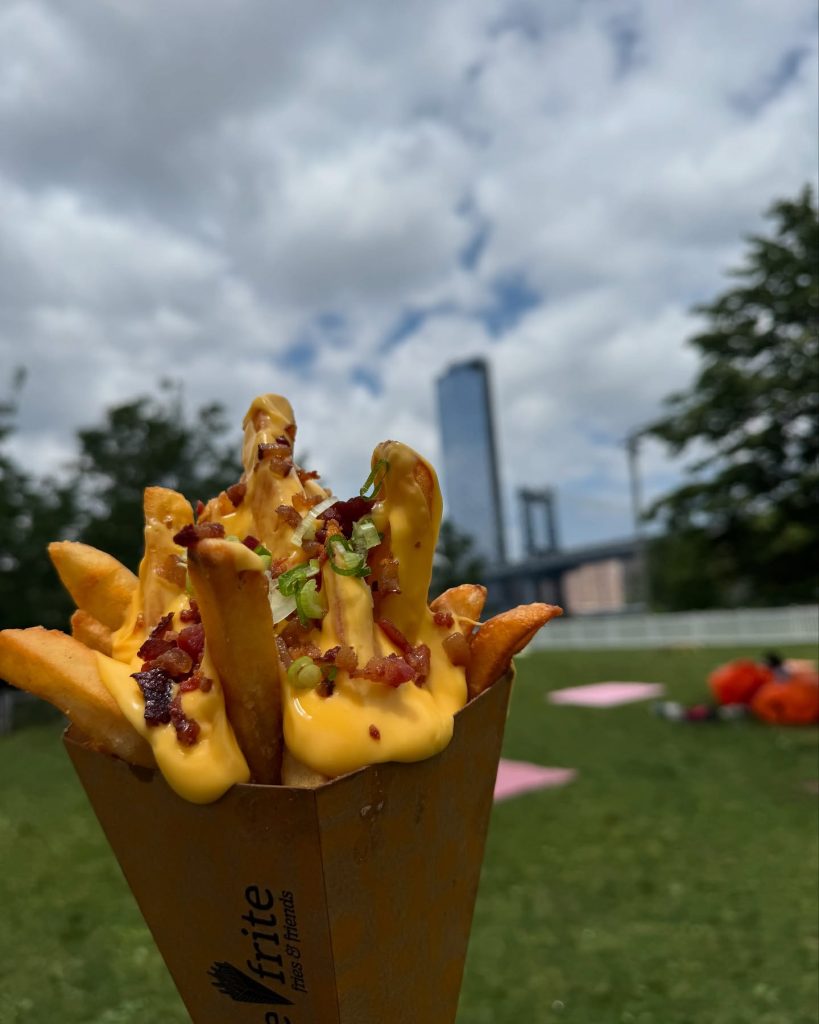
A french fry restaurant is a perfect example. On paper, it sounds risky. Fries? Just fries? But in reality, it’s kind of brilliant. Fries are already loved. You don’t need to sell the idea. You just need to do them better than everyone else. Cut fresh. Fried right. Served hot. Topped smartly. Suddenly, a side dish becomes the main event. Customers get it instantly, and that clarity is gold in fast-casual food.
Comfort Food Is Doing the Heavy Lifting
Let’s not overthink this. People want comfort. Especially now. Fast-casual food leaned into that without going full greasy spoon. Fried chicken sandwiches, smash burgers, loaded fries, mac and cheese that actually tastes like something. Familiar food, just handled with a little more care.
A french fry restaurant lives right in that comfort zone. Fries don’t pretend to be healthy. They don’t need a backstory. They just need to be good. When they are, people don’t question it. They crave it. Late afternoons. Post-work hunger. Kids dragging parents in. Comfort food sells itself when it’s done right, and fast-casual food understands that better than any other category.
Tech Is There, But It’s Not the Star
Everyone loves talking about tech in restaurants. Apps. Kiosks. AI menus. Most customers couldn’t care less. They just want the system to work. Order without friction. Pay without issues. Pick up food without confusion. That’s it.
The fast-casual food brands winning right now use tech quietly. No drama. No gimmicks. Especially for concepts like a french fry restaurant, where timing matters a lot. Fries don’t forgive delays. If the system slows things down, quality drops fast. The smart brands build tech around speed and flow, not around buzzwords.
Pricing Isn’t Cheap, But It Has to Feel Right
Fast-casual food used to feel like a deal. Now it feels like a choice. Prices went up. Everyone knows why. Customers accept it, mostly. What they don’t accept is paying more for less effort.
The brands dominating today charge what they need to charge, but they back it up. Portion size. Flavor. Consistency. You walk out feeling like, yeah, that was worth it. A french fry restaurant can absolutely charge more than a fast-food chain if the fries are clearly better. People know when corners aren’t cut. And they know when they are.
Branding That Feels Like an Actual Human
This is a big one. The fast-casual food brands that stick don’t sound corporate. They sound like someone real is behind the counter, even if they’re not. Menus written in plain language. Signage with a little attitude. Nothing over-designed.
A french fry restaurant with personality stands out instantly. Especially in cities where every other place feels like it came from the same branding template. Customers remember places that feel honest. Slightly rough around the edges. Confident without being loud. That human tone matters more than most people think.
Conclusion: Focus Wins, Noise Loses
Fast-casual food is dominating the market because it does one thing very well. It shows up for everyday eating. Not special occasions. Not Instagram moments. Just real meals, done consistently. The concepts winning aren’t chasing every trend. They’re doubling down on what works.
Whether it’s a tightly run bowl concept or a french fry restaurant built around one simple idea, the lesson is the same. Focus beats variety. Execution beats hype. And sounding like a human beats sounding like a brand. That’s not changing anytime soon.
FAQs About Fast-Casual Food
What makes fast-casual food different from fast food?
Fast-casual food offers better quality ingredients and made-to-order meals, without full table service. It’s faster than casual dining but more intentional than traditional fast food.
Why are niche fast-casual food concepts growing?
Because focus improves quality and speed. Customers trust brands that clearly know what they do best.
Is a french fry restaurant really a viable fast-casual concept?
Yes. Fries are universally loved, affordable to produce, and easy to customize. A well-executed french fry restaurant fits perfectly into fast-casual food.
Are customers still spending money on fast-casual food?
They are, as long as value is clear. Portion size, flavor, and consistency matter more than price alone.
What’s the biggest mistake new fast-casual food brands make?
Trying to do too much too soon. The strongest concepts start simple and execute relentlessly.


