


Fire risk is real. It’s not just a “California problem.” It’s not just rural land. Subdivisions burn. Job sites catch. Accidents happen. And if you build decks, docks, fences, barns, or coastal homes, you already know that wood alone doesn’t always cut it.
That’s where Fire Resistant Lumber comes into the conversation.
Not the trendy, overhyped stuff. The real, pressure-treated, code-compliant material that’s built to slow flame spread and buy time. Time for people to get out. Time for fire crews to respond. Time that can literally mean the difference between “repair” and “total loss.”
I’ve seen projects where builders tried to save a little money upfront. Regular lumber instead of fire-treated. Untreated posts instead of proper Treated Pilings. It works fine… until it doesn’t.
Let’s talk about what actually matters.
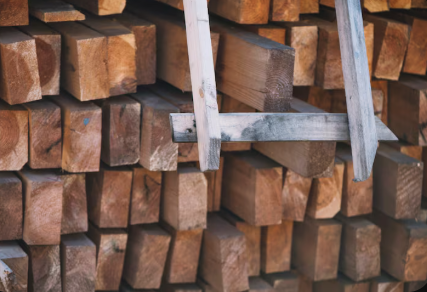
What Is Fire Resistant Lumber (And What It’s Not)
First, a reality check. Fire Resistant Lumber does not make your structure fireproof. Nothing does.
What it does is reduce flame spread and slow combustion. It’s treated under pressure with fire-retardant chemicals that penetrate the wood fibers. That treatment changes how the wood reacts when exposed to heat. Instead of feeding the flame aggressively, it chars in a more controlled way.
It buys time. That’s the point.
And time matters.
This type of lumber is often required in certain commercial builds, multi-family housing, wildland-urban interface zones, and coastal areas with stricter codes. But even when it’s not required, smart builders are using it anyway.
Because liability is real. Insurance companies are watching. And customers ask better questions now.
Why Builders Are Switching to Fire Resistant Materials
There’s been a shift in the industry over the last few years.
It’s not just about looks or price anymore. It’s about durability and compliance.
- Insurance rates are climbing in high-risk areas.
- Building codes are tightening.
- Clients are more aware of fire risks.
And if you’re building near dry brush, marshland, docks, or commercial facilities, you’re already in a higher exposure category.
Using Fire Resistant Lumber can:
- Improve code compliance
- Help with inspection approvals
- Potentially lower insurance friction
- Add long-term property value
It’s not a marketing gimmick. It’s risk management.
Don’t Ignore the Foundation: Treated Pilings Matter Too
Now let’s shift gears for a second.
Because fire protection doesn’t mean much if your structure fails from below.
Treated Pilings are just as critical, especially in coastal builds, lake properties, and flood-prone zones. They’re designed to resist rot, moisture, marine borers, and long-term soil exposure.
And here’s where it gets overlooked — some builders focus on what’s visible (deck boards, framing lumber) and forget about what’s underground or underwater.
Bad idea.
If you’re building a dock, pier, or elevated coastal home, combining Fire Resistant Lumber above with properly rated Treated Pilings below creates a structure that can handle both flame and water exposure.
That’s smart construction.
You don’t build for the sunny day. You build for the worst one.
Where Fire Resistant Lumber Makes the Most Sense
Not every project needs it. Let’s be honest.
But there are situations where it absolutely makes sense:
Wildland-Urban Interface Areas
Homes near wooded land or dry vegetation.
Multi-Family Construction
Apartments, condos, townhomes — shared walls increase risk.
Commercial Projects
Restaurants, retail builds, storage facilities.
Rooftop Decks and Elevated Structures
Fire travels up fast. Slowing that spread can be critical.
Schools and Public Buildings
Liability alone makes it worth serious consideration.
Even on custom homes, some builders are using fire-rated framing lumber in high-risk sections of the build. Attics. Eaves. Structural framing near property lines.
It’s not about overdoing it. It’s about using the right material in the right place.
Cost vs. Consequence
Yes, Fire Resistant Lumber costs more than untreated lumber.
That’s the part nobody likes.
But compare that difference to:
- Insurance claims
- Legal exposure
- Rebuild costs
- Reputation damage
Suddenly the price gap feels smaller.
Same thing with Treated Pilings. You can go cheaper. You can cut corners. But if your posts start failing in five or ten years because they weren’t properly treated for ground contact or marine exposure, that savings disappears fast.
Quality lumber isn’t where you gamble.
Installation Still Matters
Here’s something people don’t talk about enough.
Even the best Fire Resistant Lumber won’t perform correctly if it’s mishandled.
Cutting and field treatment need to follow manufacturer guidelines. Fasteners must be compatible. Storage conditions matter. Exposure ratings matter.
And with Treated Pilings, proper embedment depth and soil condition assessment are critical. You can’t just drop them in and hope for the best.
Material quality plus correct installation. That’s the formula.
Fire Resistant Lumber and Code Compliance
Building inspectors aren’t guessing.
Most fire-rated lumber is classified under specific flame spread ratings. When you’re working on commercial or multi-family builds, those classifications matter for passing inspections.
If you’re unsure what rating you need, talk to your supplier early. Not after framing is done.
Waiting until the inspection stage to figure this out? That’s a headache nobody wants.
And redoing structural framing because you used the wrong material is expensive. Really expensive.
Long-Term Thinking Wins
The contractors who last in this business aren’t the ones who chase the cheapest load every time.
They’re the ones who think long-term.
They build docks with properly rated Treated Pilings that hold up against moisture and marine exposure.
They frame high-risk builds with Fire Resistant Lumber where it makes sense.
They explain to clients why certain materials cost more — and why it’s worth it.
That’s how you build trust. And repeat work.
Choosing the Right Supplier Matters
Not all lumber yards are the same.
You want a supplier who understands:
- Fire treatment ratings
- Local code requirements
- Ground-contact classifications
- Marine-grade piling options
Someone who can answer questions without flipping through a catalog for ten minutes.
If your supplier doesn’t know the difference between above-ground treatment and marine-rated Treated Pilings, that’s a red flag.
Work with people who specialize in this stuff.
The Bottom Line
Fire risk isn’t theoretical anymore. Neither is water damage. Or rot. Or liability.
Using Fire Resistant Lumber in the right applications can slow flame spread and protect structures when it matters most.
Using properly rated Treated Pilings creates a foundation that can withstand harsh environmental conditions for years.
You don’t need to overbuild everything. But you shouldn’t underbuild anything either.
Smart material choices now prevent expensive problems later.
Simple as that.
If you’re planning a build and want guidance on selecting the right Fire Resistant Lumber or
FAQs
1. Is Fire Resistant Lumber completely fireproof?
No. It’s designed to slow flame spread and reduce combustion, not make wood completely fireproof. It buys time during a fire event.
2. Where are Treated Pilings typically used?
They’re commonly used for docks, piers, elevated homes, marine structures, and foundations in wet or flood-prone areas.
3. Does fire-treated lumber require special maintenance?
Generally no, but it must be installed properly and cut ends may require field treatment to maintain rating compliance.
4. Is Fire Resistant Lumber required for residential homes?
It depends on local building codes and location. Some high-risk fire zones require it, while other areas may not — but it’s often a smart upgrade regardless.


