

Finding more hair on your pillow, noticing a widening part, or seeing more scalp through your hair can raise questions that shampoo changes and home remedies cannot answer. Hair loss is not always caused by the same problem, and choosing the right treatment begins with understanding what is happening beneath the surface.
A professional scalp assessment helps connect visible changes with possible medical causes. At Radiant Skin NYC, hair loss evaluations focus on understanding the patient’s history, examining the scalp, and determining which diagnostic steps and treatments may be appropriate. For anyone searching for a Hair Loss Specialist NYC, this process offers a more informed starting point than guessing which product might work.
What Can Your Scalp Reveal About Hair Loss?
Your scalp can provide important clues about why your hair is thinning. The location of hair loss, the condition of the skin, and the pattern of shedding can help a dermatologist narrow down possible causes.
During an assessment, a dermatologist may look for:
- Changes in hair density: Thinning around the crown, temples, or part line may suggest a particular pattern of hair loss.
- Patchy hair loss: One or more clearly defined bald patches may indicate a condition such as alopecia areata.
- Redness or inflammation: Irritation and inflammation can point toward an underlying scalp condition.
- Scaling or itching: Flaking, persistent itching, or other skin changes may require further evaluation.
- Signs of scarring: Certain conditions can damage hair follicles permanently, making early diagnosis especially important.
These observations do not establish a diagnosis on their own. Instead, they help guide the next steps in understanding your hair and scalp health.
Why Hair Loss Requires More Than a Visual Check
Two people can experience similar hair thinning for completely different reasons. One person may have hereditary hair loss, while another may develop excessive shedding following an illness, significant stress, or a hormonal change.
Radiant Skin NYC recognizes several forms of alopecia, including male and female pattern hair loss, alopecia areata, telogen effluvium, and scarring alopecias. Distinguishing between these conditions matters because each may require a different management approach.
A dermatologist may consider several factors during your evaluation:
- Medical history: Recent illnesses, health conditions, medications, and family history can offer important clues.
- Hair care practices: Tight hairstyles, chemical treatments, and repeated tension on the hair may contribute to breakage or traction-related hair loss.
- Hormonal and nutritional factors: Thyroid disorders, iron deficiency, and certain hormonal changes may contribute to thinning.
- Timing of symptoms: Sudden shedding after a stressful event may suggest a different cause from gradual thinning over several years.
Rather than treating every case alike, a detailed assessment helps identify which explanations are most likely and whether additional testing is needed.
What Happens During a Professional Scalp Assessment?
If you have never visited a dermatologist for hair loss, knowing what to expect can make the appointment less intimidating. The evaluation typically begins with a conversation before moving to a physical examination.
1. Reviewing Your Hair Loss History
Your dermatologist may ask when you first noticed the changes, whether the shedding began suddenly, and whether the thinning affects particular areas or the entire scalp.
You may also discuss family history, recent illnesses, medications, diet, stress, and hair styling habits. These details help build a clearer picture of what could be contributing to the problem.
2. Examining the Scalp and Hair
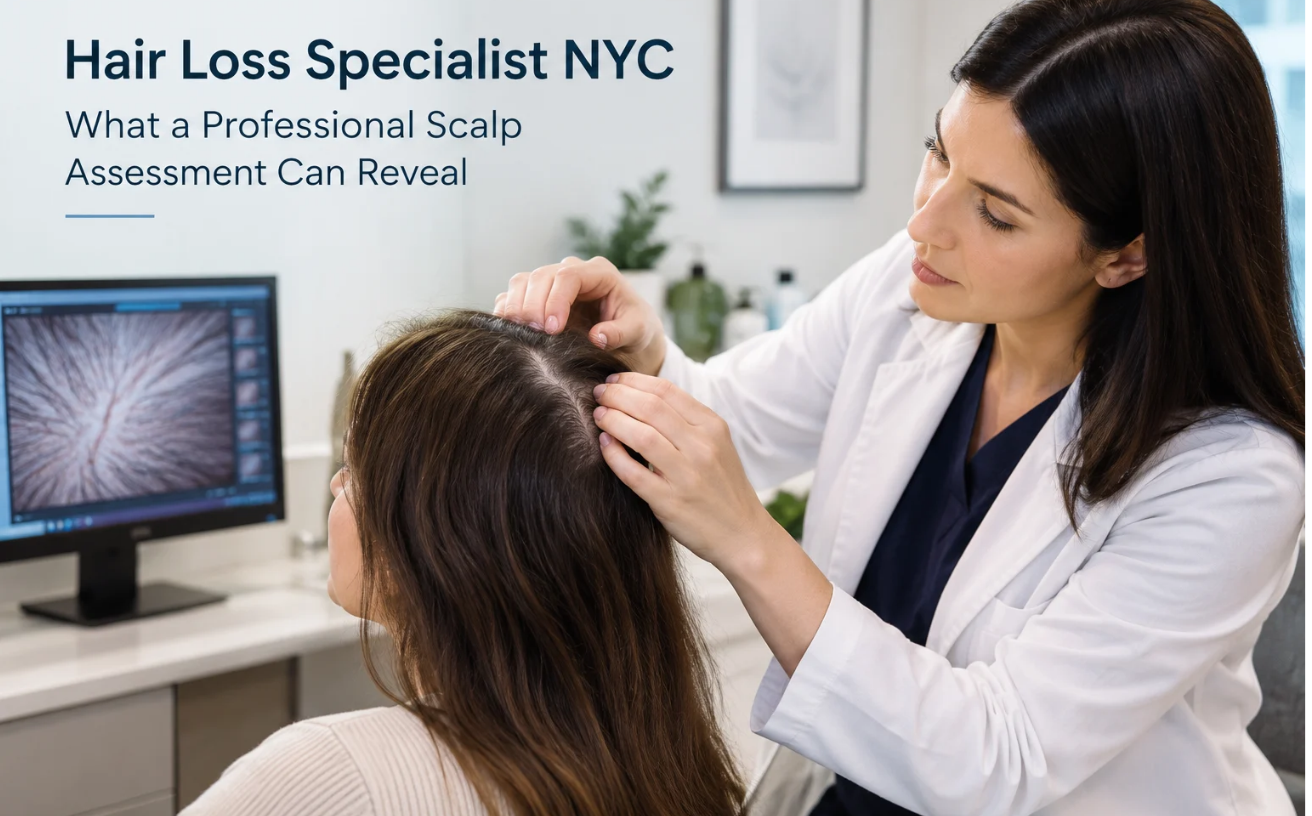
The dermatologist examines the scalp for changes in density, inflammation, scaling, bald patches, and possible scarring. The appearance and distribution of thinning can help distinguish between different types of hair loss.
Depending on the findings, the dermatologist may perform additional assessments to evaluate shedding or follicle health.
3. Determining Whether Further Tests Are Necessary
A physical examination and medical history are often central to diagnosis, but some cases require additional investigation. Selected blood tests may help identify contributing medical or nutritional factors.
In certain situations, a scalp biopsy may be recommended to clarify the diagnosis, particularly when an inflammatory or scarring condition is suspected. Not every patient needs laboratory testing or a biopsy; the decision depends on the clinical findings.
4. Discussing a Suitable Treatment Plan
Once the likely cause has been identified, the dermatologist can explain the available options, their potential benefits, and their limitations. At Radiant Skin NYC, treatment recommendations depend on the type of alopecia and the patient’s individual needs.
Which Hair Loss Conditions Can an Assessment Identify?
A scalp assessment can help distinguish between several conditions that may look similar at first.
- Androgenetic alopecia: Also known as hereditary or pattern hair loss, this condition often develops gradually and affects hair density in characteristic areas.
- Telogen effluvium: This form of excessive shedding can occur after illness, significant stress, surgery, or other triggers that disrupt the hair growth cycle.
- Alopecia areata: An autoimmune condition that commonly causes smooth, round patches of hair loss.
- Scarring alopecia: A group of conditions that can damage hair follicles and lead to permanent hair loss in affected areas.
- Traction alopecia: Hair loss associated with repeated pulling or tension from certain hairstyles.
Recognizing the differences is important. For example, temporary shedding may improve after its underlying trigger is addressed, whereas some scarring conditions require prompt medical attention to limit further follicle damage.
What Treatment Options May Follow the Assessment?
There is no single treatment that works for every type of hair loss. Recommendations depend on the diagnosis, symptom severity, medical history, and suitability of individual therapies.
Depending on the condition, options may include:
- Topical minoxidil: A medication used for certain forms of hair loss, including pattern hair loss.
- Prescription medications: Treatments such as finasteride, spironolactone, or corticosteroids may be considered for specific diagnoses and appropriate patients.
- Management of underlying triggers: Addressing relevant medical conditions, nutritional deficiencies, or contributing factors may be part of the plan.
- Follow-up monitoring: Reviewing changes over time helps the dermatologist assess progress and determine whether treatment adjustments are needed.
Radiant Skin NYC lists several medical treatment options for alopecia. Not every treatment is suitable for every patient, and some medications have important precautions or potential side effects. A dermatologist can explain which options are appropriate and what results can reasonably be expected.
When Should You See a Hair Loss Specialist?
Consider arranging an evaluation if you notice persistent excessive shedding, gradual thinning, a widening part, a receding hairline, or new bald patches. Seek prompt medical attention if hair loss develops suddenly, progresses rapidly, or occurs alongside scalp pain, significant redness, or inflammation.
Early assessment is particularly important when scarring alopecia is suspected because follicle damage may become irreversible. You do not need to wait until the thinning becomes severe before asking for professional advice.
Frequently Asked Questions
1. What does a scalp assessment for hair loss involve?
It generally includes a review of your medical and hair loss history, a physical examination of the scalp and hair, and discussion of possible causes. Depending on the findings, blood tests or a scalp biopsy may be recommended.
2. Can a dermatologist tell whether hair loss is permanent?
A dermatologist can often identify signs that suggest a particular type of hair loss. Evidence of scarring may indicate permanent follicle damage, while some non-scarring conditions may be reversible or manageable. The outlook depends on the diagnosis.
3. Does every case of hair loss require a blood test?
No. Blood tests are recommended when the medical history or examination suggests that additional investigation may be useful. The need for testing varies from patient to patient.
4. Is scalp itching related to hair loss?
Itching can occur alongside scalp inflammation or other skin conditions, some of which may contribute to hair problems. However, itching alone does not establish the cause of hair loss and should be evaluated in context.
5. Which doctor should I see for thinning hair?
A board-certified dermatologist is a suitable starting point for evaluating hair loss because dermatologists are trained to diagnose conditions affecting the hair, scalp, and skin. The appropriate treatment can then be selected based on the findings.
Start With Answers, Not Guesswork
Hair thinning can have several underlying causes, and the most effective next step is understanding which one applies to you. A professional scalp assessment can help identify relevant signs, clarify whether further testing is necessary, and guide decisions about treatment.
At Radiant Skin NYC, Dr. Dele-Michael and the dermatology team provide care focused on evaluating individual concerns and discussing appropriate treatment options. With an informed approach, patients can better understand their hair loss and make decisions based on their diagnosis rather than trial and error.
If you have noticed persistent shedding, changes in hair density, or unexplained bald patches, request an appointment to discuss your concerns and explore the next steps in your hair and scalp evaluation.


