

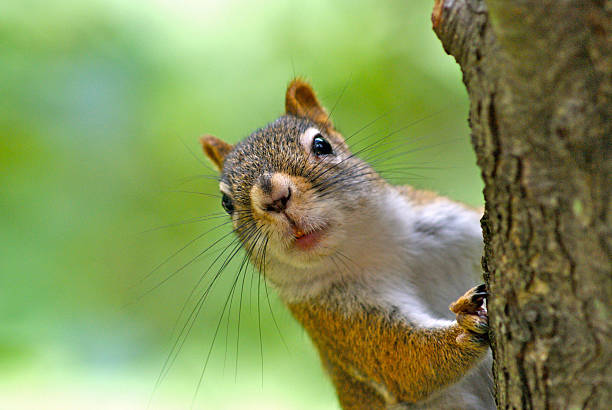
So there’s scratching in your attic, maybe a thump or two around sunrise, and you’ve already typed squirrel removal near me into your phone about four times. I get it. That sound is the kind that makes you stare at the ceiling and do math on how much damage is up there. The good news is you’ve got options, and most of them are better than going up into the attic with a broom. This post covers how to tell what you’re dealing with, how to pick a decent company, what it should cost you, and what to do afterward so the problem doesn’t come right back.
First, Make Sure It’s Actually a Squirrel
Before you call anyone, take a breath and listen. Squirrels are daytime animals. If the noise starts around dawn and quiets down by evening, that’s a pretty strong clue. Rats and mice, on the other hand, party at night. Raccoons are heavier, clumsier, and way louder, more of a thud and drag than a scamper.
You can also look outside. Chewed fascia boards, gnawed holes near the roof edge, torn vent screens, that sort of thing. Sometimes you’ll just see the culprit running a branch up to your roof like it pays the mortgage. Droppings in the attic are another tell, bigger than mouse droppings, darker, kind of rounded on the ends.
Why does this matter? Because the removal method changes depending on the animal. A company that treats every critter the same isn’t one you want in your attic.
What Squirrels Are Really Doing Up There
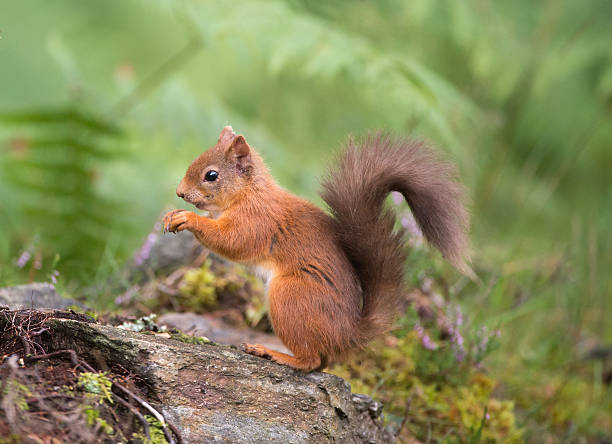
Here’s something most people don’t realize. In spring and late summer, that squirrel is probably a mother with babies. She’s not wrecking your house for fun, she’s nesting. Attics are warm, dry, and safe from predators, so it’s basically a five-star hotel with free insulation.
And they do wreck it. They shred insulation, pack it down for bedding, and chew on wood, ductwork, and wiring. Wiring is the scary one. Chewed electrical in a closed attic is a legit fire hazard, and plenty of homeowners don’t know until something trips or smells weird.
Urine and droppings add another layer. Mold, odor, stains on the ceiling below. It snowballs. So a couple weeks of ignoring it can turn a cheap fix into an expensive one. Don’t wait it out hoping they leave, because they usually don’t.
Why DIY Squirrel Removal Often Goes Sideways
I’m not going to tell you nobody can do it themselves. People do. But I’ve heard enough horror stories to say this plainly, it often goes wrong. Maybe you set a trap, catch the mother, and now there’s a nest of babies stuck up there with no one coming back. That’s cruel, and it’s a mess you’ll smell in a week.
Then there’s the legal side. A lot of states and cities have rules about trapping, relocating, and what you can do with wildlife. Relocating a squirrel across town might even be illegal where you live, and honestly it often isn’t kind to the animal either. Unfamiliar territory, other squirrels already claiming it.
And you’ll probably miss entry points. Squirrels don’t use just one. You close the obvious hole, and they chew a new one two feet over. A trained tech knows where to look, and that experience is really what you’re paying for.
What to Look for in a Local Wildlife Company
When you search squirrel removal near me, you’ll get a pile of results, some great, some not so much. A few things separate the good ones. Licensing and insurance first. Ask directly, and if they dodge, move on. Wildlife work happens on your roof and in your attic, and you don’t want to be liable if someone falls.
Next, ask how they remove the animals. You want humane methods, like one-way exclusion doors that let squirrels leave but not return, and a plan for any babies. If they only talk about poison or glue boards, hang up. Poison especially is a bad idea, since animals die inside your walls and the smell is unreal.
Finally, ask about the inspection. A solid company looks at the whole roofline, not only the hole you pointed out. They should explain what they found, in normal words, and give you a written quote.
Cost, Timelines, and What the Process Looks Like
Prices vary a lot by region and by how bad things are. A simple removal with a few repairs can run a few hundred dollars. A bigger job with babies, cleanup, and extensive sealing can push into the thousands. Be wary of quotes that seem way too low, because they often skip the exclusion work, and then you’re calling again in a month.
The usual flow goes like this. Inspection first, then installing one-way doors or traps, then waiting a few days while the animals exit. After that, the crew seals every opening with sturdy materials like heavy gauge hardware cloth and metal flashing. Cleanup follows, and sometimes sanitizing and odor treatment.
Most jobs take a week or so, sometimes less. If there are babies, the timeline can stretch a bit, because a good tech will reunite them with mom instead of just leaving them. Ask about warranties too. A decent company guarantees their sealing work for a year or more.
Repairs and Insulation After the Squirrels Are Gone
Once the animals are out, don’t just shrug and walk away. The insulation they trashed isn’t doing its job anymore, and it’s probably holding urine and bacteria. Usually the soiled sections need to come out and get replaced, and sometimes it’s the entire attic floor.
This is where pest resistant insulation comes up. Materials like closed-cell spray foam and mineral wool are harder to tunnel through and don’t make great nests. They aren’t squirrel proof, let’s be honest, but they make an attic less appealing and a lot more work to wreck. That tends to be enough to send an animal looking elsewhere.
Also check your wiring, ducts, and vents before you close things back up. If anything was chewed, get an electrician in. Better to catch it now than at 2 a.m. when something sparks.
Keeping Squirrels Out for Good
Prevention is boring, I’ll admit it. But it works. Trim branches back so there’s a good eight to ten feet between trees and your roof, since squirrels jump farther than you’d think. Cap the chimney. Cover vents with hardware cloth, not thin chicken wire, which they chew through like paper.
Walk your roofline once or twice a year. Look for loose soffits, gaps near the fascia, damaged shingles, anything that looks pried up. Fix small stuff right away, because squirrels love a weak spot.
And skip the repellents, mostly. Mothballs, predator urine, ultrasonic gadgets, they’re hit or miss and wear off quick. Sealing the home properly is the real answer, and everything else is just a nice extra at best.
Conclusion
If you’ve been searching for squirrel removal near me, the short version is this. Confirm it’s squirrels, call a licensed, humane company, make sure they seal every entry point, and don’t skip the cleanup. Upgrading to pest resistant insulation afterward is a smart move, but only once the animals are out and the home is sealed tight. Skip steps and the problem tends to return.
If you’re dealing with noises overhead right now, Elite Wildlife Services can inspect your home, handle humane removal, repair the damage, and help you protect the attic going forward. Don’t let it drag on. Squirrels don’t get less destructive with time.
FAQs
How much does squirrel removal usually cost?
It depends on the size of the problem and where you live. Simple jobs can be a few hundred dollars, while larger ones with cleanup and repairs cost more.
Is it okay to relocate squirrels myself?
Often not. Many areas restrict relocation, and moving a squirrel to unfamiliar territory is rough on the animal. A licensed pro knows the local rules.
How long does squirrel removal take?
Usually about a week, sometimes less. Jobs involving babies can take a bit longer so they can be handled safely.
Will squirrels come back after removal?
They can if entry points aren’t sealed properly. That’s why exclusion work and a warranty matter as much as the removal itself.
Does pest resistant insulation keep squirrels out?
It helps make your attic less inviting, but it isn’t a stand alone fix. You still need to seal the roofline and block entry points.
Do I need to replace insulation after squirrels?
Most of the time, yes, at least the soiled or flattened parts. Urine and droppings hold odor and bacteria that can attract new animals.


