


The Shift From Drive-Thru to Something Better
There was a time when eating out meant one of two things. You either pulled into a drive-thru, grabbed a greasy bag, and hoped for the best. Or you booked a table somewhere nice and planned to spend the evening there. Not much in between. Then fast-casual food showed up and kind of messed with the whole system. In a good way.
Fast-casual food sits in that middle ground. Faster than full-service dining, better quality than typical fast food. You walk in, order at the counter, maybe watch them build your bowl or sandwich, and you’re eating real ingredients in minutes. No servers hovering. No plastic-wrapped mystery meat either. It feels… smarter. More intentional.
And people noticed. Especially younger diners. They don’t want the old-school dining experience every night. They want good food, fast, without feeling like they compromised. That’s exactly where fast-casual restaurants stepped in and quietly took over.
Quality Matters Now — Even When We’re in a Rush
Let’s be honest. We got tired of bad fast food. The limp fries. The soggy burgers. The “is this even chicken?” moments. Customers started asking harder questions. Where’s this sourced from? Is it fresh? Why does everything taste the same?
Fast-casual food answered that. Open kitchens. Fresh ingredients. Customization. You can swap sauces, remove toppings, add protein. You feel like you’re part of the process instead of just accepting whatever comes in the wrapper.
Even something simple like a french fry restaurant has changed because of this shift. It’s not just frozen fries dumped in oil anymore. Now you see hand-cut fries, truffle oil options, house-made dips, loaded fry bowls with toppings that actually taste good. A french fry restaurant today might focus on craft potatoes the same way a burger joint focuses on grass-fed beef. That says a lot about how dining expectations evolved.
We still want speed. But we don’t want shortcuts.
Customization Is the New Normal
This might be the biggest change of all. Fast-casual dining made customization standard. Before this, if you asked for changes, you felt annoying. Now it’s expected.
Build-your-own bowls. Salad bars without the sneeze guard shame. Burrito spots where they ask you ten questions before they wrap it. It works because people want control. Diet preferences, allergies, lifestyle choices — vegan, keto, gluten-free, high-protein. Fast-casual food adapts without making it awkward.
And that flexibility spills into niche spots too. Even a modern french fry restaurant might let you pick the cut, seasoning, sauce flight, spice level. It turns a simple side dish into an experience. That sounds dramatic. But it’s true.
We’ve gotten used to food being personal. And there’s no going back.
The Design Feels Different, Too
Walk into a traditional fast-food chain and you know the vibe immediately. Bright colors. Plastic booths. Get in, get out. Fast-casual spaces don’t feel like that.
Exposed brick. Industrial lighting. Wood tables. Open prep stations. It’s casual but intentional. You can sit there with your laptop. Meet a friend. Take your kid without feeling rushed out the door.
Fast-casual restaurants understand something important: dining isn’t just about food. It’s about how you feel in the space. Even a small french fry restaurant designed with personality — chalkboard menus, metal baskets, house-made ketchup — feels elevated. Not fancy. Just thoughtful.
That environment makes people stay a little longer. And when people stay, they order more. Smart move.
Technology Is Quietly Running the Show
Here’s something most people don’t think about. Fast-casual food grew up alongside digital convenience. Online ordering. Mobile apps. Self-serve kiosks. Loyalty programs that actually work.
You can customize your meal on your phone, skip the line, and grab it off a shelf labeled with your name. No awkward counter interaction. No misheard orders. It’s smooth.
That matters because modern diners expect efficiency. We order groceries online. We stream movies instantly. Waiting twenty minutes just to place a food order feels outdated now.
Even small independent spots, like a local french fry restaurant, are adapting. QR code menus. Tap-to-pay systems. Online-only specials. Fast-casual dining and tech move together. It’s not flashy. It just works.
And once customers get used to that convenience, they won’t tolerate less.
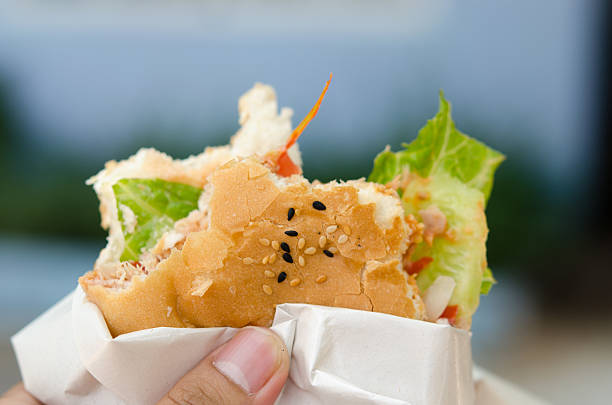
Fast-Casual Food Is Reshaping the Industry
This isn’t just a trend. It’s a structural shift. Traditional fast-food chains are upgrading menus. Casual dining restaurants are shrinking footprints and simplifying service models. Everyone’s watching what fast-casual food brands are doing.
Why? Because the margins make sense. Lower labor costs than full-service restaurants. Higher perceived value than fast food. Faster table turnover. It’s efficient without feeling cheap.
Entrepreneurs see the opportunity too. Opening a fast-casual restaurant doesn’t require the same overhead as a formal dining space. You focus on a strong concept, a tight menu, consistent quality. Done right, it scales.
Look at how niche concepts thrive. A single-item focus like a french fry restaurant can build a loyal following if the product is strong enough. Add creative sauces, limited-time toppings, maybe local ingredients. Suddenly fries are the main attraction, not an afterthought.
That kind of focused concept works in fast-casual dining because customers appreciate specialization. It feels authentic.
What This Means for How We Dine Going Forward
Here’s the blunt truth. We’re not going back to the old way of dining. Fast-casual food changed expectations permanently. We want quality without ceremony. Speed without sacrifice. Atmosphere without pressure.
Full-service restaurants still have their place. So does traditional fast food. But the middle lane — that’s where most traffic is headed.
Fast-casual dining gives us control. It respects our time. It doesn’t treat affordable food like it has to be low quality. And even something as basic as a french fry restaurant can become a destination if it leans into this model.
We dine differently now. More casually, but more consciously. We care about ingredients. We care about transparency. We care about experience, even if it’s just a quick lunch on a Tuesday.
Conclusion
Fast-casual food didn’t just tweak the restaurant industry. It rewired it. It blurred the line between convenience and quality and forced everyone else to catch up. From customizable bowls to upgraded fry concepts at a modern french fry restaurant, the message is clear: diners expect more.
Not white tablecloth more. Just honest, fresh, efficient more.
And honestly? That’s a good thing. Because eating out shouldn’t feel like a gamble. It should feel easy. Thoughtful. Worth your money.
Fast-casual food figured that out. The rest of the industry is still adjusting.
FAQs About Fast-Casual Food
What is fast-casual food?
Fast-casual food is a dining concept that blends the speed of fast food with the higher quality and atmosphere of casual dining. Customers usually order at a counter, but ingredients are fresher, menus are customizable, and the environment feels more modern.
How is fast-casual food different from fast food?
Fast food focuses on speed and low cost, often with standardized menus. Fast-casual dining emphasizes better ingredients, customization, and a more comfortable setting while still serving meals quickly.
Are french fry restaurants considered fast-casual?
Many modern french fry restaurant concepts fall under fast-casual food because they offer upgraded ingredients, creative menu options, and a more curated dining experience rather than traditional fast-food service.
Why is fast-casual food so popular?
It matches what today’s diners want: convenience, quality, customization, and fair pricing. Fast-casual restaurants meet those expectations without the time commitment of full-service dining.


