


Maintaining a comfortable indoor environment is essential on marine vessels, offshore platforms, and compact floating structures. Unlike land-based buildings, marine spaces face constant exposure to humidity, salt air, vibration, and limited ventilation. In such conditions, a well-designed marine air conditioner plays a critical role in ensuring comfort, safety, and operational efficiency.
This article explains how marine air conditioning works, why it is different from residential systems, and what operators should consider when selecting equipment for marine environments.
Why Air Conditioning Is Essential in Marine Environments
Marine vessels often operate in warm and humid regions where heat buildup can quickly affect crew comfort and productivity. Enclosed cabins, control rooms, and accommodation areas can become uncomfortable without effective cooling.
A reliable marine ac helps by:
- Regulating temperature in confined spaces
- Controlling humidity to prevent condensation and mold
- Improving air quality for crew health
- Protecting electronic and navigation equipment from heat damage
Unlike residential units, marine air conditioners must operate consistently despite vessel movement and varying external conditions.
How Marine Air Conditioning Differs from Residential Systems
Marine environments demand specialized air conditioning solutions. Standard household units are not designed to withstand salt exposure, vibration, or continuous operation.
Key differences include:
- Corrosion-resistant materials for humid and salty air
- Reinforced internal components for vibration resistance
- Electrical compatibility with marine power systems
- Compact designs suitable for limited installation space
These factors are why marine-specific air conditioning systems are used instead of standard commercial or residential units.
Understanding Marine Air Conditioning Systems
Modern marine air conditioning systems use controlled airflow, efficient heat exchange, and stable temperature regulation to cool onboard spaces. These systems are designed to deliver consistent performance while minimizing energy consumption.
Common components include:
- Evaporator and condenser units
- Marine-grade compressors
- Insulated refrigerant lines
- Air distribution ducts or wall-mounted outlets
The system design depends on vessel size, layout, and cooling requirements.
Small Marine AC Units for Compact Spaces
Not all vessels require large-capacity cooling systems. Cabins, wheelhouses, and technical rooms often benefit from a small marine AC designed specifically for compact spaces.
Small marine AC units are typically chosen for:
- Crew cabins and sleeping quarters
- Control rooms and navigation areas
- Small boats and service vessels
- Offshore accommodation modules
These systems provide efficient cooling without excessive power consumption or space usage.
Marine AC Split System Explained
A marine AC split system separates the cooling unit into indoor and outdoor components. This design allows for quieter operation inside living spaces and more flexible installation.
Benefits of split systems include:
- Reduced noise in cabins
- Better airflow control
- Easier adaptation to vessel layouts
- Improved maintenance access
Split systems are commonly used on vessels where noise control and comfort are high priorities.
Electrical Considerations and Power Compatibility
Marine vessels often operate on power systems that differ from standard land-based grids. Voltage, frequency, and load stability must be carefully considered when installing air conditioning equipment.
Operators typically evaluate:
- Electrical compatibility with onboard generators
- Energy efficiency to reduce fuel consumption
- Stable operation under fluctuating power loads
- Built-in safety protections
Proper electrical matching ensures reliable operation and extends equipment lifespan.
Durability in Harsh Marine Conditions
Salt air, moisture, and temperature variations can significantly impact equipment longevity. Marine air conditioners are designed with durability in mind to handle these challenges.
Key durability features often include:
- Anti-corrosion coatings
- Sealed electrical components
- Reinforced housings
- Vibration-resistant mounting systems
These features help ensure long-term performance even in demanding environments.
Installation and Space Planning
Space planning is critical onboard vessels. Air conditioning units must fit into confined areas without blocking airflow or access for maintenance.
Good installation planning supports:
- Efficient cooling distribution
- Proper ventilation
- Safe routing of refrigerant lines
- Easy access for servicing
Wall-mounted and split-type systems are often preferred where floor space is limited.
Maintenance and Long-Term Performance
Routine maintenance is essential for keeping marine air conditioning systems operating efficiently. Regular inspections help prevent unexpected failures and maintain cooling performance.
Best practices include:
- Cleaning air filters and coils
- Checking refrigerant levels
- Inspecting electrical connections
- Monitoring noise and vibration
Preventive maintenance reduces downtime and helps maintain a comfortable onboard environment.
Selecting the Right Equipment for Marine Use
When choosing a marine air conditioner, operators focus on real operational needs rather than unnecessary features. Key considerations include:
- Vessel size and layout
- Cooling capacity requirements
- Power availability
- Environmental conditions
- Ease of maintenance
Experienced Marine equipment suppliers often assist in matching the right system to specific vessel requirements.
Conclusion
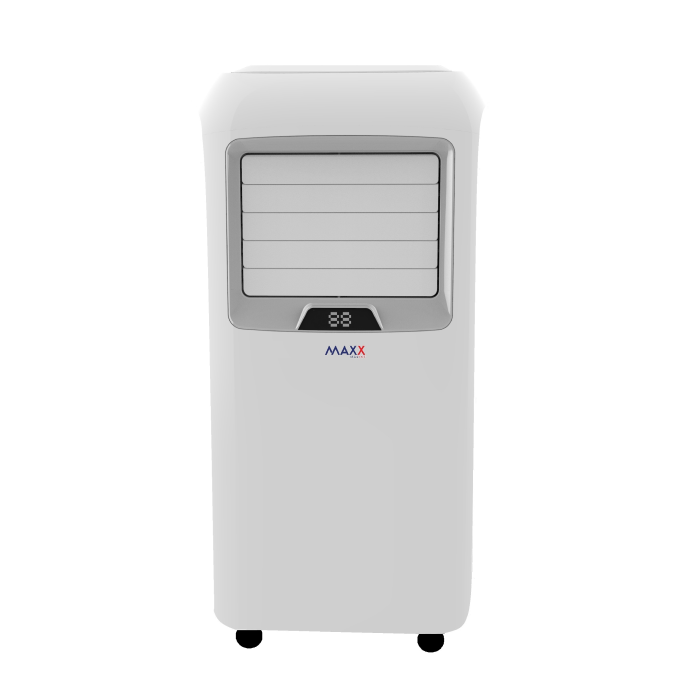
A well-chosen marine air conditioner is essential for comfort, safety, and efficiency in marine and offshore environments. Understanding the differences between marine and residential systems, the role of marine AC split systems, and the benefits of small marine ac units helps operators make informed decisions. By focusing on durability, electrical compatibility, and proper installation, marine air conditioning systems can deliver reliable performance even in challenging conditions.
For operators seeking marine-grade air conditioning solutions designed for real-world offshore use, Teko Marine works with equipment built to meet the demands of marine and commercial environments.


