

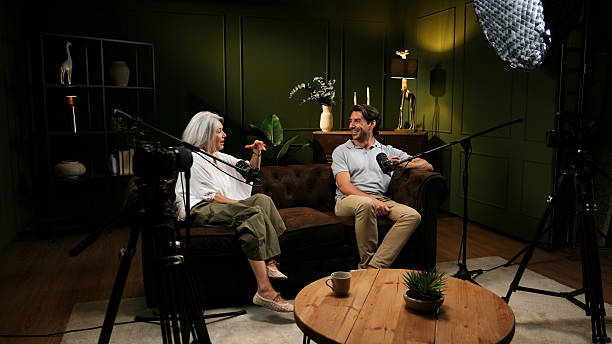
Recording a podcast from home sounds like the easiest option. And sometimes it is. You already have the room, your computer is sitting there, and you can hit record whenever you feel like it. But once the show starts growing, things that seemed minor can become a pain. That’s when podcast studio rental in Austin starts to look pretty appealing. You get a room made for recording, proper equipment, and fewer things fighting for your attention while you’re trying to have a decent conversation.
Starting a Podcast From Home
There’s a reason so many people start at home. It’s cheap, familiar, and nobody has to go anywhere. You can record before work, after dinner, or whenever the house finally gets quiet. For someone experimenting with podcasting, that’s hard to beat. And you really don’t need a massive setup on day one. A solid microphone, headphones, an audio interface, and a reasonably quiet room can get you moving. Throw in a rug, curtains, a couch, or a few other things that absorb sound, and you may get better results than you expected. Not studio quality, maybe, but good enough to learn. The trouble usually starts when life gets involved. Your neighbor decides to mow the lawn. A delivery truck stops outside. Somebody in the house opens a door at exactly the wrong moment. You can’t always control those things. Your microphone doesn’t care that you had a great point in the middle of the sentence.
The Room Matters More Than People Think
A microphone is not some magical little device that only hears the person speaking. It hears the room, too. That’s the bit new podcasters often discover later. Bare walls can throw sound around. Windows bounce it back. An empty room can make voices sound thin and kind of hollow. Even an air conditioner running in the background can become surprisingly obvious once you listen to the recording with headphones. Then there’s consistency. You might record one episode at your desk and another from the dining room because your family is using the office. Suddenly, the sound changes. Your voice has a different amount of echo. The microphone is sitting at another height. It all adds up. Listeners might not know exactly what sounds wrong, but they can hear that something isn’t quite right. And when you’re trying to build a show people return to every week, that stuff matters.
What a Dedicated Studio Changes
A podcast studio takes a lot of those little problems off your plate. The room has been arranged for recording, rather than for working, sleeping, eating, or storing the stuff you didn’t know where else to put. That’s a big difference. You can walk in, get comfortable, check the microphones and start talking. Depending on the studio, you may also have professional cameras, lighting, headphones, and recording equipment available. So if you’re creating video along with your podcast, you don’t have to build a mini production room in your spare bedroom. And yes, video matters now. A full podcast episode might live on YouTube, while smaller clips get posted across social media. One conversation can turn into several pieces of content. If the footage looks dark and the audio sounds rough, though, you’re making your life harder than it needs to be.
Think About the Time You’re Spending
Home recording looks cheaper when you only count the equipment. But there’s another cost people forget about. Time. You set everything up. Then check it. Then check it again because you’re not sure whether the levels are right. You record a short test. There’s a weird noise. You move the microphone. Record again. Sound familiar? After recording, there’s editing. Remove long pauses. Cut mistakes. Clean up background noise. Fix volume differences. Export the file. Maybe create video clips too. Before you know it, a one-hour interview has swallowed half your day. A studio won’t magically make every part of podcasting effortless. Nothing does. But having the technical side handled properly can cut out a lot of unnecessary messing around. For someone running a business, that time can be worth more than the money saved by doing everything at home.
When Production Help Makes Sense
Some podcasters like doing all the technical work themselves. Fair enough. There’s something satisfying about learning the gear and figuring out your own editing style. But not everyone wants to become an audio engineer on the side. A podcast production agency can take care of some or all of the work behind the scenes. That might include recording support, editing, audio cleanup, video editing, publishing, or turning longer conversations into shorter clips. The exact services vary, obviously, but the basic idea is simple: you focus on talking, and somebody else deals with the fiddly stuff. That can be especially useful when the podcast is connected to a company or personal brand. Your time is probably better spent preparing good questions, finding interesting guests, and figuring out what the audience actually wants.
Your Guests Matter Too
Here’s something else worth thinking about. What is the experience like for the person sitting across from you? At home, your guest might have to squeeze around a desk while you move a lamp because it’s blocking the camera. Then there’s the microphone stand, cables everywhere, somebody walking through the room… it can get awkward pretty fast. A dedicated recording space feels more straightforward. People know they’re there to record. The microphones are already in place. Cameras and lighting are where they should be. There’s less clutter and less stopping every five minutes to solve a problem. That can help guests relax. And relaxed guests usually give better interviews. They tell better stories. They go a little deeper. Sometimes the best part of an episode comes from a question that leads somewhere unexpected, and you don’t want technical nonsense killing that moment.
So, Should You Rent a Studio?
The short answer is: maybe. It really depends on where you are with your podcast. If you’re just starting and still figuring things out, home recording is completely reasonable. Spend some time learning the basics. See if you actually enjoy making episodes before spending serious money on production. But if the podcast is becoming a regular thing, the calculation changes. Maybe you have guests every week. Maybe you’re using the show to promote your business. Maybe you want proper video content as well. Or maybe you’re simply tired of fighting with your equipment every time you record. In those situations, renting a professional recording space can save a surprising amount of frustration.
The Better Setup Is the One You’ll Actually Use
There isn’t a universal winner here. Home recording gives you freedom, and that’s valuable. You can work in your pajamas; nobody’s judging. You can stop and restart whenever you want. For some creators, that’s exactly what they need. A studio, on the other hand, gives you structure. Better acoustics. Reliable equipment. A controlled environment. Often, support when something goes wrong. A podcast production agency can also help with the technical side of recording, editing, and producing episodes when you want more support than a home setup can provide. Truth is, the “best” setup isn’t necessarily the one with the most expensive microphone or the fanciest room. It’s the one that helps you consistently make good episodes without making the process miserable. If recording at home is working, keep doing it. There’s no prize for spending money you don’t need to spend. But when the home setup starts getting in the way of the podcast itself, a studio rental can be a pretty sensible next step. Sometimes paying for the right space is less about looking professional and more about finally being able to concentrate on the conversation.


