


As automotive lighting technology continues to evolve rapidly, drivers in 2026 are no longer limited to traditional halogen systems. The real competition now sits between LED (Light Emitting Diode) and HID (High-Intensity Discharge) headlights. Both technologies promise brighter roads, improved visibility, and safer nighttime driving—but they achieve these results in very different ways.
For drivers researching upgrades on platforms like sealight-led.com, understanding this comparison is essential before making a purchase decision.
Understanding the Basics: LED vs HID Headlights
Before deciding which technology wins, it’s important to understand how they work.
LED Headlights
LED headlights use semiconductor technology to produce light when electricity passes through a diode. They are known for:
- Instant full brightness (no warm-up time)
- High energy efficiency
- Long lifespan (often 30,000–50,000 hours)
- Compact and modern design
Brands like SEALIGHT have become leaders in this category, offering advanced plug-and-play LED upgrades designed for a wide range of vehicles. Their product lineup on sealight-led.com focuses on high-lumen output, beam precision, and easy installation.
HID Headlights
HID (Xenon) headlights work by creating an electric arc between two electrodes inside a gas-filled bulb. They are known for:
- Extremely high brightness output
- Strong long-distance visibility
- Distinct bluish-white color temperature
Many drivers still search for the brightest HID bulbs when upgrading older vehicles, especially those who prefer a traditional high-intensity beam pattern.
However, HID systems require ballasts, take time to warm up, and can sometimes produce uneven light distribution compared to modern LEDs.
LED vs HID: Head-to-Head Comparison in 2026
1. Brightness and Visibility
HID systems historically dominated in raw brightness. They produce a strong beam that can reach far distances, which is why many enthusiasts still prefer them.
However, modern LED technology has significantly closed the gap. SEALIGHT LED bulbs, for example, now deliver high lumen output with improved beam focus, reducing glare while increasing road clarity.
Winner: LED (by 2026 standards)
2. Energy Efficiency
LED headlights consume significantly less power than HID systems. This reduces strain on a vehicle’s electrical system and improves overall efficiency.
Winner: LED
3. Lifespan and Durability
LEDs: 30,000–50,000+ hours
HIDs: 2,000–10,000 hours (typically)
LEDs also handle vibration and temperature changes better, making them more suitable for long-term use.
Winner: LED
4. Installation and Maintenance
HID kits require ballasts and additional wiring, making installation more complex. LEDs, especially plug-and-play models from SEALIGHT, are designed for easy installation without major modifications.
Drivers upgrading through sealight-led.com often highlight how quickly they can switch from halogen or HID systems to LED.
Winner: LED
5. Cost Considerations
HID systems may have a lower upfront cost in some cases, but LEDs offer better long-term value due to durability and efficiency.
Additionally, LEDs reduce replacement frequency, saving money over time.
Winner: LED
Where HID Still Holds Its Ground
Despite LED dominance in 2026, HID headlights still have a loyal following. Some drivers prefer:
- The classic xenon glow
- Strong high-beam throw in older projector housings
- Aftermarket tuning aesthetics
This is why searches for car light bulbs still include both HID and LED options, depending on vehicle type and driver preference.
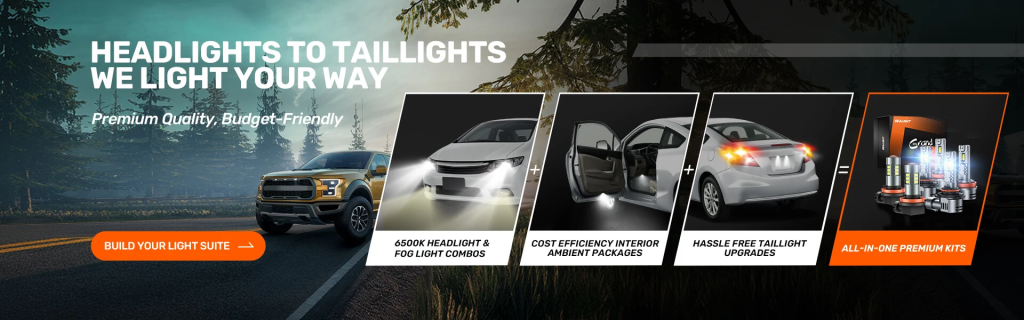
Why SEALIGHT LED Technology Leads the Market
SEALIGHT has become a key player in modern automotive lighting by focusing on:
- Advanced cooling systems to extend lifespan
- High-lumen LED chips for brighter output
- Precision beam patterns to reduce glare
- Plug-and-play installation for most vehicles
Unlike traditional HID kits, SEALIGHT LED bulbs are designed for everyday drivers who want performance without complexity.
By browsing sealight-led.com, customers can explore LED upgrades tailored for fog lights, headlights, and off-road use—making it easier to transition away from older HID systems.
Final Verdict: Which Wins in 2026?
When comparing LED vs HID headlights in 2026, the conclusion is clear:
LED technology is the overall winner.
While HID still offers strong brightness and remains popular among enthusiasts, LED headlights outperform in nearly every major category—efficiency, lifespan, installation, and modern driving safety.
For drivers upgrading today, SEALIGHT LED solutions provide a future-ready option that balances brightness, reliability, and ease of use.
Conclusion
The automotive lighting industry is clearly shifting toward LED dominance. HID technology still has niche appeal, but the advantages of LED systems—especially those from innovative brands like SEALIGHT—make them the preferred choice for most drivers in 2026.
Whether you’re searching for upgraded brightest HID bulbs or exploring modern car light bulbs, the real upgrade path today points toward high-performance LED lighting available at sealight-led.com.


