

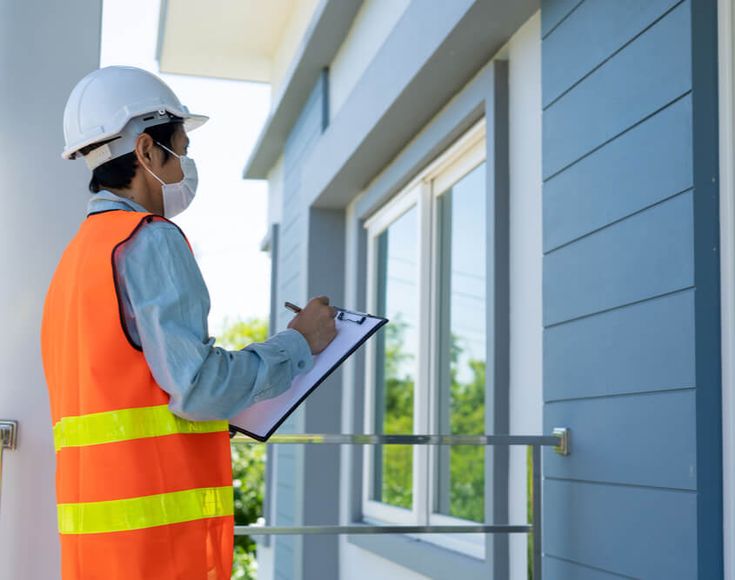
A property can look attractive during a visit while still having areas that deserve closer attention. Age, weather exposure, daily use, previous repairs, and maintenance history can all affect the condition of a building. A Property Inspection provides a structured review of accessible components and visible conditions throughout the property. The process may include the roof, exterior, foundation, plumbing, electrical components, heating and cooling equipment, interior rooms, and other accessible areas. The information collected can help buyers, sellers, homeowners, and property managers better understand the building before making important decisions.
Examining the Exterior of the Building
The exterior is constantly exposed to rain, wind, sunlight, temperature changes, and moisture. Over time, siding, exterior walls, doors, windows, porches, decks, walkways, and drainage areas can develop signs of wear or damage. A Property Inspection can help identify visible cracks, damaged materials, deteriorated surfaces, and drainage concerns. Exterior observations are important because water entry and poor drainage can sometimes affect interior spaces and structural components. Reviewing these areas regularly can help property owners recognize maintenance needs before they become more difficult to manage.
Reviewing Roofing Components
The roof plays an important role in protecting the building from weather conditions. Roofing materials, flashing, gutters, roof penetrations, and drainage components may all require periodic attention. During a Property Inspection in Charlotte, accessible roof areas can be reviewed for visible signs of wear, damage, or deterioration. Missing materials, damaged shingles, visible leaks, and drainage concerns may indicate a need for further evaluation. Roof access depends on factors such as height, design, weather conditions, and safety limitations, so some observations may be made from accessible locations.
Checking the Foundation and Structure
The foundation and structural components support the building and help maintain its stability. Visible cracks, uneven surfaces, damaged supports, signs of movement, and moisture entry may be observed during an inspection. A Property Inspection can document accessible conditions involving the foundation and structure. Not every crack or irregularity indicates a major structural issue, so the location, pattern, size, and surrounding conditions should be considered. When an inspector observes a significant concern, further evaluation by an appropriate specialist may be recommended.
Inspecting Plumbing Components
Plumbing systems supply water to fixtures and remove wastewater from the property. Accessible pipes, faucets, sinks, toilets, drains, water heaters, and other components can show signs of leaks, corrosion, drainage problems, or general wear. A Property Inspection can review visible plumbing conditions and basic operation at the time of the inspection. Hidden piping and internal system problems may require additional testing. Identifying visible concerns can help property owners plan maintenance and determine when further plumbing evaluation may be useful.
Evaluating Electrical Systems
Electrical components support lighting, appliances, outlets, heating and cooling equipment, and other building systems. Accessible electrical panels, outlets, switches, fixtures, and visible wiring may be examined for observable conditions. A Property Inspection can document damaged components, unusual installations, or other visible concerns that may require additional review. Complex electrical issues are not always identifiable through a standard visual inspection. When a concern is found, a qualified electrician may be needed to provide a more detailed evaluation.
Reviewing Heating and Cooling Equipment
Heating and cooling systems help maintain comfortable indoor conditions throughout the year. Accessible HVAC equipment may be examined for visible condition, basic operation, installation concerns, and other observable issues. A Property Inspection can provide useful information about the general state of heating and cooling components, but it may not determine the exact remaining service life of the equipment. Unusual sounds, visible damage, or poor performance may indicate that further evaluation by an HVAC specialist is appropriate.
Examining Interior Areas
Interior rooms can reveal signs of wear, moisture, damage, or other conditions that may need attention. Walls, ceilings, floors, doors, windows, stairs, railings, cabinets, and other accessible components can be reviewed. A Property Inspection can document visible concerns throughout kitchens, bathrooms, bedrooms, living spaces, basements, and other areas. Furniture, stored belongings, wall coverings, and other obstacles may limit access to certain parts of the property. Inspection findings are based on conditions that can be observed at the time of the review.
Checking for Moisture and Drainage Concerns
Water and moisture can affect many areas of a building. Stains, damp surfaces, damaged materials, condensation, musty odors, and visible drainage problems can indicate conditions that deserve attention. A Property Inspection can identify observable signs of moisture and note areas where additional investigation may be appropriate. Bathrooms, kitchens, attics, basements, crawl spaces, exterior walls, and foundation areas can all be relevant. Specialized testing may be needed when the source or extent of moisture cannot be determined through a visual review.
Reviewing Attics and Crawl Spaces
Attics and crawl spaces may contain important information about the property’s overall condition. These areas can reveal visible signs of moisture, insulation concerns, ventilation problems, damaged structural components, or pest activity. A Property Inspection can include accessible portions of these spaces when conditions allow safe entry. Some areas may have limited access because of their design, stored items, or safety conditions. Observing accessible attic and crawl space components can provide useful information about areas that are not visible from the main living spaces.
Inspections Before Buying a Property
Purchasing a property is a major decision, and a standard viewing may not reveal all visible maintenance concerns. Buyers can use inspection findings to better understand the condition of major systems and accessible components before completing a transaction. A Property Inspection can identify observable defects, signs of wear, maintenance concerns, and areas that may need further evaluation. Buyers can consider this information alongside the property’s age, location, purchase price, and expected maintenance costs when planning their investment.
Inspections Before Selling a Property
Sellers may also choose to have their property inspected before placing it on the market. Understanding visible conditions in advance can help property owners identify areas that may require maintenance or additional evaluation. A Property Inspection can provide useful information before potential buyers conduct their own review. Addressing certain concerns before listing may help sellers prepare the property and reduce unexpected findings later in the transaction. An inspection cannot predict every future issue or identify conditions hidden behind walls and other inaccessible areas.
Making Informed Property Decisions
A detailed inspection can provide useful information about the condition of many important building components. The roof, exterior, foundation, structure, plumbing, electrical system, HVAC equipment, interior areas, and moisture-related conditions can all contribute to the overall picture of a property. A Property Inspection helps document observable conditions so buyers, sellers, homeowners, and property managers can make better-informed decisions. Inspection findings can support maintenance planning, repair priorities, budgeting, and future improvements based on the visible condition of the property.


