

Introduction to Rhinoplasty in Dubai
Patient care and safety are essential considerations when deciding whether to undergo cosmetic or functional nasal surgery. Although many people focus primarily on the appearance of their nose, a successful treatment journey also depends on careful assessment, appropriate surgical planning, informed consent, and consistent postoperative care. Understanding these factors before surgery can help patients make decisions based on realistic expectations rather than promotional promises.
Rhinoplasty in Dubai is a surgical procedure that may reshape the nose, address selected structural concerns, or combine aesthetic changes with functional improvements. Depending on an individual’s anatomy and goals, treatment may involve modifying the nasal bridge, refining the tip, adjusting the nostrils, improving symmetry, or correcting certain structural abnormalities. Every patient has different needs, so the procedure should be planned according to a professional assessment.
At Perfect Doctors Clinic, patients can discuss their concerns, ask questions about treatment options, and learn about the considerations involved in nasal surgery. Before proceeding, it is important to understand the possible benefits, limitations, risks, recovery requirements, and costs.
This article explores patient care and safety throughout the rhinoplasty journey, from the first consultation to postoperative monitoring. It also explains how to research a provider, prepare for surgery, understand recovery, and make informed decisions about treatment.
Why Patient Safety Matters for Rhinoplasty Dubai
Rhinoplasty Dubai is a common search phrase among people researching nasal surgery. However, choosing a location or finding an attractive before-and-after photograph is only one part of the decision-making process. Patient safety should remain central throughout the journey.
Rhinoplasty involves delicate structures made up of bone, cartilage, skin, and soft tissue. Changes to one part of the nose can affect other features, including its overall shape and, in some cases, its ability to function properly. The procedure also involves the usual risks associated with surgery and anaesthesia.
A careful treatment plan should consider:
- The patient’s medical history and general health.
- The shape and strength of the nasal bones and cartilage.
- Skin thickness and soft-tissue characteristics.
- Existing breathing difficulties or structural concerns.
- Previous nasal injuries or operations.
- The patient’s expectations and reasons for considering surgery.
- The availability of appropriate postoperative monitoring.
Patients should receive clear information about the proposed procedure, potential complications, and available alternatives. They should also have the opportunity to ask questions and take time to decide whether surgery is right for them.
No surgical procedure is entirely risk-free. Responsible patient care involves identifying relevant risks, explaining them clearly, and planning appropriate measures to reduce and manage complications.
Choosing a Rhinoplasty Clinic in Dubai
Selecting an appropriate provider is one of the most important steps before surgery. A Rhinoplasty clinic in Dubai should provide clear information about professional qualifications, the consultation process, surgical arrangements, anaesthesia, and postoperative care.
Patients considering Perfect Doctors Clinic can use their consultation to discuss their goals, understand the recommended treatment, and clarify how their care will be organised before and after the procedure.
Before making a decision, consider asking the following questions:
- What qualifications and relevant experience does the operating surgeon have?
- Who will perform the surgery and oversee postoperative care?
- Which surgical technique is recommended for my anatomy?
- What are the potential benefits, risks, and limitations?
- What arrangements are available if a complication occurs?
- How many follow-up appointments should I expect?
- What is included in the treatment estimate?
- Whom should I contact if I have concerns after leaving the facility?
Patients should feel comfortable asking questions and requesting explanations in straightforward language. Clear communication helps ensure that expectations, responsibilities, and recovery instructions are understood.
Avoid choosing a provider solely because of promotional offers or claims of guaranteed results. Appropriate qualifications, transparent information, and a suitable treatment plan are more meaningful considerations.
Best Rhinoplasty Surgeons in Dubai: Qualifications and Patient Care
When researching the Best rhinoplasty surgeons in Dubai, patients should evaluate relevant qualifications, experience with nasal procedures, communication, and commitment to patient safety.
Rhinoplasty requires an understanding of both nasal appearance and structural function. A surgeon should be able to explain how the proposed changes may affect the bridge, tip, nostrils, and supporting framework. If the patient has breathing difficulties, these should be assessed rather than treated as an unrelated concern.
During the consultation, ask about experience with procedures similar to the one being considered. For example, refining a nasal tip may involve different considerations from correcting a crooked nose or performing revision surgery.
Patients should also understand who will provide postoperative instructions and how concerns will be managed after the operation. A good treatment plan includes more than the surgery itself; it also considers follow-up, recovery support, and the possibility of unexpected problems.
The phrase Best rhinoplasty surgeons in Dubai may be useful during online research, but rankings and promotional descriptions do not establish suitability for an individual patient. The decision should be based on verified professional information, a thorough consultation, and a clear understanding of the proposed procedure.
Best Rhinoplasty Surgeon in Dubai: Making an Informed Choice
Finding the Best rhinoplasty surgeon in Dubai involves assessing whether the clinician understands your concerns, explains the available options, and provides realistic expectations.
A responsible consultation should cover the patient’s goals, medical history, nasal anatomy, likely benefits, potential complications, and expected recovery. The clinician should explain what can reasonably be changed and which features may remain limited by the existing structure.
At Perfect Doctors Clinic, patients can discuss their concerns and seek clarification about the treatment process. Before consenting, confirm who will perform the operation, which facility will be used, and how postoperative care will be provided.
Be cautious about promises of perfect symmetry, guaranteed breathing improvements, or identical results to another patient. Healing varies, and the final appearance depends on several factors, including anatomy, skin characteristics, surgical technique, and individual tissue response.
An informed decision is one made after understanding both the potential benefits and the limitations of surgery.
Rhinoplasty Treatment Options and Individual Assessment
Rhinoplasty treatment options vary according to the patient’s goals, nasal anatomy, medical history, and the type of correction required. The appropriate approach should be determined through an individual clinical assessment.
Open Rhinoplasty
Open rhinoplasty involves an incision across the columella, the tissue between the nostrils, together with incisions inside the nose. This approach allows direct access to the underlying nasal framework.
It may be considered when detailed structural changes are required, including certain complex tip modifications. The decision to use an open approach depends on the clinical circumstances and the surgeon’s assessment.
Closed Rhinoplasty
Closed rhinoplasty uses incisions inside the nostrils. It may be suitable for selected cases in which the planned changes can be performed through internal access.
Neither open nor closed rhinoplasty is automatically the best option for every patient. The choice depends on the required correction, the anatomy involved, and the treatment goals.
Functional Rhinoplasty
Functional rhinoplasty may address selected structural problems that affect nasal airflow. The procedure may be considered when an anatomical issue contributes to breathing difficulties.
However, nasal obstruction can have several causes, including septal deviation, swelling of internal nasal tissues, or other conditions. A professional assessment is necessary to determine the cause and whether rhinoplasty or another treatment is appropriate.
Revision Rhinoplasty
Revision rhinoplasty involves further surgery after an earlier nasal procedure. Patients may consider it because of persistent aesthetic concerns, structural irregularities, or breathing difficulties.
Revision procedures can be more complex because previous surgery may have changed the cartilage, created scar tissue, or reduced available structural support. Patients should discuss the potential benefits, risks, limitations, and timing before considering another operation.
Rhinoplasty Procedures in Dubai: Safety Before Surgery
The phrase Rhinoplasty procedures in Dubai covers different approaches to reshaping the nose and addressing selected structural concerns. Understanding the proposed procedure helps patients prepare for the requirements and potential risks associated with treatment.
Before surgery, the clinician should review the patient’s health, medications, allergies, previous procedures, and any relevant symptoms. Depending on the individual’s circumstances, additional examinations or tests may be recommended.
Patients should disclose all medications and supplements, including non-prescription products. Some substances can affect bleeding or interact with anaesthesia, so any changes should be guided by the treating clinician.
Follow all instructions about eating and drinking before anaesthesia. Do not assume that general online guidance replaces the instructions provided for your own procedure.
Patients should also ask about the surgical facility, anaesthesia arrangements, infection-prevention practices, and what happens if additional medical care is needed. Understanding these arrangements can help patients make an informed decision.
Medical History and Preoperative Assessment
A preoperative assessment is an important part of safe surgical planning. It helps the clinical team identify health factors that may affect anaesthesia, healing, or the risk of complications.
Patients should provide accurate information about:
- Existing medical conditions.
- Previous operations and reactions to anaesthesia.
- Allergies and medication sensitivities.
- Prescription medicines and supplements.
- Smoking, nicotine use, and alcohol consumption.
- Previous nasal injuries or breathing problems.
- Recent illnesses or infections.
The clinician may recommend specific tests depending on the patient’s history and the procedure planned. Not every patient requires the same assessments, so testing should be based on clinical needs.
Patients should not stop prescribed medication independently or begin supplements to improve healing without medical advice. Decisions about medication changes must be made by the treating team.
It is equally important to discuss expectations honestly. If a patient’s goals are unrealistic or the potential risks outweigh the likely benefits, the clinician may recommend reconsidering or postponing surgery.
Informed Consent and Understanding Surgical Risks
Informed consent means understanding the procedure before agreeing to undergo it. Patients should receive an explanation of the proposed surgery, its potential benefits, significant risks, alternatives, and likely recovery requirements.
Possible risks of rhinoplasty include bleeding, infection, reactions to anaesthesia, persistent swelling, scarring, changes in sensation, asymmetry, dissatisfaction with appearance, and breathing difficulties. Some patients may require additional treatment or revision surgery. The specific risks vary according to the procedure and individual circumstances.
Patients should ask which complications are most relevant to their case and how they would be managed. They should also understand that no surgeon can guarantee an exact aesthetic outcome.
Consent should not feel rushed. If any part of the procedure or recovery plan is unclear, ask for clarification before signing. An opportunity to consider the information helps patients make decisions that reflect their own preferences and circumstances.
Preparing for Surgery and Organising Patient Support
Practical preparation can reduce stress and help patients follow postoperative instructions. Before the procedure, arrange transportation, prepare a comfortable resting area, and ensure that essential items are easy to reach.
Depending on the anaesthesia and procedure, patients may need a responsible adult to accompany them home and assist them during the initial recovery period. Follow the instructions provided by the clinical team.
Prepare simple meals, arrange time away from work, and postpone demanding household tasks. If you are travelling for surgery, organise accommodation and follow-up appointments in advance.
Patients should also know how to contact their clinical team after discharge. Keep written postoperative instructions and relevant contact details somewhere accessible.
These arrangements do not eliminate surgical risks, but they can make recovery more manageable and help patients respond appropriately if questions or concerns arise.
Rhinoplasty Recovery: The Importance of Postoperative Care
Rhinoplasty recovery varies according to the extent of surgery, the technique used, and the patient’s individual healing response. Following personalised instructions is important for protecting the nose and monitoring progress.
The First Few Days
Swelling, bruising, congestion, and discomfort may occur after surgery. A splint or dressing may be used to protect the nose during early healing.
Rest as directed and avoid touching, pressing, or manipulating the nose. Follow instructions about sleeping position, medications, cleaning, and keeping dressings dry.
Do not remove a splint or internal support yourself. Attend scheduled follow-up appointments so the treating clinician can assess healing and manage dressings when appropriate.
The First Few Weeks
Some swelling and bruising may remain after the initial recovery period. Patients should gradually return to daily activities according to medical advice and avoid strenuous exercise, heavy lifting, and activities that risk impact to the nose until cleared.
Do not blow your nose or use nasal products unless the treating team confirms that these actions are appropriate. Ask when it is safe to resume skincare, makeup, swimming, and other activities.
Longer-Term Healing
The nose can continue to change for several months as swelling subsides. Subtle swelling around the tip may take longer to resolve than swelling in other areas.
Attend follow-up appointments even if the nose appears to be healing well. The internal structures may still be recovering, and the clinician can advise when activities can safely resume.
Rhinoplasty Before and After: Setting Realistic Expectations
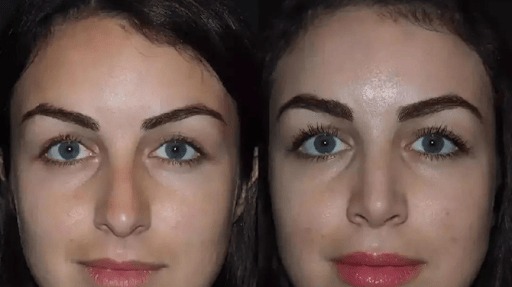
Rhinoplasty before and after photographs can help patients understand the types of changes that may be possible. However, these images should be viewed as examples rather than guarantees.
Lighting, camera angles, facial expressions, and swelling can influence how the nose appears in photographs. The starting anatomy also matters: a patient with thick skin or a complex structural concern may have a different outcome from someone with a different nasal structure.
Ask whether the photographs represent early recovery or a more settled result. Consider whether the examples show features similar to your own and discuss which changes may realistically be achieved.
It is also important to recognise that complete symmetry cannot be guaranteed. Natural facial asymmetry and individual healing responses can influence the final appearance.
A consultation should establish realistic goals and explain the limitations of surgery before treatment begins.
Rhinoplasty Results: Monitoring Healing and Outcomes
Rhinoplasty results depend on the initial nasal structure, surgical technique, skin thickness, healing response, and adherence to postoperative instructions.
Early swelling can temporarily obscure the shape of the nose. Patients should avoid judging the final outcome too soon or comparing their progress with another person’s recovery.
If the nose appears uneven during early healing, it does not necessarily mean the final result will remain uneven. However, patients should contact their treating clinician if they have concerns rather than attempting to manipulate the nose themselves.
The clinician can monitor healing, answer questions, and determine whether any further assessment is required. In some cases, persistent concerns may need additional evaluation after sufficient healing has occurred.
A realistic understanding of the recovery timeline helps patients recognise that results develop gradually rather than immediately after surgery.
Patient Safety During Rhinoplasty Recovery
Safe recovery depends on following the instructions provided by the treating team and seeking help when symptoms are unexpected.
Patients should take prescribed medication as directed and avoid starting new medicines or supplements without checking whether they are appropriate. Smoking and nicotine can interfere with healing, so patients should discuss cessation with their clinician.
Protect the nose from accidental impact and avoid contact sports until cleared. If your work involves heavy lifting or strenuous activity, ask when it is safe to return.
Contact the treating team promptly if pain is worsening, swelling increases unexpectedly, fever develops, or there is unusual discharge. Heavy or persistent bleeding, vision changes, severe breathing difficulty, or other serious symptoms may require urgent medical assessment.
Do not wait for a routine appointment if symptoms are severe. Knowing how to contact the clinical team and where to seek urgent care is an important part of postoperative planning.
Rhinoplasty Cost in Dubai: Transparency and Planning
The Rhinoplasty cost in Dubai may vary according to surgical complexity, professional fees, anaesthesia, facility charges, medical assessments, and postoperative care.
A straightforward primary procedure may have different requirements from revision surgery or a procedure that combines aesthetic and functional changes. Individual medical needs can also influence the overall estimate.
Before proceeding, request a written cost breakdown and clarify whether the following are included:
- Initial consultation and preoperative assessment.
- Medical tests, if required.
- Surgeon and anaesthesia fees.
- Operating facility charges.
- Prescribed medication and dressings.
- Scheduled postoperative appointments.
- Additional services relevant to the planned treatment.
The phrase Rhinoplasrty cost in Dubai is included as your specified internal-link keyword. When publishing, link it to a relevant page about rhinoplasty pricing and ensure the information on that page is accurate and current.
Patients should also consider practical expenses such as transportation, accommodation, and time away from work. The lowest advertised price does not necessarily represent the best value if important aspects of safety or aftercare are unclear.
Transparent pricing helps patients understand their financial commitments before making a decision.
Dr Perfect Celebrity and Patient Care Considerations
Patients searching for Dr perfect celebrity should verify the clinician’s current qualifications, professional role, and involvement in their proposed procedure directly with the clinic.
Before surgery, ask who will perform the operation, who will oversee postoperative care, and how follow-up appointments will be arranged. Make sure the treatment plan, possible risks, and recovery requirements are clearly explained.
At Perfect Doctors Clinic, patients can discuss their concerns and ask questions about the proposed treatment. They should confirm the relevant clinical details during consultation rather than relying on assumptions or promotional descriptions.
A safe treatment journey requires open communication, informed consent, appropriate assessment, and a clear plan for managing postoperative concerns.
Best Plastic Surgeon in Dubai: Evaluating Aftercare
Researching the Best Plastic surgeon in Dubai can help patients prepare questions about qualifications, experience, and postoperative support.
Aftercare should include clear instructions about wound care, medications, activity restrictions, follow-up appointments, and symptoms that require medical attention. Patients should know whom to contact if they have concerns outside scheduled appointments.
Follow-up visits allow the clinician to review healing and advise when activities can safely resume. Patients should not skip these appointments simply because swelling has improved or the nose looks better.
Before consenting to surgery, clarify what postoperative care is included in the treatment plan and whether additional assessments may involve extra costs.
Best Doctors in Dubai: Making an Informed Decision
People searching for the Best doctors in dubai should assess relevant qualifications, experience, communication, and access to appropriate follow-up care.
A useful consultation should explain why a procedure is recommended, what alternatives may be available, and what limitations are associated with the patient’s anatomy. Patients should be able to ask questions without feeling pressured to proceed.
Avoid relying solely on online rankings, promotional wording, or promises of guaranteed results. Instead, evaluate the quality of the clinical information and whether the proposed treatment matches your needs.
Choosing surgery should be a considered decision based on realistic expectations, an understanding of risks, and confidence that the treatment plan has been clearly explained.
Conclusion: Prioritising Patient Care and Safety
Rhinoplasty in Dubai involves more than reshaping the nose. Patient safety depends on appropriate assessment, relevant professional qualifications, informed consent, careful surgical planning, and consistent postoperative care.
Before proceeding, patients should understand the proposed technique, potential risks, recovery requirements, costs, and limitations of the expected outcome. They should also arrange practical support and know how to obtain medical advice if an unexpected symptom develops.
When considering Perfect Doctors Clinic, discuss your concerns, medical history, treatment goals, and follow-up arrangements during a professional consultation. Careful preparation and clear communication can help you make an informed decision about whether rhinoplasty is suitable for your needs.
Frequently Asked Questions
1. What should I consider before Rhinoplasty in Dubai?
Consider your goals, medical history, the surgeon’s qualifications, available procedures, potential risks, recovery requirements, and total cost. A professional consultation can help determine whether surgery is suitable for your circumstances.
2. How do I choose a Rhinoplasty clinic in Dubai?
Review the clinician’s relevant qualifications and experience, ask about patient safety and postoperative care, and ensure that the proposed treatment is clearly explained. Avoid relying only on advertising claims or promises of guaranteed results.
3. What are the main Rhinoplasty treatment options?
Options may include open rhinoplasty, closed rhinoplasty, functional rhinoplasty, and revision rhinoplasty. The appropriate approach depends on nasal anatomy, treatment goals, medical history, and the required correction.
4. How long does Rhinoplasty recovery take?
Initial recovery often takes one to two weeks, but swelling can continue for several months. The final appearance may take a year or longer to settle, depending on the procedure and individual healing.
5. What affects Rhinoplasty cost in Dubai?
Costs may depend on surgical complexity, professional fees, anaesthesia, facility charges, tests, and postoperative care. Request a written estimate that clearly explains what is included.
6. Can rhinoplasty improve breathing?
Rhinoplasty may address selected structural problems affecting nasal airflow. However, breathing difficulties have several possible causes, so a clinical assessment is needed to determine the appropriate treatment.
7. Are Rhinoplasty before and after photographs reliable?
Photographs can illustrate possible changes, but lighting, camera angles, swelling, and individual anatomy influence appearance. They cannot guarantee that another patient will achieve the same result.
8. What are the common risks of rhinoplasty?
Potential risks include bleeding, infection, anaesthesia-related complications, persistent swelling, asymmetry, scarring, breathing problems, and dissatisfaction with appearance. Individual risks should be discussed with the treating clinician.
9. When should I contact my clinician after rhinoplasty?
Contact the treating team if you experience worsening pain, unexpected swelling, fever, or unusual discharge. Heavy bleeding, vision changes, or severe breathing difficulty may require urgent medical assessment.
10. Does patient care continue after rhinoplasty surgery?
Yes. Postoperative care includes following medical instructions, attending scheduled appointments, monitoring healing, and seeking advice about unexpected symptoms. Follow-up helps the clinical team assess progress and guide recovery.


