


There’s a lot of confusion out there about what these upgraded insulation products actually do versus what the marketing implies. Some people think it’s a magic barrier that stops every possible pest cold. Others assume it’s basically the same as regular insulation with a fancier label slapped on. Neither is accurate, and honestly the real answer is more nuanced than most product pages bother explaining.
Starting With What Regular Insulation Actually Attracts
Standard fiberglass batting is soft, warm, and easy to manipulate, which unfortunately makes it appealing to a pretty wide range of pests, not just one specific animal. Rodents obviously come to mind first, but insects, certain bird species looking for nesting material, and even things like termites in some conditions can find standard insulation more hospitable than you’d expect. This is really the starting point for understanding why upgraded options exist in the first place.
Once you understand how many different pests can potentially exploit soft, undisturbed insulation, it makes a lot more sense why manufacturers developed materials specifically designed to discourage this kind of activity broadly.
The Actual Difference Between Rodent Focused And Pest Resistant Options
Rodent resistant insulation is generally engineered specifically around discouraging rats, mice, and similar animals, using denser materials or textures those species find harder to chew through and less appealing to nest in. Pest resistant insulation is a bit broader in scope, sometimes incorporating properties meant to discourage insects and other pests too, not just rodents specifically. There’s genuine overlap between the two, but they’re not always interchangeable terms depending on the specific product and manufacturer.
Understanding this distinction matters when you’re actually shopping, since a product marketed heavily toward one category might not address every pest concern you’re actually dealing with on your property.
Why Density Is The Real Deciding Factor
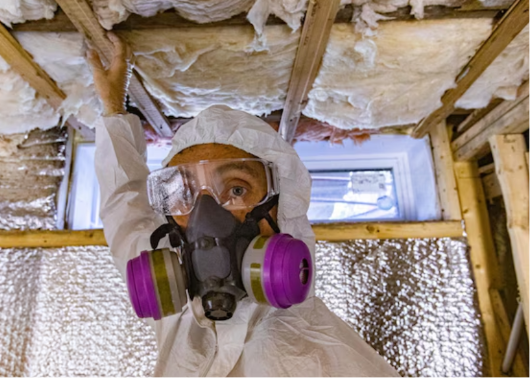
Regardless of which specific term a product uses, the actual performance usually comes down to material density and texture. Tightly packed fibers, certain treated cellulose products, or rigid foam options tend to perform better across the board simply because they’re physically harder to tear apart or burrow into compared to standard fluffy batting. This applies whether you’re primarily worried about rats, insects, or a mix of different pest concerns.
This is honestly more useful to focus on than getting caught up in exact marketing terminology, since the underlying material science matters more than whatever label happens to be on the packaging.
No Insulation Is Actually Pest Proof
I want to be upfront about this because it gets oversold constantly. Nothing is truly immune to every pest given enough time, motivation, and access. What these upgraded materials genuinely offer is a significant increase in difficulty, which in practice discourages a lot of nesting or infestation attempts before they even get established. Think of it as raising the bar rather than building an impenetrable wall.
This distinction matters for setting realistic expectations. If you’re expecting complete immunity from any upgrade, you’re likely to be disappointed even with a quality product installed correctly.
Sealing Still Has To Happen Regardless Of Insulation Choice
This is genuinely the most important point in this whole conversation, and it applies no matter which upgraded material you choose. Insulation, however resistant, does nothing to stop an animal or insect from physically getting into your attic or wall cavity in the first place. Sealing entry points properly needs to happen as its own dedicated step, using materials appropriate for whatever you’re actually dealing with, whether that’s steel mesh for rodents or different sealants for insect-related concerns.
Skipping this step and relying purely on insulation type to solve the problem is one of the most common mistakes homeowners make when trying to address pest issues proactively.
Cost Differences Worth Understanding Before You Buy
Upgraded materials, whether marketed as rodent resistant or more broadly pest resistant, typically cost more than standard fiberglass, sometimes significantly depending on the specific product and how much square footage needs covering. This is a legitimate consideration, especially for larger attics where price differences add up substantially across the whole project.
That said, weighing the upfront cost against repeated pest removal calls, insulation replacement from ongoing damage, and energy loss from compromised material tends to shift the math in favor of the upgrade over a reasonable timeframe, especially for homes with any history of pest activity.
When Existing Damage Changes The Calculation
If you’re dealing with insulation that’s already been compromised by past pest activity, whether rodents, insects, or something else, that material genuinely needs full removal before any upgraded product goes in. Installing new insulation over contaminated or already-damaged material basically wastes the investment and can leave lingering health or structural issues unaddressed underneath the new layer.
This step is easy to skip when trying to minimize project cost, but doing so tends to undermine the whole point of upgrading in the first place.
Different Pests Need Slightly Different Considerations
While there’s real overlap in what makes insulation harder to exploit generally, rodents and insects don’t behave identically. Rodents respond mostly to physical difficulty chewing and nesting comfort, while certain pest resistant treatments targeting insects sometimes involve different mechanisms entirely, like specific chemical treatments or material compositions insects find less hospitable for different reasons. This is worth understanding if you’re dealing with a specific pest concern rather than a general preventive upgrade.
Getting an accurate read on what you’re actually trying to protect against helps you choose a product that genuinely addresses your specific situation rather than a generic option that might not fully cover your particular concern.
How To Evaluate Products Without Getting Lost In Marketing
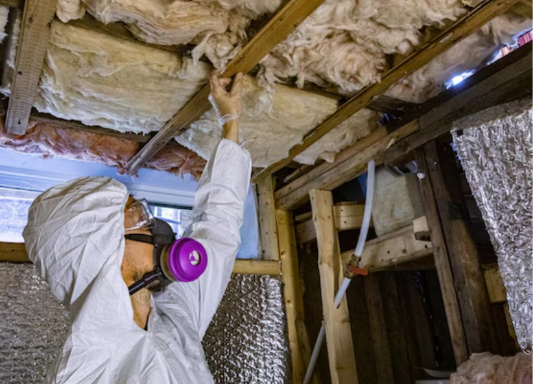
Rather than relying purely on whichever term sounds more appealing between rodent resistant and pest resistant insulation, it helps to ask specific questions about material density, what’s actually being tested against, and whether independent verification exists for the manufacturer’s claims. A lot of marketing language sounds impressive without actually specifying much substance underneath it.
Talking to someone with real experience installing and dealing with the aftermath of different insulation types tends to give a much clearer picture than product descriptions alone, since they’ve actually seen how different materials hold up in real attic conditions over time.
Building A Complete Prevention Strategy
The strongest approach combines proper sealing, an insulation choice that genuinely fits your specific pest concerns, and periodic inspections to catch small vulnerabilities before they become bigger problems. Treating insulation upgrades as one piece of a broader strategy, rather than a standalone fix, gives you much better long-term results regardless of which specific pests you’re most concerned about.
Wrapping This Up
Whether you’re specifically worried about rodents or dealing with a broader range of pest concerns, understanding what these upgraded insulation materials actually do, and don’t do, helps you make a much smarter decision than just going off marketing language alone. Pairing the right material choice with proper sealing work is really what makes the difference between a fix that holds up and one that just delays the same problem. If you’re not sure what your attic actually needs, Elite Wildlife Services can take a real look at your situation and recommend something that fits your specific pest concerns instead of a generic answer.
FAQs
Is rodent resistant insulation the same thing as pest resistant insulation?
There’s real overlap since both generally rely on denser, harder to manipulate materials, but pest resistant sometimes covers a broader range of concerns beyond just rodents, like certain insects. It’s worth checking what a specific product is actually designed and tested against rather than assuming based on the label alone.
Does upgrading insulation mean I don’t need to worry about entry points anymore?
No, sealing is still essential regardless of insulation choice, since even the most resistant material does nothing to stop an animal or pest from physically getting into the space in the first place. The two need to work together for real protection.
How much more expensive is pest resistant insulation compared to standard material?
It varies by product and project size, but expect a noticeable increase over basic fiberglass, sometimes substantial for larger attics. Many homeowners find it pays off over time by reducing repeat pest issues and the associated repair costs.
Can I install upgraded insulation over my existing insulation to save money?
Not if the existing material shows any signs of past pest activity or contamination, since that needs to be fully removed first. Installing new material over compromised insulation basically wastes the investment and can leave underlying issues unresolved.


