


When businesses invest in signage, the material choice matters just as much as the design itself. From retail environments to exhibitions and outdoor installations, the board substrate you select directly influences print quality, durability, and overall presentation. Foamex panels have become one of the most widely recognised options in the printed signage industry, offering a versatile combination of lightweight construction, smooth printable surfaces, and cost-effective pricing that suits a broad range of applications. Understanding what distinguishes one board type from another helps buyers make smarter decisions and achieve consistently better results across every project they undertake.
What Are the Main Board Types Available
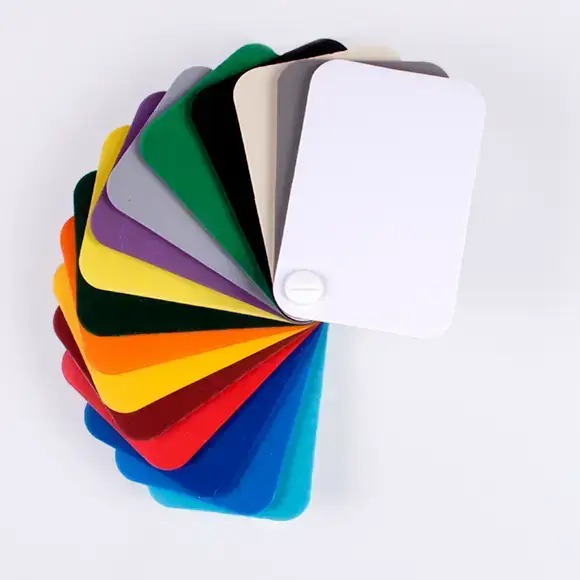
The commercial signage market offers a variety of rigid board substrates, each suited to different environments and budgets. PVC foam boards, commonly known as foamex panels, are composed of expanded polyvinyl chloride with a smooth, matte surface that accepts high-resolution UV and digital printing exceptionally well. Available in thicknesses ranging from 3mm to 10mm, they are widely used across indoor point-of-sale displays, event backdrops, and general commercial signage applications.
Correx, or corrugated plastic board, is a fluted polypropylene sheet frequently used for temporary outdoor signage such as estate agent boards and event directional signs. It is lightweight and weather-resistant but the fluted texture limits print sharpness compared to foam boards. Aluminium composite panels consist of two thin aluminium sheets bonded to a polyethylene core, offering exceptional rigidity and a professional finish ideal for permanent exterior fascia signage and long-term installations.
Understanding Dibond and Its Applications
Dibond is a premium aluminium composite offering superior flatness and durability, commonly used in retail, architectural, and museum-quality displays where precision and longevity are paramount. Unlike standard aluminium composite, Dibond carries a consistent core thickness that contributes to excellent flatness across large panel sizes, making it a preferred choice for high-end interior and exterior display installations where surface perfection is a defining requirement.
How Durability Differs Across Materials
Durability varies considerably across board substrates. Aluminium composite panels are the most resilient, handling exposure to moisture, UV light, and physical stress with minimal degradation over time. Foamex panels, while excellent for indoor applications, are not designed for prolonged outdoor use in harsh weather conditions. Extended sun exposure can cause some degree of warping or surface discolouration, particularly with thinner gauges that lack the structural mass to resist environmental stress over extended periods.
Correx is technically weather-resistant but loses structural integrity after prolonged UV exposure, making it better suited to short-term outdoor use rather than permanent installations. When selecting a board for any signage project, it is worth considering not just the initial cost but the intended lifespan and the environment in which the finished display will operate day to day.
Where Foamex Panels Perform Best
Foamex panels consistently deliver excellent results in a range of indoor commercial and event-based settings. Their smooth surface allows vibrant, high-contrast prints that are difficult to achieve on textured or corrugated materials. Retail interiors, corporate reception areas, trade show stands, and photographic backdrops are all common and highly effective applications for this substrate across a wide range of commercial sectors.
Their low weight is a practical advantage in environments where signage needs to be moved, repositioned, or mounted without heavy fixings. For wall-mounted displays, foamex can be easily cut to shape and adhered using standard bonding methods or simple standoff fixings that create a floating effect popular in professional display environments.
Foamex Sheets Versus Thicker Board Options
When specifying materials for a display project, understanding the difference between lighter foamex sheets and thicker rigid board options is important for matching the material to the application. Thinner foamex sheets at 3mm are appropriate for framed inserts, wall-mounted graphics, and exhibition shell scheme panels where weight and dimensional accuracy are the primary concerns. They are economical, easy to handle, and produce excellent print results in these contexts.
Thicker options at 5mm and 10mm offer greater structural rigidity and are better suited to freestanding displays, dimensional lettering bases, and applications where the board needs to support its own weight across a larger format without bowing or flexing under normal display conditions.
Choosing Thickness Based on Application
The practical rule when selecting board thickness is straightforward. If the panel will be supported on all sides by a frame or track system, thinner boards perform well and keep both weight and cost low. If the panel is required to be partially or fully self-supporting, or if it will be handled frequently and transported across multiple events, a thicker gauge provides the structural performance needed to maintain appearance over repeated use.
Print Quality Across Different Substrates
The printability of a substrate is a critical factor that is sometimes overlooked during the material selection process. Foamex is widely regarded as one of the best surfaces for direct UV printing, producing sharp text and vivid imagery with consistent colour fidelity across the full panel area. The smooth, closed surface minimises ink absorption variations that can lead to banding or uneven tones on more porous substrates encountered across the wider signage market.
Correx introduces visual surface texture due to its ribbed construction, which can affect fine print detail and overall colour uniformity. Aluminium composite boards print extremely well but are considerably more expensive to produce, transport, and install owing to their weight and material cost relative to foam board alternatives.
Making the Right Material Choice
Selecting the right board for a signage project ultimately comes down to three factors: environment, lifespan, and budget. For temporary indoor promotions and exhibition applications, foamex panels offer outstanding value and reliable print results that satisfy the majority of commercial requirements. For permanent outdoor installations, aluminium composite materials provide the durability required over extended periods. For short-term outdoor use, corrugated polypropylene remains a practical and cost-effective solution for businesses operating with tighter budgets.
Understanding these distinctions prevents costly mismatches between material choice and application requirements. Working with an experienced print and signage supplier ensures that substrate recommendations are grounded in practical knowledge rather than generalisation. Foamex Printing Company provides expert guidance across a full range of board materials, helping businesses identify the most appropriate and cost-effective solution for every individual project they undertake.


