


If you’re an Australian homeowner, you know all about the extreme weather conditions that can wear down your property. Whether it’s blistering summer sun, torrential winter rains or everything in between, your roof takes the hit. That’s where roof restoration is your saviour – a total process that can give your old roof a second lease of life without the hefty cost of full replacement.
This guide will take you through each phase of the roof restoration process, from the very first inspection through to the last protective coat. You’ll see what to anticipate at every step, how to select the most suitable professionals to undertake the work, and importantly, how to steer clear of mistakes that will cost you money and time. Whether you’re organizing a restoration in the near future or just want to know more about the process, this in-depth examination of roof restoration will provide you with the information you need to make the best choices regarding your home’s most critical safeguard.
What Is Roof Restoration, Exactly?
Before diving into the nitty-gritty of the restoration process, let’s clarify what roof restoration involves. Unlike a simple repair job or a complete roof replacement, restoration sits comfortably in the middle – it’s about bringing your existing roof back to its former glory whilst extending its lifespan significantly.
Consider roof restoration as a whole transformation for your roof. Restoration includes cleaning, fixing, repainting, and resealing your original roof structure. The process tackles common problems such as broken tiles, corroded metal sheets, clogged gutters, and faded protective coatings. Instead of tearing everything away and beginning anew, restoration utilizes what you have, which is an environmental-friendly and cost-effective approach.
Initial Roof Inspection and Assessment
The road to restored roofing starts with a solid inspection – and you don’t want to hurry this. A professional roof inspector will ascend (safely, naturally) and scan every square meter of your roofing. They’re searching for the telltale signs of damage and wear that are not apparent from the ground.
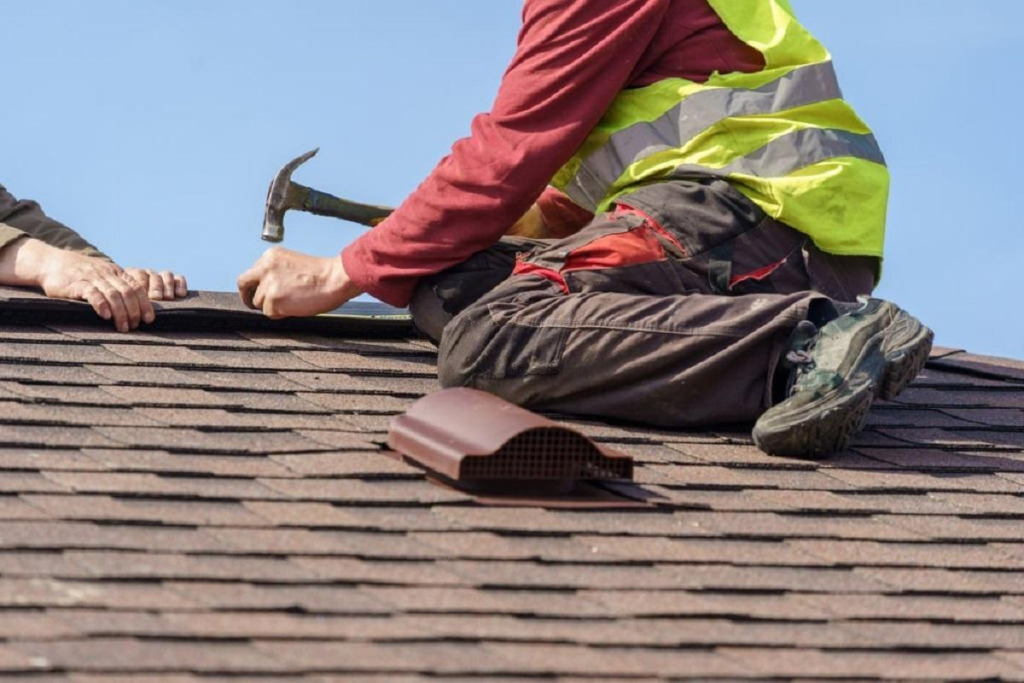
As part of this first inspection, the inspectors test for cracked and displaced tiles, rusty spots on metal roofs, collapsing ridge capping, and issues with flashing around vents and chimneys. They’ll also inspect your downpipes and gutters because these are part of your overall roof system. Your inspector may take pictures to report problems and make you aware of precisely what must be addressed. This visual documentation is extremely useful when negotiating the restoration plan and acquiring quotes from contractors.
Cleaning and Preparation
After you’ve made the decision to go through with restoration, the actual work starts – and that starts with a good clean. You may be amazed at how much grime, moss, lichen, and general dirt builds up on a roof over the years. This is not only about appearance; all this buildup can harm your roofing material and stop new coats from sticking correctly.
Most professional roof cleaners utilize high-pressure water washing, although the specific procedure is based on your type of roofing. Terracotta and concrete tiles tend to be able to withstand more pressure, while metal roofs may need a softer technique to prevent damage. Cleaning strip away surface filth as well as loose paint, rust scale, and biological growth. Salt deposits in coastal regions require special care as they will speed up corrosion and deterioration.
Repairs and Replacements
With a clean slate to work on, it’s time to address all those issues identified during the inspection. This repair phase is where the real transformation begins, turning a weathered, damaged roof into a solid, watertight structure ready for its new protective coatings.
For tile roofs, typical repairs involve the replacement of cracked and broken tiles, repointing ridge capping with flexible pointing material, and re-replacement of worn-out bedding cement. Valley irons may require resealing or replacement, and any tiles lifted need to be put back into position. Metal roofs tend to need other care – rust patches require treatment with rust converter and primer, loose screws require tightening or replacing, and any holes or cracks require patching up with suitable metal roof sealants.
Understanding Roof Restoration Costs
Let’s discuss money – because knowing what the costs are helps you budget and not have any nasty surprises. Roof restoration prices in Australia are quite different depending on several factors, and it’s interesting to understand what contributes to those variations.
The area of your roof is clearly a big factor, with costs usually being worked out per square metre. But complexity is also an issue – a basic gable roof is cheaper to restore than a complicated multi-tiered design featuring lots of valleys, dormers, and skylights. The material for your roof also influences cost, with tiled roofs usually more expensive to restore than metal roofs because of the extra labour required in repairs and the requirement for specialized coatings.
How to Select a Reputable Roof Restoration Contractor
Picking the correct contractor is the difference between making or breaking your roof restoration work. With so many operators available, from seasoned experts to the weekend handymen, how do you distinguish between the two?
Begin by verifying credentials. A genuine roof restoration business ought to hold valid licenses, extensive insurance (public liability and employees’ compensation), and membership with industry organizations. It is not inappropriate to ask to see proof of these credentials – any professional business will be more than happy to furnish them. Seek businesses that have been in business for at least a few years, as roof restoration takes experience to accomplish correctly.
Common Mistakes to Avoid During Roof Restoration
No matter how well-intentioned the intention to restore your roof, things can go wrong. Knowing what common mistakes are and how to steer clear of them means your restoration does what you want it to.
One of the greatest errors is selecting contractors based on price alone. While no one wishes to pay more than they have to, cheap is usually not the best option. It can imply poor coatings are used, preparation is bypassed, or repairs hurried. These cut corners invariably result in early failure of the restoration job, costing you out in the long term. And trying to do it yourself roof restoration to save money is hardly ever a good idea – working at heights is hazardous, and without the correct gear and experience, you won’t be getting professional results.
Conclusion
The main point is that effective roof restoration is more than merely slapping on a new coat of paint – it’s an in-depth procedure that fixes underlying problems, stops potential issues in their tracks, and offers long-term protection against Australia’s tough climate. By knowing what goes into every phase of the process, you’ll be more informed to deal with contractors, ask the correct questions, and get the best value for your money.
Whether you’re aiming for a restoration down the road or are just keeping an eye on your choices, keep in mind that timing counts. Don’t delay until your roof is drastically deteriorated – prevention and early restoration can keep you out of thousands when it comes to unnecessary roof replacement. Be sure to select reliable contractors, spend money on quality materials, and keep your roof in good condition post-restoration. Your home will reward you with years of dependable defence, better energy efficiency, and increased street appeal. And let’s not forget, a solidly maintained roof isn’t merely functional – it’s about keeping your loved ones and your home investment safe.


