


Here’s something a lot of people don’t think about until it’s already a problem. A unit sitting a few hundred metres from the beach ages differently to one sitting fifteen minutes inland. Salt in the air, constant humidity, all of it works away at components quicker than most people expect, and servicing schedules that’d be fine inland just don’t cut it the same way this close to the water. We handle a fair bit of air conditioning servicing Mooloolaba work through the year, and salt exposure comes up constantly as a reason units are wearing faster than their age would suggest. Further up the coast, we’re also seeing steady demand for air conditioning installation Noosa Heads jobs, a lot of which factor coastal conditions into the planning from day one rather than treating it as an afterthought. This one’s mainly about servicing and why the coastal thing matters more than people realise, plus a bit on what’s happening with new installs around Noosa for anyone thinking about that side of things too.
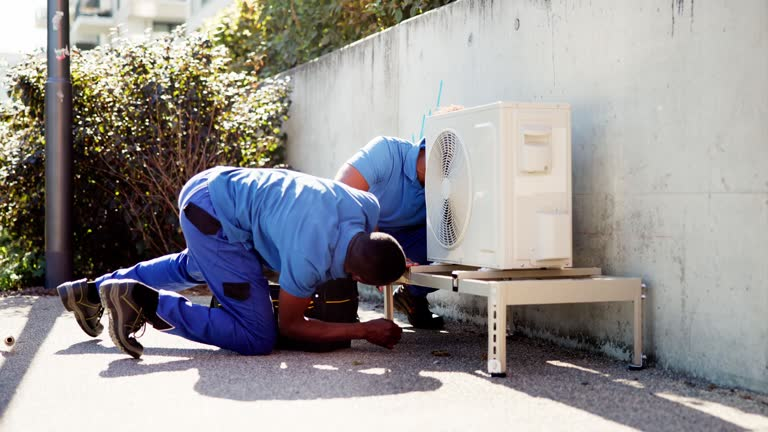
What Salt Air Actually Does To A Unit Over Time
It’s not dramatic, that’s the tricky part. Salt exposure doesn’t cause sudden failures, it causes slow, steady corrosion that builds up over months and years until suddenly a unit that should have plenty of life left is struggling or failing outright.
Outdoor units cop the worst of it. The coil fins are usually the first thing affected, salt residue building up and gradually breaking down the protective coating, which speeds up corrosion of the metal underneath. Once that starts, heat transfer efficiency drops, meaning the system has to work harder to achieve the same cooling, which then puts extra strain on the compressor too.
Electrical connections and casings can be affected as well, particularly on units that aren’t cleaned regularly. Salt residue combined with humidity creates conditions that accelerate wear on components that’d otherwise last much longer in a drier, less salty environment.
None of this means coastal living is bad for your aircon in some unavoidable way, it just means the maintenance approach needs to account for it rather than following generic advice written for inland conditions.
Why Standard Servicing Schedules Don’t Quite Cut It Here
Most general advice says service your aircon once a year, and for a lot of homes that’s genuinely fine. But for properties close to the water, particularly right around Mooloolaba where salt exposure’s a real factor, twice yearly servicing tends to make more sense, catching corrosion and buildup issues earlier before they turn into bigger problems.
A lot of the air conditioning servicing Mooloolaba jobs we do include a proper check of outdoor unit condition specifically, looking for early signs of corrosion, checking coil condition, and cleaning off salt residue that’s built up since the last service. This extra attention genuinely extends the working life of units in this kind of environment compared to just following a standard inland servicing routine.
What A Coastal Focused Service Actually Involves
Same fundamentals as any proper service, filters cleaned, coils checked, refrigerant levels tested, electrical components inspected, drains cleared. But for coastal properties there’s extra attention paid to the outdoor unit specifically.
Rinsing salt residue off the outdoor coil and casing is a bigger part of coastal servicing than it would be inland, since that buildup accelerates corrosion if left sitting on the unit for extended periods. Checking for early signs of corrosion on fins and connections lets a technician catch issues while they’re still minor rather than after they’ve caused a bigger failure.
Testing refrigerant levels matters everywhere, but coastal units can sometimes develop leaks slightly earlier due to the corrosive environment affecting joints and connections over time, so it’s worth being a bit more thorough about checking for this during coastal servicing specifically.
Signs Your Coastal Unit’s Struggling With Salt Exposure
Visible corrosion on the outdoor unit is the most obvious sign, white or greenish residue building up, or actual rust appearing on metal components. If you’re noticing this, it’s worth getting the unit properly assessed rather than just wiping it down and hoping for the best.
Reduced cooling efficiency that seems to be getting gradually worse can point to corroded coils not transferring heat as effectively as they should. Higher than expected power bills for a unit that’s not particularly old is another sign worth paying attention to, since a system fighting corrosion related inefficiency uses more energy for the same result.
Unusual noises from the outdoor unit specifically, more than the indoor unit, can sometimes indicate corrosion affecting fan components or housing integrity. Worth mentioning to whoever’s servicing the unit so they can have a proper look.
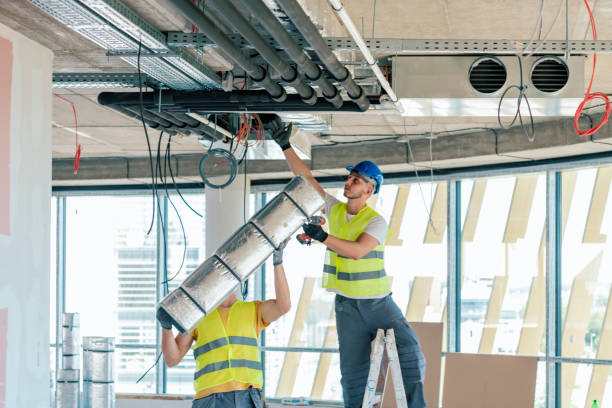
Noosa Heads And What’s Going Into New Installs Up There
Shifting over to installation for a moment, since it ties into this whole coastal conversation. Noosa Heads properties, being right on the coast too, deal with a lot of the same salt exposure considerations we’ve been talking about for Mooloolaba, but a lot of the newer air conditioning installation Noosa Heads work we do factors this in from the very beginning rather than dealing with it after the fact through extra servicing.
Choosing units with better corrosion resistant coatings from the start, positioning outdoor units to reduce direct sea breeze exposure where the property layout allows, these are things worth building into the installation plan rather than only addressing once corrosion’s already visible on an older, more exposed unit.
A lot of Noosa properties also lean toward higher end systems generally, given the premium nature of a lot of real estate in that area, and pairing quality components with proper coastal minded installation tends to genuinely extend how long these systems perform well before needing major work.
Getting The Balance Right Between Servicing And Replacement
For coastal units already showing some wear, more frequent servicing can definitely extend working life, but there’s a point where corrosion related damage becomes more about managing decline than genuinely fixing the underlying issue. If a unit’s needing corrosion related attention every service and performance keeps dropping despite that, it might be worth having the replacement conversation rather than continuing to service around an underlying problem that’s not going away.
For newer coastal installs, particularly if corrosion resistant components were chosen and placement was thought through properly from the start, twice yearly servicing should keep things running well for a good long stretch without major issues cropping up early.
Conclusion
Living this close to the water’s genuinely lovely most of the time, but it does mean your aircon needs a bit more attention than it might if you were fifteen minutes inland. Salt air isn’t dramatic in how it affects a unit, it’s slow and steady, which is exactly why regular, thorough servicing matters so much for catching it early. If you’re after air conditioning servicing Mooloolaba wide, particularly for a property close to the water, it’s worth asking specifically about how salt exposure and corrosion get addressed during the service rather than assuming a standard inland routine covers it properly. And for anyone planning air conditioning installation Noosa Heads style for a new system, building coastal considerations into the install from day one, proper unit selection and thoughtful placement, saves a lot of servicing headaches down the track compared to dealing with corrosion after it’s already set in. South East Air services and installs plenty of systems right along this stretch of coast, so we’ve got a good handle on what actually needs extra attention out here. Happy to come take a look, whether it’s keeping an existing coastal unit running well or planning a new install that’s built to handle the conditions from the start.

FAQ
How much more often should coastal units be serviced compared to inland ones?
Twice yearly tends to make more sense for properties close to the water, compared to the standard once a year that’s usually fine further inland. The extra service catches salt related corrosion and buildup earlier.
Can corrosion damage on an outdoor unit actually be fixed?
Minor corrosion can often be cleaned and treated to slow further damage, but once it’s significantly affected components like coil fins, repair options become more limited and replacement of the affected part or the whole unit might be the more sensible option.
Do all outdoor units need protection from sea breeze, or just some?
Generally the closer to the water, the more it matters. Properties right on the coast benefit most from thoughtful placement, while homes further back from the beach face less severe exposure and correspondingly less risk.
Is it worth paying more for a corrosion resistant unit near the coast?
Usually yes, particularly for properties within a kilometre or so of the water. The extra upfront cost tends to be offset by a longer working life and fewer corrosion related service issues over time.
How do I know if my unit’s corrosion is serious enough to worry about?
Visible rust or significant residue buildup on the outdoor unit, combined with declining cooling performance, are good indicators it’s worth getting properly assessed rather than just monitoring it yourself.