

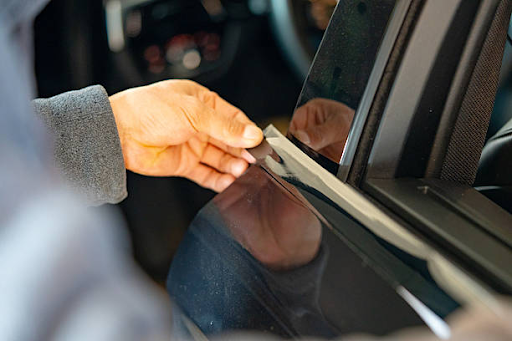
Taking aftermarket bumpers, lips, skirts, spoilers and arches and making them sit right on your car. That’s auto body kit installation in a sentence. On paper it sounds easy. Bolt it on, drive away. In real life it’s way more fiddly.
Factory panels are built to tight tolerances. Aftermarket ones, not always. Even good kits need test fitting, trimming and fiddling before the gaps look decent. Cheap ones need a whole lot more, and that’s where the hours quietly vanish.
Some people try it at home with a socket set and a free Saturday. Fair play, I admire the confidence. But if you want it to look factory, or you’ve spent serious money on the kit, get a proper workshop involved.
What Kinds of Kits Are There?
Material first, because it changes everything. Polyurethane bends and forgives, so it handles kerbs and speed bumps better than most. ABS plastic is much the same and turns up on a lot of OEM-style parts. Fibreglass is light and cheap, but cracks easily and usually needs loads of prep before it’ll sit properly.
Carbon fibre is the showy one. Gorgeous, very light, and an awful feeling when you crack it. A lot of people go carbon-look instead, which costs less and is perfectly fine as long as you know that’s what you’re buying.
Then size. A front lip and a rear diffuser is a subtle tweak. A full wide-body job with flared arches, new bumpers and skirts is a different beast altogether, with cutting, reinforcing and a pile more paint. Know what you want before you spend a cent.
How Does the Fitting Actually Go?
It starts with a look over the car and a dry fit. A decent shop checks your panels for existing damage and holds the kit up before any paint goes on. If the fit is terrible, better to learn that now than after the painter has already sprayed it.
Prep comes next. Drilling, trimming, brackets, sometimes reinforcing the mounting points. Surfaces get sanded and primed so the paint grips. Then the paint itself, with colour matching, lacquer and curing time. Hurry that bit and you’ll spot orange peel or a slightly wrong shade in bright sun. Once you’ve seen it, you’ll see it forever.
Last is the final fit. Gaps lined up, bolts tightened, clearances checked, ride height tested so nothing scrapes on a normal ramp. A simple job takes a few days. A big one with paint can stretch to a couple of weeks.
Where Does Dechroming Come In?
Something lots of people don’t think about until it’s too late. You fit a new kit, the car looks sharper and meaner, and then the shiny chrome window surrounds and grille bars start looking out of place. They fight with the new shape.
That’s why dechrome car Ireland drivers have been asking about lately. It means turning chrome trim black, satin or gloss. Mostly done with vinyl wrap, though paint or swapping parts is possible. Wrap is popular because you can peel it off later and the original trim underneath stays untouched.
Doing both together makes sense. The car’s already in the shop, and the whole look comes together instead of feeling patched. Blacked-out trim with a new kit looks planned, not bolted on afterwards. Mention it before the job starts so the work gets done in the right order.
What Should You Budget?
All over the place, honestly. Be wary of anyone quoting without seeing the car. A simple lip or diffuser might be a couple of hundred euro. A full kit with paint heads into the thousands, and wide-body work goes higher again.
Most of it is labour and paint, not the parts. Hours of fitting, prepping and finishing stack up fast. Metallic and pearl paints are fussier and dearer to match as well.
Get the quote in writing, broken into labour, materials, paint and extras. Ask what happens if the kit fits badly and needs extra work. Some shops charge more for that, which is fair, but hear it before they start, not after. And don’t just grab the cheapest price. Cheap and done right almost never show up together.
What About Insurance, the NCT and Daily Driving?
People forget this until it bites them. Here in Ireland, modifications can change your insurance, so tell your insurer before you touch anything. Skip that and make a claim, and they might refuse. Not a phone call you want after spending thousands.
NCT testers can fail parts that are loose, sharp or badly mounted. A splitter sticking out too far, or skirts with sharp edges, could cause trouble. A sensible kit fitted securely is normally fine, but the tester always gets the final word.
Think about everyday use too. Irish roads aren’t smooth, and a low lip that looks brilliant in a car park may not survive a rough country road or a steep ramp. Tell your shop how you honestly drive, not the version of you that only cruises perfect tarmac.
How Do You Pick a Shop?
Look at real work, not stock photos. Ask to see cars like yours and check the panel gaps, the paint, how everything lines up with the body. Proud shops love showing their stuff off.
Read the reviews, particularly the middling ones. Five-star gushing and one-star fury both tell you less than a calm three-star explaining what worked and what didn’t. Chat to people at local car meets as well. Word travels fast, and sloppy shops can’t hide for long.
Pop in if you can. Tidy workshop? Customer cars treated gently? Do they ask what you’re after, or just fire a number at you? Ask about warranty on the fitting and paint too. People who trust their work will stand behind it.
Where Do People Slip Up?
Cheapest kit online, classic mistake. It arrives warped, fitment is awful, and the shop spends twice the time forcing it on. You pay for every hour of that. Buy from a known brand or ask the shop what they’d pick. They’ve seen what fits and what doesn’t.
Poor planning is another. Changing your mind halfway costs time and money, usually both. And don’t wave away paint matching. A kit in a slightly wrong shade looks worse than no kit.
Then there’s rushing. Somebody promises a full kit fitted and painted in two days? Careful. Corners get cut, usually in prep or curing. Patience pays, even when you’re itching to drive it. After the job, wash gently and check the mounting points now and then.
Conclusion
Yes, no question. A well-fitted kit transforms a car, but only if the work is right. Buy decent parts, budget properly for paint and prep, and pick a shop with real results to show. Good auto body kit installation is what separates a sharp, factory-looking finish from a messy one.
So take your time, ask lots of questions, and tell your insurer. If you fancy finishing the look, ask what dechrome car Ireland shops can do alongside the fitting. Plan it together and the car will look like it came that way.


