

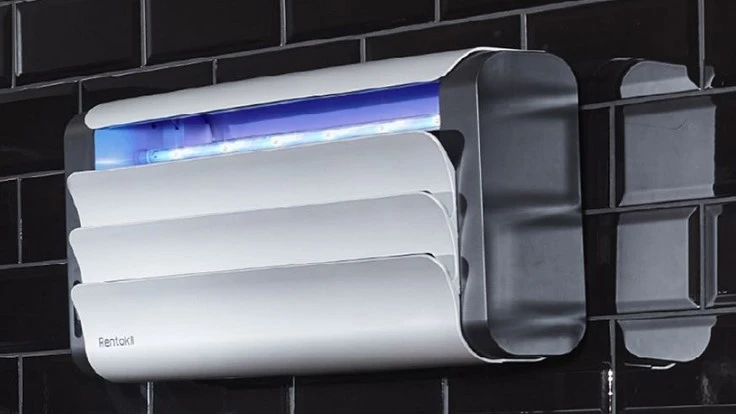
If you’re hunting for the best fly killer for a warehouse, you probably already know the pain of flies ruining stock, spooking auditors, or just annoying your staff on the floor.
Look, I’ve walked into warehouses where you can hear the buzzing before you even open the door. That’s not a good sign. It means somewhere along the line, someone decided fly control could wait. It can’t. One bad infestation and you’re explaining yourself to a client or, worse, a food safety inspector who doesn’t care about your excuses.
Why Warehouses Attract Flies in the First Place
Flies love warehouses, plain and simple. Loading bays stay open for hours, there’s usually some food waste tucked away somewhere, and the air inside stays warm enough year-round for flies to thrive. Throw in a drain that doesn’t dry out properly or a skip bin that’s never emptied on time, and you’ve basically sent out invitations. Most managers don’t clock how many gaps exist until they actually start walking the perimeter and counting doors.
It’s not just food warehouses either, though those obviously get it worse. Even a facility full of boxes and electronics will pull flies in through drains, nearby bins, or gaps around conveyor belts. People assume if there’s no food, there’s no fly problem. Wrong. Flies don’t care what you’re storing, they just want warmth and a way in.
What Actually Makes a Fly Killer Work in an Industrial Space
A little zapper from the supermarket, the kind people hang in a kitchen, won’t touch a warehouse-sized problem. You need something built for dust, built for humidity, and strong enough to pull flies in from a proper distance. Cheap units just give up after a few months in that kind of environment, and nobody notices until the fly count’s already out of control again.
Coverage is honestly where most people mess up. Buying one unit rated for a small room and sticking it in a massive warehouse is like trying to light a football pitch with a torch. You’ve got to actually measure the space, figure out where flies are getting in, and place units with that in mind. Skipping this step is the number one reason fly control plans fail, not the equipment itself.
Electric Killers, Glue Boards, or Insecticide, What’s The Difference
There’s a few ways to deal with flies and none of them are wrong exactly, they just suit different spaces. Electric units use UV light to pull flies in, then either zap them on a grid or trap them on a sticky board tucked behind the lamp. The zapping kind is loud and, not gonna lie, it can fling tiny bits of fly everywhere, which is a nightmare near open food. Glue boards are quieter and a lot more hygienic, though you do have to swap the boards out regularly or they stop working.
Insecticide sprays and fogging have their place too, but that’s more of an “oh no, it’s gotten bad” solution rather than something you run every day in a working facility. Most places end up leaning on electric units as their main defence, maybe with a few sticky traps near drains or dark corners where flies like to hide out unnoticed.
Placement Matters More Than People Think
You could buy the priciest fly killer out there and still lose the battle if it’s hung in a dumb spot. These units pull flies toward the light, so if you stick one right by an open door, congratulations, you’ve just invited more flies inside instead of stopping them. Units need to sit back a bit from entry points so they catch flies before they get deeper into the building.
Height is another thing people get wrong constantly. Flies mostly cruise around at head height or lower indoors, so mounting a unit way up near the ceiling means it’s basically decoration. And airflow matters too, big extraction fans or doors left wide open can drag flies right past a unit without it ever getting a chance, making a perfectly good machine look like junk.
Food Safety Rules and Why They Matter Here
If food’s involved anywhere in your operation, this stops being optional. Auditors check fly killer placement specifically, they want to know units are positioned away from open product and that you’re not risking contamination from stray insect bits. This is exactly why glue board units tend to win out in food settings, they don’t scatter debris the way electrocution grids can.
And keep your paperwork in order, seriously. Auditors want to see when glue boards were last changed, when UV tubes were swapped out (they stop attracting flies way before the light actually looks dim, which trips people up), and your general service history. Turn up to an audit with no records and you’re basically asking to fail, no matter how spotless your floors look.
Is It Actually Worth the Money
Buying the cheapest unit on the shelf feels smart until you’re replacing it every six months or dealing with a failed inspection because it stopped working weeks ago without anyone noticing. A properly built industrial unit, sized right for your space, should run for years with basic upkeep, and the ongoing cost of tubes and glue boards is honestly small compared to what a real infestation can cost you.
There’s also the labour side nobody factors in. Staff cleaning up after a fly problem, dealing with complaints, sorting out stock that got contaminated, that’s all time and money that doesn’t show up on a quote sheet. Spend properly upfront and most facilities see it pay off within a year or two, especially anywhere handling perishables or under strict compliance.
Keeping the Thing Running, Maintenance Basically
Even the best unit on the market is useless without upkeep, and this is where loads of facilities drop the ball completely. UV tubes lose their pulling power long before the light stops looking bright, which tricks people into thinking everything’s fine when it’s not. General rule, swap them every 6 to 12 months, maybe sooner if the facility’s running hard.
Glue boards need eyeballing regularly too, not just when they’re obviously full of flies. A board that’s gathered dust loses its stick way before it looks “done.” Set a schedule, check monthly, swap tubes every few months depending on usage, and the system stays sharp instead of quietly becoming useless while everyone assumes it’s still doing its job.
Mistakes Facilities Keep Making, Over and Over
The biggest one, by far, is treating a fly killer like a one-and-done purchase. Buy it, hang it, forget it exists for three years. No checks, no repositioning, no thought given to the fact that summer brings way more flies than winter. Facilities that don’t adjust for the seasons get blindsided every single year, like clockwork, and act surprised each time.
Another classic mistake, assuming one big unit in the middle of the warehouse will cover everything. It won’t. Several smaller units spread around entry points and known trouble spots will beat one central unit every time, no contest. Spreading your coverage out instead of stacking it all in one place just works better for big industrial spaces.
Picking the Right One for Your Facility
Start by walking the place yourself. Figure out where flies are getting in, where they’re hanging around, loading docks, waste bins, anywhere damp. Then measure your square footage properly, don’t guess low because you’re trying to save a few quid, and match that to what the unit’s actually rated for. Oversizing slightly beats undersizing every time.
Think about your industry too. Food handling leans glue board, for hygiene reasons mostly. General storage or manufacturing can probably get away with electrocution grids since contamination’s less of a worry there. And if units are going near offices or break rooms, think about the noise, that zapping sound gets old fast over an eight hour shift.
Conclusion
Fly control in a warehouse isn’t exciting work, nobody’s bragging about it at a dinner party, but skipping it properly costs way more down the line than doing it right from the start. The best fly killer for your place really comes down to your space, your industry, and whether you’ll actually keep up with maintenance, not just whichever brand shouts the loudest online. Units like the Pelsis Aura fly killer have picked up a good reputation among facility managers because they cover decent ground without falling apart under constant industrial use, and they still hold up fine around food-adjacent areas where hygiene rules matter. Whatever you end up going with, treat it as something ongoing, not a box you tick once, and you’ll dodge most of the headaches other facilities keep repeating every season.
FAQs
What’s the best fly killer for a large warehouse?
Honestly depends on the setup, but UV units with glue boards tend to suit food-related facilities best, while electrocution grids work fine for general storage where contamination’s less of a concern.
How many fly killers does a warehouse actually need?
More than one, almost always. Spread units across loading docks, waste areas, and problem spots rather than relying on a single big unit in the middle of the floor.
How often should the UV tubes get replaced?
Roughly every 6 to 12 months. The light might still look fine, but the UV output that actually pulls flies in fades way before that.
Are glue boards really better than electrocution grids for food facilities?
Mostly yes, because they don’t scatter fly fragments the way zapping grids can, which matters a lot when there’s open food or packaging nearby.


