



Mastering how to manufacture a prototype product can seem like an unachievable requirement for budding entrepreneurs and inventors. We recognize that the biggest hurdle is always starting but that it is also the most important step in bringing an idea to life as a physical product. Prototyping is critical because you can experiment with your idea, perfect your design, and learn the production needs ahead of time before you commit to large-scale manufacturing. The path from idea to prototype needs well-planned strategy, research, and caution. These are ten crucial points to help you navigate the initial manufacturing steps of your prototype product.
1. Define Your Product Idea
Before you launch into production, it is crucial to have a well-defined product concept. Having a good idea of exactly what issue your product is addressing, who your customer is, and how it is different from what’s already out there will keep you on track. Having a defined idea also facilitates explaining your idea to designers, engineers, and possible manufacturers. Set some time aside and put down in writing a clear description of your product, such as features, material, and what it does.
2. Perform Market Research
Knowing the market is important in creating a winning prototype. Study comparable products and understand gaps, prices, and customer demands. Market research assists you in confirming that there is demand for your product and that it can compete favorably. It also guides design choices, as knowing what customers need enables you to add features that most concern them. Simple surveys or casual opinions from friends and potential customers can be useful.
3. Outline Your Product Idea
After your concept is established and market research has been conducted, the next thing to do is make sketches or rough drawings of your product. You don’t have to make these perfectly perfect, but they will show the size, shape, and functionality of your prototype. Conceptualizing your idea allows you to determine problems with your design at an early stage and give a reference point to engineers or designers who will assist you in bringing your product into existence.
4. Select the Proper Materials
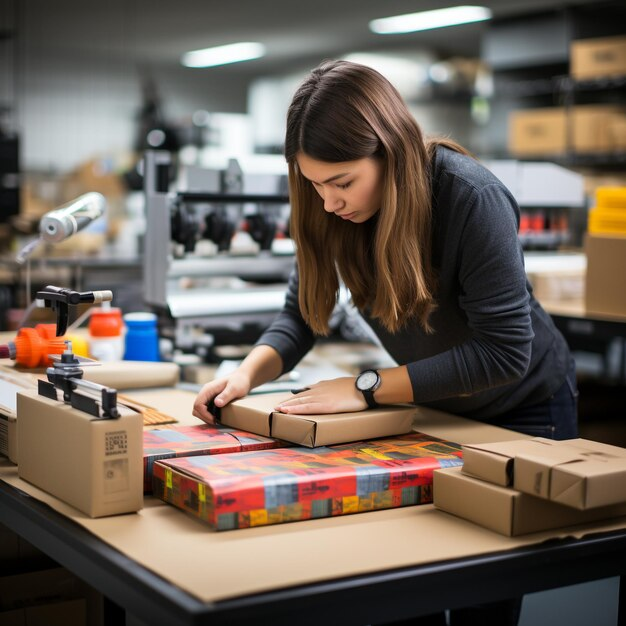
Material selection is important in producing prototypes. The material that you select will determine the durability, functionality, and price of the product. As an example, plastics are inexpensive and versatile, metals are strong and long-lasting, and composites have special characteristics such as resistance to heat. Based on your product’s specifications, you can select materials that fit its purpose and expected performance.
5. Design Your Product in Detail
Once you have sketches, developing a detailed design comes next. This usually means applying computer-aided design (CAD) to create accurate 3D models of your product. A detailed design gives manufacturers necessary specifications such as dimensions, tolerances, and assembly information. A detailed design also enables you to make iterations and test multiple versions of your design without spending time and money on physical prototyping.
6. Plan Your Prototype Manufacturing Process
Understanding how to manufacture a prototype product involves planning the manufacturing process itself. Decide whether your prototype will be handmade, 3D-printed, CNC-machined, or produced using another method. Each method has its advantages and limitations, depending on the complexity of your product, materials, and budget. Planning this process in advance ensures a smoother transition from design to physical prototype.
7. Set a Realistic Budget
Prototype development is expensive, and a realistic budget is essential. Factor in costs of materials, production, design computer software, and services of professionals such as engineering or industrial design. Having a clear budget prevents spending too much money and ensures that you are able to complete the prototype without setbacks. At Product Innov, we suggest conserving quality in key parts but strategically spending on discretionary features that can be perfected later.
8. Work with Experts
Working with experienced professionals can significantly improve your prototype’s success. Engineers, designers, and prototype specialists provide valuable insights into materials, production techniques, and potential design flaws. Collaborating with experts ensures that your prototype meets functional and aesthetic standards, reducing the risk of costly revisions. Seek feedback early and often to refine your design before final production.
9. Test and Refine Your Prototype

After your prototype is made, testing is vital. Test its performance, durability, usability, and overall design. Testing can uncover problems not seen in the design stage, like material flaws or ergonomic issues. Having your prototype perfected through testing ensures your product is suitably equipped for mass production and entry into the marketplace. Iterative refinement is an inherent part of the prototyping process.
10. Document the Prototype Development
Keeping detailed records of your prototype-making is worth its weight in gold. Log design modifications, material selection, test outcomes, and production processes. Accurate documentation not only aids future updates but also aid communication with manufacturers when volume manufacturing is to be done. Well-kept records guarantee that every stage of the prototyping process can be traced and reproduced or enhanced when necessary.
Conclusion
The initial process of acquiring the skills to produce a prototype product is a mixture of meticulous planning, research, and teamwork. Clarifying your concept, researching the market, making precise designs, and outlining the production process prepares you for a successful prototype. Budgeting carefully, testing extensively, and recording every step guarantees that your product is ready for production and marketing. For those who wish to transition from idea to product, knowing how to get a prototype manufactured is the end goal, and taking these steps with advice from such professionals as Product Innov will make it an easier, faster, and extremely successful process.


