

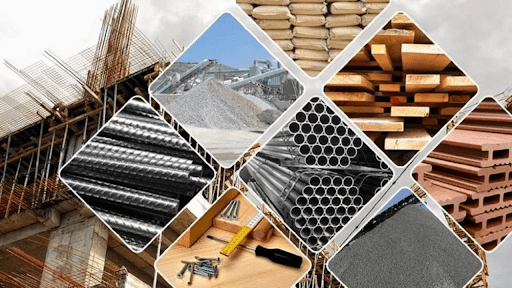
A building project rarely goes exactly according to the first plan. You may start with a simple repair and discover that the damaged section is larger than expected. A weekend project can turn into a week-long job. And sometimes the hardest part is not doing the work—it is realizing halfway through that you bought the wrong material.
That is why choosing Building Supplies should begin with the project itself rather than with whatever happens to be on the shelf. The right materials depend on what you are building or repairing, where the material will be used, how much wear it will receive, and what tools and installation methods the job requires.
Waddington Hardware’s building supplies department gives homeowners, contractors, and DIYers a place to source materials for a range of construction and repair needs.
Know What You Are Actually Building
Before purchasing anything, describe the project in simple terms.
Are you repairing a wall? Building a small structure? Replacing damaged material? Working on a renovation? Finishing an area that has never been completed?
The answer can change what you need.
A material that works perfectly for an interior repair may not be appropriate for an exterior application. Something suitable for a decorative project may not have the strength required for structural work.
It sounds obvious, but writing down the job before shopping can prevent a surprising number of mistakes.
Measure Twice Before You Buy
One of the easiest ways to waste money on a project is inaccurate measurement.
Measure the length, width, and height of the area where applicable. Then consider openings, cuts, overlaps, and waste. Buying exactly the mathematical amount may not be practical when materials need to be trimmed or some pieces are damaged during installation.
At the same time, buying far more than you need can leave you with unnecessary leftovers.
For larger projects, create a basic material list before heading to the store. It does not have to be complicated. A simple list of quantities, dimensions, and intended uses can make the shopping process much easier.
Think About Where the Material Will Be Used
Location matters.
Materials used indoors may not face the same conditions as materials used outside. An exterior project may involve rain, sunlight, temperature changes, and moisture. A basement may have completely different concerns from a dry upstairs room.
Even within the same property, different areas can require different approaches.
If you are unsure whether a particular material is suitable for the environment, ask before purchasing. It is much easier to change your selection while you are still planning than after the material has already been installed.
Don’t Forget the Hardware
A common mistake is focusing so heavily on the main material that the smaller components get forgotten.
Fasteners, brackets, connectors, adhesives, sealants, screws, nails, and other hardware may be essential to completing the job properly.
Imagine getting halfway through an installation only to discover that the fasteners you have are the wrong size or unsuitable for the material. The project stops immediately.
When creating your shopping list, think about the entire installation process—not just the main item being installed.
Quality Should Match the Job
Not every project requires the most expensive material available.
A temporary repair and a long-term renovation may have completely different budgets and expectations. Likewise, a decorative project does not necessarily need the same level of performance as something exposed to heavy use or harsh weather.
The better question is not simply, “What is the cheapest option?”
Instead, ask, “What level of performance does this project actually require?”
If the material will be difficult to replace later, exposed to weather, or responsible for handling regular wear, spending a little more on an appropriate product may make sense.
Think About Future Repairs
A material may look perfect when it is installed and still create headaches later if maintenance is difficult.
When planning a project, consider how easy it will be to inspect, repair, replace, or access the finished area.
This is particularly useful for homeowners. A small amount of planning during construction can make future maintenance considerably easier.
For example, leaving sensible access to areas that may eventually need servicing can save time years later.
Keep the Installation Method in Mind
Materials do not exist separately from the tools used to install them.
Before buying, consider whether you have the equipment required to cut, fasten, drill, level, seal, or otherwise work with the material.
Sometimes the right material is not the one that looks best in the product description. It is the one that fits the project, your available tools, and your level of experience.
If a material requires specialized equipment or installation techniques that you are unfamiliar with, getting professional advice may be worthwhile.
Don’t Ignore the Small Details
Small gaps, uneven surfaces, exposed edges, and poorly sealed joints may not seem important during the early stages of a project.
They can become much more noticeable later.
Caulk, sealants, trim pieces, flashing, edging, and other finishing materials often play a surprisingly large role in the final appearance and performance of a project.
These items may not be the most exciting part of shopping, but they are often what makes a finished job look complete rather than improvised.
Keep Your Materials Organized
Once the project begins, organization becomes surprisingly valuable.
Store materials somewhere dry and accessible. Keep fasteners and smaller hardware in labeled containers. Protect materials that could be damaged by moisture or rough handling.
If you are working on a project over several weekends, keeping everything together can save repeated trips to the store.
It also helps you notice early when something is missing.
Don’t Buy Everything at Once If the Project Is Uncertain
For some projects, purchasing everything upfront makes sense.
For others, it may be smarter to start with the materials required for the first stage. Once you open up a wall, remove old material, or inspect an existing structure, you may discover conditions that change the plan.
This is particularly true with repairs and renovations.
If the condition underneath the existing surface is unknown, leave some flexibility in the budget and schedule. A little uncertainty is easier to handle when you have planned for it.
Ask Questions Before You Start
Hardware stores can be useful sources of practical advice, particularly when you know what you are trying to accomplish but are unsure about the materials.
Instead of simply asking for “something to fix this,” explain the project.
Tell the staff what surface you are working with, whether it is indoors or outdoors, what the material needs to do, and what kind of conditions it will face.
Those details can make it much easier to narrow down the appropriate options.
A Good Material List Saves More Than Money
It saves time, too.
When you have the correct materials before starting, you can spend your project time actually building or repairing instead of making repeated trips for forgotten items.
That is ultimately what makes selecting Building Supplies such an important part of the planning process. The right materials should fit the project, the environment, the installation method, and the expected lifespan of the finished work.
Waddington Hardware’s building supplies department provides a range of options for customers working on construction, repair, renovation, and DIY projects.
Whether you are tackling a small home repair or planning a larger project, taking a little extra time to measure, compare materials, and think through the installation can make the entire job smoother. The work may still take a weekend—or two—but at least you are much less likely to discover halfway through that one important piece is missing.


