


A car crash in Albuquerque can rattle anyone. Your thoughts scatter, adrenaline spikes, and suddenly you’re stuck figuring out what matters first. Before you jump into searching for accident injury attorneys near me in Albuquerque, there are a few steps that protect your health, your rights, and your future claim. These early choices matter more than most people realize. Slow down, breathe, and handle things in a way that sets you up for real help later.
1. Check for Injuries and Make Sure the Scene Is Safe
Right after impact, everything feels chaotic. Take a moment to check yourself for pain, bleeding, or anything that feels off. Then look around at passengers. Even minor crashes can cause hidden injuries, so don’t brush anything aside. If the cars are in traffic and it’s safe to move, shift them out of the flow. Hazard lights help alert others. Keeping everyone safe is the first step before anything else happens.
2. Call 911 Even if the Crash Feels “Minor”
People sometimes skip calling the police because the damage looks small or they feel embarrassed. Don’t. A formal police report becomes a cornerstone later, especially if injuries appear hours after the crash. Tell the dispatcher what happened, where you are, and whether someone might be hurt. Police and EMTs create documentation you simply can’t recreate later. It’s better to be overly cautious than stuck without evidence when it counts.
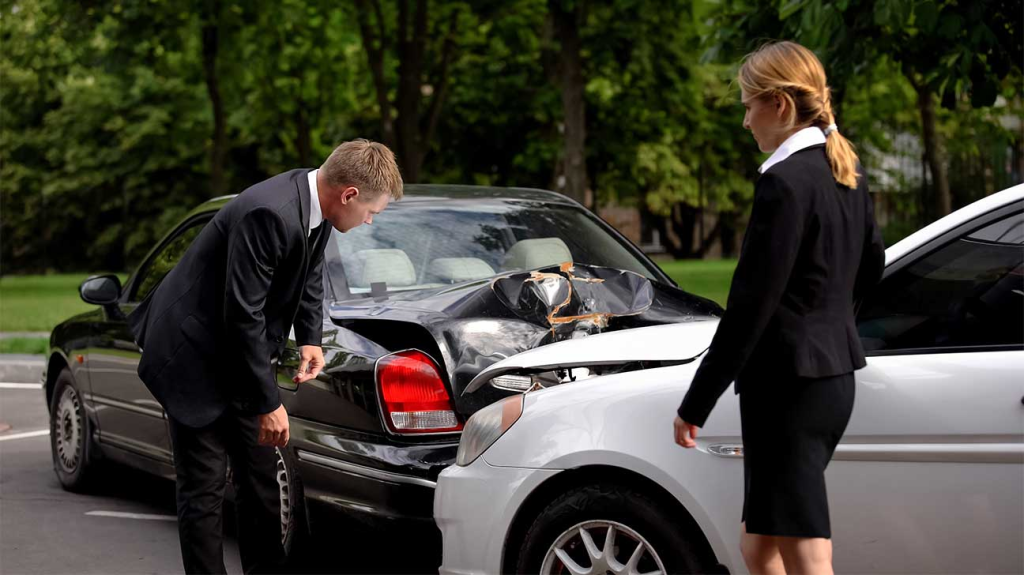
3. Gather Information from Everyone Involved
Once things calm a bit, exchange info with the other driver. Names, phone numbers, plates, and insurance details should all be collected. Keep it simple and factual. No apologies, no blame. Just the basics. If a driver seems hostile or refuses to cooperate, let the responding officers handle it. You’re not there to argue. You’re there to gather the pieces you’ll need later to prove what really happened.
4. Take Photos and Video of the Entire Scene
Your phone becomes your best tool right now. Capture the positions of the vehicles, skid marks, street signs, road conditions, and anything else that might matter. Get close-ups and wide shots. Record the weather, the lighting, and even traffic around you. These images often reveal details people forget once shock fades. Memory is shaky after a wreck, but photos don’t lie. They preserve the moment exactly as it was.
5. Talk to Witnesses While They’re Still There
If anyone nearby saw the crash, ask for their contact information before they disappear into their day. People mean well, but once they leave, they usually don’t come back. A quick recorded statement on your phone can be extremely valuable, but even a name and number helps. Witnesses often catch details from angles you didn’t see, and sometimes their version of events can reverse a wrong assumption about who caused the wreck.
6. Avoid Saying Too Much at the Scene
Everyone feels pressured to fill the silence, especially when emotions run high. Resist that urge. Don’t apologize or speculate. Don’t talk about speed, distractions, or guesses about what the other driver was doing. Casual comments get twisted later. Focus on staying calm and offering only factual information. Let the police handle statements and let the insurance companies sort through details later. Protecting yourself starts with saying less, not more.

7. Seek Medical Care as Soon as You Can
Even if you think you’re fine, get checked out. After a crash, adrenaline masks pain, sometimes for days. A doctor can spot injuries you’d overlook, from whiplash to internal bruising. Medical records also form the backbone of any insurance claim. Waiting too long creates gaps that insurers love to challenge. Go to urgent care, your doctor, or the ER depending on symptoms. Listen to your body and don’t tough it out.
8. Notify Your Insurance Company Promptly
Once you’re safe and calm, report the crash to your insurance provider. Stick to the basics and avoid offering long explanations. Insurance companies look for reasons to reduce or deny coverage, so keep the conversation simple. Let them know where and when it happened and whether there were injuries. You don’t have to give a full statement yet. You’re documenting the incident, not proving your case on day one.
9. Keep Every Record and Document You Can
Accident paperwork multiplies fast. Police reports, medical documents, repair invoices, prescriptions, photos, emails—save all of it. Create a folder or a digital file where everything lives. These materials build a timeline that lawyers rely on later. The more organized you are from the start, the stronger your position. Small details often become big evidence, so nothing is too minor to keep.
10. Reflect on What Happened Before Calling an Attorney
Take a breath before dialing a law firm. Think about how you feel, what hurts, and what confuses you most. Note what the other driver said, how the officers handled things, and whether witnesses seemed supportive. That reflection helps you ask sharper questions once you speak with legal help. You don’t need perfect clarity, just a sense of what happened. A good attorney can work with your honest recollection.

Conclusion
Handling these early steps after a crash protects you long before legal help steps in. When you do reach out for guidance, you’ll be in a stronger position to explain your situation and understand your options. Strong documentation, calm decisions, and early medical care all support your claim. When it’s time to speak with a fatal accident lawyer, you’ll already have the groundwork ready, giving you a better chance at real recovery and justice.


