


Let’s just get this out of the way first — if you’ve been in the backyard barbecue game for more than a summer or two, you’ve probably heard someone at a cookout swear up and down that their reverse flow offset smoker changed everything. And honestly? They’re not exaggerating much. There’s a reason pitmasters across Texas keep coming back to this design, generation after generation.
I’ve cooked on a handful of smokers over the years. Cheap bullet smokers, ceramic kamados, a pellet grill I regret buying, and eventually a proper offset. But nothing settled the “why does one side of my brisket cook faster than the other” problem quite like switching to reverse flow. So let’s talk about what makes this style different, why it matters, and why so many people end up hunting down custom smokers Texas builders make instead of grabbing something off a big box store shelf.
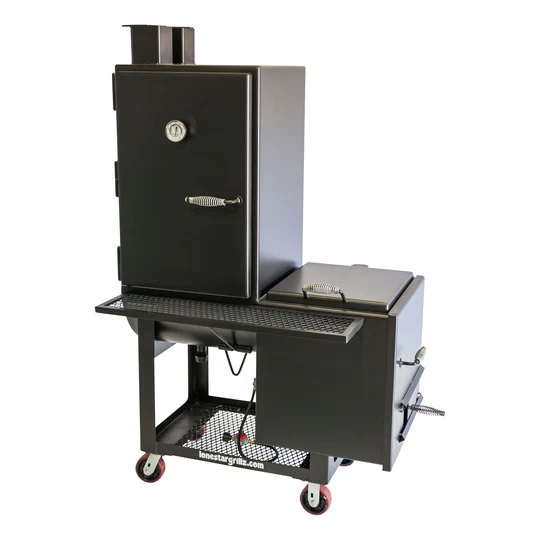
What Even Is a Reverse Flow Offset Smoker
A standard offset smoker is simple in theory. Fire box on one end, cook chamber in the middle, chimney on the other end. Smoke and heat travel from the firebox, across the meat, and out the stack. Sounds fine, right? Except in practice, the end closest to the firebox runs hotter than the end near the chimney. Sometimes by a lot. You end up babysitting the meat, rotating it, moving things around like you’re playing whack-a-mole with temperature swings.
A reverse flow offset smoker fixes this with one clever addition — a steel plate running underneath the cooking grates. Instead of smoke going straight across the top of the chamber, it gets forced underneath that plate first, travels the length of the smoker, and THEN rises up and flows back over the meat before exiting near the firebox side. That reversal (hence the name) evens out the heat dramatically. You still get hot spots, nothing is perfect, but it’s night and day compared to a traditional design.
It also acts like a built-in water pan area or grease management system depending on how the builder designs the plate, which is a nice side bonus nobody talks about enough.
Why Pitmasters Keep Choosing This Design
Look, you don’t need a reverse flow to make good barbecue. Plenty of legendary joints use traditional offsets and have been doing so for decades, no plate in sight. But if you’re someone who wants more consistency without constantly fiddling — moving briskets from the hot end to cool end every twenty minutes — reverse flow takes a lot of that guesswork away.
A few reasons people gravitate toward it:
More even temps across the whole cook chamber, so you’re not sacrificing one end of a rack of ribs to save the other. Better smoke distribution, since the smoke has to travel further before hitting the meat, giving it time to thin out and mellow rather than sitting thick and bitter. Easier for beginners to get a good result without years of fire management experience under their belt.
That last point matters more than people give it credit for. A traditional offset has a real learning curve. Reverse flow softens that curve a bit, which is part of why it’s become such a popular pick for home cooks who still want that stick-burner flavor without needing a physics degree in airflow.
Why Texas Builders Do This Design Justice
There’s a reason when people search for custom smokers Texas fabricators show up again and again in barbecue forums and Facebook groups. Texas has this weird, wonderful obsession with barbecue that borders on religious, and that culture bleeds directly into how smokers get built there. Thicker steel. Tighter seams. Actual attention paid to airflow engineering instead of just welding a tank together and calling it done.
A lot of mass-produced smokers use thin gauge steel that warps after a few hot seasons, and the seals are garbage from day one. Heat leaks out everywhere, and you end up burning double the wood just to hold temp. Custom builders, especially the ones working out of Texas shops, tend to use heavier gauge steel, sometimes quarter inch or thicker, which holds heat like a rock and just performs better over the long haul. It costs more upfront, sure. Nobody’s pretending it doesn’t. But ask anyone who’s owned both a cheap offset and a proper custom-built one, and they’ll tell you the difference is obvious within the first cook.
Custom builds also mean you’re not stuck with someone else’s idea of what your smoker should be. Want a bigger firebox because you cook for large groups? Fine. Want a warming box tacked onto the end, or a built-in charcoal basket, or wheels big enough to actually move the thing without breaking your back? A custom shop can do that. Off the shelf smokers don’t give you that flexibility, and honestly most of them weren’t designed by anyone who actually cooks competition barbecue for a living.
Things to Think About Before You Buy One
Not every reverse flow offset smoker is created equal, so don’t assume “reverse flow” on the label automatically means quality. Steel thickness matters a ton. So does the size and placement of that internal plate — a poorly designed one can actually choke airflow instead of helping it. Seams need to be tight, doors need to seal well, and the firebox to cook chamber ratio needs to make sense for the size of the unit.
If you’re mostly cooking for family, a smaller unit works fine and won’t eat through wood like crazy. If you’re feeding a crowd regularly, or thinking about competition cooking down the road, going bigger and heavier upfront usually saves you from buying twice. People underestimate how quickly they outgrow a starter smoker once they get the bug.
It’s also worth asking a builder about their steel gauge, how they handle the reverse flow plate (removable is nice for cleaning, by the way), and what kind of warranty or support they offer after the sale. A good custom shop will talk your ear off about this stuff because they’re proud of how they build. If a seller gets vague or dodges specifics, that tells you something too.
Final Thoughts
At the end of the day, a reverse flow offset smoker isn’t magic. It won’t turn a bad cook into a good one overnight, and you still gotta learn fire management, wood selection, and patience. But it does remove a lot of the frustration that turns beginners off from stick burners entirely. Combine that with a well-built, custom smokers texas built by people who actually understand barbecue — the kind of craftsmanship Texas builders are known for — and you’ve got a rig that’ll outlast a lot of trends and last you decades if you take care of it.
If you’re serious about upgrading your setup, it’s worth checking out what a dedicated builder can put together for you rather than settling for something mass-produced.
FAQs
1. Is a reverse flow offset smoker harder to clean than a regular offset? A little, yeah. That internal plate collects grease and ash, so you’ll want to pull it out and hose it down every so often. Most well-built units make the plate removable specifically for this reason, so it’s not as big a hassle as it sounds.
2. Do reverse flow smokers use more wood than traditional offsets? Not really more, just differently. Because the smoke travels a longer path before hitting the meat, you might run your fire slightly hotter to compensate, but overall wood usage tends to be pretty comparable to a standard offset once you get the hang of it.
3. What size smoker should I get if I’m just starting out? Depends on how much you cook and for how many people. If it’s just your household, something in the smaller-to-mid range is plenty. If you’re already thinking about cooking for parties or competitions, it’s smarter to size up now instead of buying a bigger one later.
4. Are custom smokers worth the extra cost compared to store-bought ones? For most serious cooks, yes. Thicker steel, better airflow design, and the ability to customize features means you’re getting something built to last, not something designed to be replaced in five years. It’s an investment, not just a purchase.


