

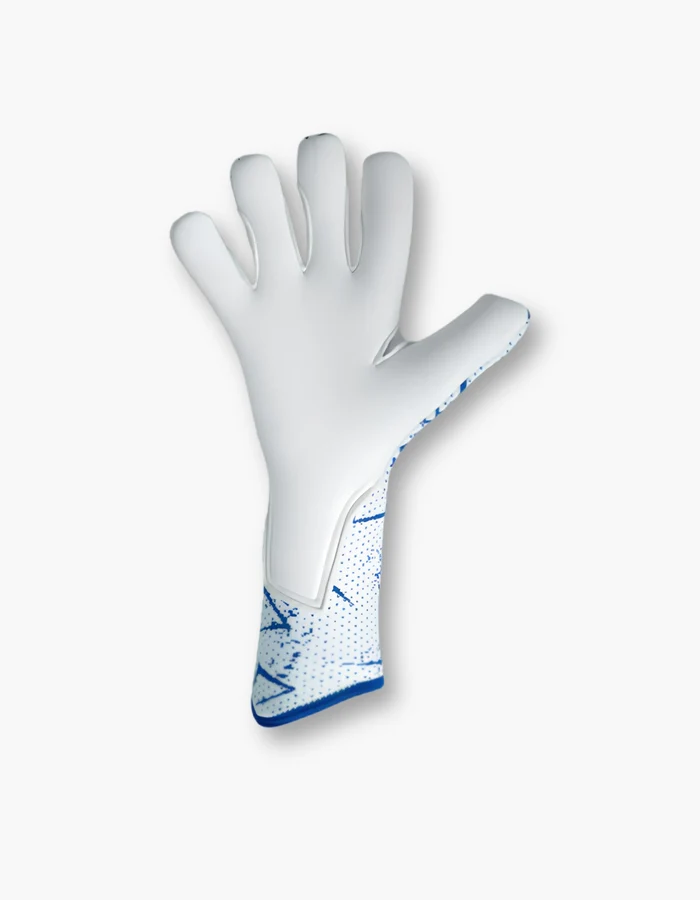
Goalkeeping demands quick reactions, strong concentration, and equipment that feels comfortable throughout training and matches. Gloves are one of the most important pieces of equipment because they support the hands during catches, saves, punches, and dives.
With different cuts, palm materials, sizes, and designs available, selecting a suitable pair can sometimes feel confusing. Understanding what to look for makes the process easier and helps players choose gloves based on their actual needs.
Start With the Right Glove Fit
Fit should be one of the first things a goalkeeper considers. A glove that sits correctly on the hand should feel secure while allowing natural finger movement.
Too much space around the fingertips can make the glove feel less precise. A glove that is too tight may become uncomfortable during extended training sessions.
Before purchasing, players should check the sizing information provided by the manufacturer and measure their hands where required.
Finding a Suitable Goalkeeper Glove Shop
A good goalkeeper gloves shop should make it easier for players to compare different styles and understand their features. Instead of choosing a glove based only on appearance, buyers should consider construction, intended use, grip, fit, and durability.
The needs of a young goalkeeper may be different from those of an experienced player. Similarly, someone who trains several times a week may have different priorities from a player who only competes occasionally.
A useful shopping experience should help players identify equipment that matches their playing habits.
Understanding Different Glove Cuts
The cut of a goalkeeper glove affects how it fits around the fingers and palm. Different constructions provide different sensations when handling the ball.
Some players prefer a close fit that provides a direct feeling around the fingers. Others may prefer a little more internal space for comfort.
There is no universal choice because hand shape and personal preference vary between players.
What Are Hybrid Cut Gloves?
Hybrid cut gloves combine characteristics from different traditional glove constructions. This design can offer a balanced feeling between fit, comfort, and finger movement.
For goalkeepers who are unsure about choosing one traditional cut, a hybrid construction can provide another option to consider.
The exact experience depends on the glove design, materials, and construction. Players should therefore look at the complete glove rather than focusing only on the cut name.
Why Grip Matters
Grip is a major consideration for goalkeepers because the hands need to control the ball during fast shots and difficult crosses.
Palm material plays an important role in grip. Different materials may perform differently depending on weather and playing conditions.
Players should also think about the balance between grip and durability. A glove used frequently for training needs to withstand regular contact with the ball and playing surface.
Comfort During Training and Matches
Comfort becomes increasingly important when gloves are worn for long periods. A goalkeeper who trains frequently needs gloves that feel natural during repeated movement.
The fingers should have enough freedom to move, while the wrist closure should provide a secure feeling.
Players should also consider the weight and overall construction of the glove. Even small differences can affect how comfortable a glove feels during extended use.
Selecting Gloves for Different Playing Needs
Not every goalkeeper needs the same type of glove. Beginners may prioritize comfort, ease of use, and affordability. Experienced players may have more specific preferences regarding palm material, cut, and grip.
Training gloves can also have different requirements from match gloves. Some players prefer a durable pair for regular practice and reserve another pair for competitive games.
Thinking about the intended use before buying can help avoid unnecessary spending.
The Importance of Durability
Goalkeeper gloves experience regular wear. Contact with the ball, ground, and other surfaces can gradually affect the palm and stitching.
Players who train frequently should consider durability when comparing options. A glove that remains usable through regular sessions can offer better overall value.
Proper care can also extend glove life. Following cleaning instructions and storing gloves correctly can help preserve their materials.
How to Care for Your Gloves
After training or a match, gloves should be cleaned according to the manufacturer’s recommendations. Removing dirt from the palm can help maintain its condition.
Once cleaned, gloves should be allowed to dry naturally. Direct heat should generally be avoided because it can affect the materials.
Gloves should also be stored in a suitable place where they are not exposed to unnecessary moisture or excessive heat.
What to Compare Before Buying
A simple comparison can make the decision easier. Goalkeepers should look at:
- Glove size
- Finger fit
- Cut
- Palm material
- Grip
- Wrist closure
- Flexibility
- Durability
- Intended playing conditions
- Frequency of use
Considering several features together gives a clearer picture of whether a glove is suitable.
Choosing Gloves With Confidence
The right glove should feel like a natural part of the goalkeeper’s equipment. When the fit is comfortable and the grip feels dependable, players can concentrate more fully on positioning, movement, and reading the game.
Equipment cannot replace practice or technique, but it can support a player’s preparation. A well chosen glove can also help create a consistent routine before training and matches.
When a Hybrid Design May Be Worth Considering
Players who want a balance between different glove characteristics may find hybrid cut gloves appealing. The design can combine aspects of different constructions while providing a comfortable fit.
However, players should consider their own preferences before making a decision. Hand shape, finger length, playing style, and comfort can all influence whether a particular construction feels right.
Trying different styles can be useful for players who are still discovering their preferred glove design.
Making the Shopping Process Easier
A thoughtful buying process starts with identifying what matters most. Players should consider how often they play, where they play, and what type of glove feels comfortable.
When browsing a goalkeeper gloves shop, comparing specifications and understanding the intended use of each design can make the selection process more straightforward.
Rather than choosing simply because a glove looks attractive, players should focus on whether it provides the features they actually need.
Conclusion
Selecting goalkeeper gloves involves more than choosing a design that looks good. Fit, grip, comfort, durability, palm material, and cut can all influence the overall experience.
A reliable shopping process helps players compare these features and find equipment suited to their playing needs. Hybrid designs provide another option for goalkeepers who want a balanced combination of characteristics.
With the right fit and regular care, a suitable pair of gloves can support confidence and comfort through training sessions and competitive matches.


