

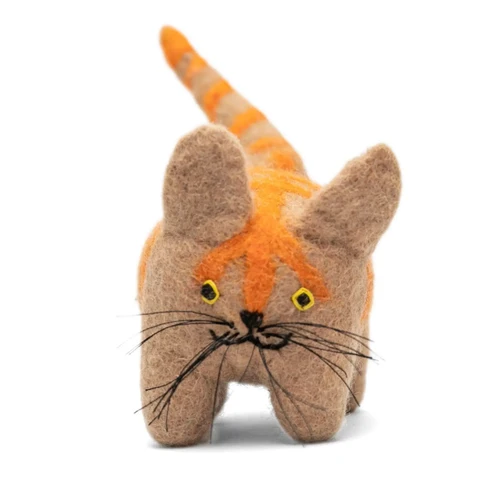
A handful of colourful wool fibres can become a tiny animal, a decorative ornament, or a thoughtful handmade gift. Felt products show how traditional skills and creative ideas can create unique items that appeal to modern buyers across markets. Their textures, vibrant colours, and handcrafted details make them popular choices for gifting, home décor, and speciality retail collections.
As consumers increasingly value handmade craftsmanship and distinctive designs, artisans have greater opportunities to reach customers beyond their local communities. Felt products wholesale can help retailers, gift shops, and distributors source handmade collections in larger quantities. By offering varied designs, consistent quality, and attractive product ranges, businesses can introduce traditional artistry to wider audiences while supporting artisan livelihoods and expanding their presence in competitive markets.
The Growing Appeal of Handmade Felt Products
Handmade felt items combine creativity, practical use, and cultural character. Their distinctive textures and designs appeal to buyers seeking alternatives to mass-produced decorations and gifts.
1. Traditional Craftsmanship Finding New Customers
Felt making connects traditional techniques with contemporary design preferences. Artisans transform wool fibres into decorative and functional products through processes that require patience, skill, and attention to detail. Every finished piece can reflect individual creativity, making handmade collections appealing to customers who value products with a human touch.
As international interest grows, felt products wholesale creates opportunities for businesses to introduce artisan-made collections to new audiences. Retailers can select products that suit seasonal displays, gift collections, home décor ranges, and speciality stores.
- Preserve traditional skills: Handmade production helps artisans continue established crafting practices.
- Reach wider audiences: Wholesale distribution connects workshops with retailers in different markets.
- Offer distinctive designs: Small variations give handmade products an individual character.
This link between heritage and modern demand lets traditional craft businesses explore new commercial opportunities without losing their creative identity.
2. Product Variety Creating Opportunities for Retailers
One reason felt products appeal to different customer groups is their versatility. Artisans can create colourful ornaments, keychains, decorative garlands, bags, accessories, toys, and seasonal decorations. Retailers can select products according to their customers’ interests, price expectations, and preferred styles.
A varied collection also makes it easier for shops to refresh displays throughout the year. Festive decorations may attract seasonal shoppers, while small accessories and animal figures can suit everyday gifting. Choosing a balanced product range helps businesses appeal to different occasions without relying on a single category.
- Home décor: Felt ornaments and garlands add colour and texture to interiors.
- Gift collections: Small handmade items can suit birthdays, celebrations, and souvenirs.
- Retail variety: Different shapes, colours, and sizes help shops serve diverse preferences.
Offering a carefully selected assortment can help retailers build an identifiable collection while giving customers more reasons to explore handmade products.
3. Handcrafted Felt Animal Toys Attracting Modern Buyers
Small felt animals often appeal to shoppers because they combine playful designs with the character of handmade work. Birds, rabbits, elephants, and other familiar figures can be used as decorative accents, collectables, gifts, or nursery accessories, depending on their construction and intended purpose.
Retailers exploring handcrafted felt animal toys should consider design consistency, stitching quality, materials, and age suitability. Products intended for children require particular care, including appropriate safety testing and compliance with applicable regulations. Clearly distinguish decorative figures from toys when they are not designed or tested for play.
- Distinctive designs: Animal shapes and expressive details create memorable products.
- Gift appeal: Small figures can suit souvenirs, celebrations, and themed collections.
- Quality checks: Inspect stitching, attachments, materials, and relevant safety requirements.
Well-designed animal figures can help artisan collections stand out while giving retailers opportunities to serve customers looking for charming, handmade gifts.
From Small Workshops to International Supply Chains
Expanding beyond local markets requires more than producing attractive goods. Artisans and suppliers must coordinate product quality, order quantities, packaging, communication, and delivery schedules. These practical considerations matter more when serving retailers across borders.
- Consistent production: Repeatable sizes, colours, and finishing standards help buyers maintain a coherent collection.
- Clear communication: Accurate product descriptions, photographs, dimensions, and material information make purchasing decisions easier.
- Reliable order planning: Realistic production schedules help suppliers manage larger orders without compromising craftsmanship.
- Suitable packaging: Protective packaging helps products arrive in good condition while supporting efficient storage and presentation.
Digital catalogues and online business platforms can also connect small workshops with customers who might otherwise struggle to discover their work. With careful planning, traditional makers can participate in wider markets while maintaining attention to the handmade details that distinguish their products.
Quality and Sustainability Shaping Customer Expectations
Today’s buyers often consider more than appearance when choosing handmade goods. They may want to understand the materials used, the production process, and the durability of each item. Honest product information helps retailers set appropriate expectations and build customer trust.
Felt products can offer long-term value when they are carefully constructed and used for their intended purpose. However, sustainability depends on several factors, including fibre sourcing, dyes, manufacturing practices, packaging, transportation, and product lifespan. Handmade production alone does not automatically guarantee environmental benefits.
- Material transparency: Explain the fibres and other materials used in each product.
- Durable construction: Look for secure stitching, clean finishing, and appropriate reinforcement.
- Responsible packaging: Consider practical packaging that limits unnecessary material use.
- Accurate descriptions: Clearly communicate care instructions and intended use.
Attention to these details can help businesses build trust with customers who value craftsmanship, product quality, and informed purchasing decisions.
Conclusion
The journey from a small artisan workshop to an international marketplace shows how traditional craftsmanship can adapt to changing customer interests. Felt products offer opportunities across gifting, décor, accessories, and speciality retail, while thoughtful sourcing helps businesses balance creativity with quality and commercial needs. Supporting handmade collections also gives buyers a way to discover distinctive designs rooted in skilled production.
For customers and retailers interested in Himalayan crafts, those looking to buy Nepali products online can explore different handmade collections and compare products according to their interests, gifting needs, or retail requirements. Best Himalaya provides a starting point for discovering its available handmade products and collections. They can review product details, materials, and shipping terms before placing an order. With informed choices and appreciation for artisan skills, buyers can help traditional craftsmanship reach new audiences while keeping its distinctive character alive.


