

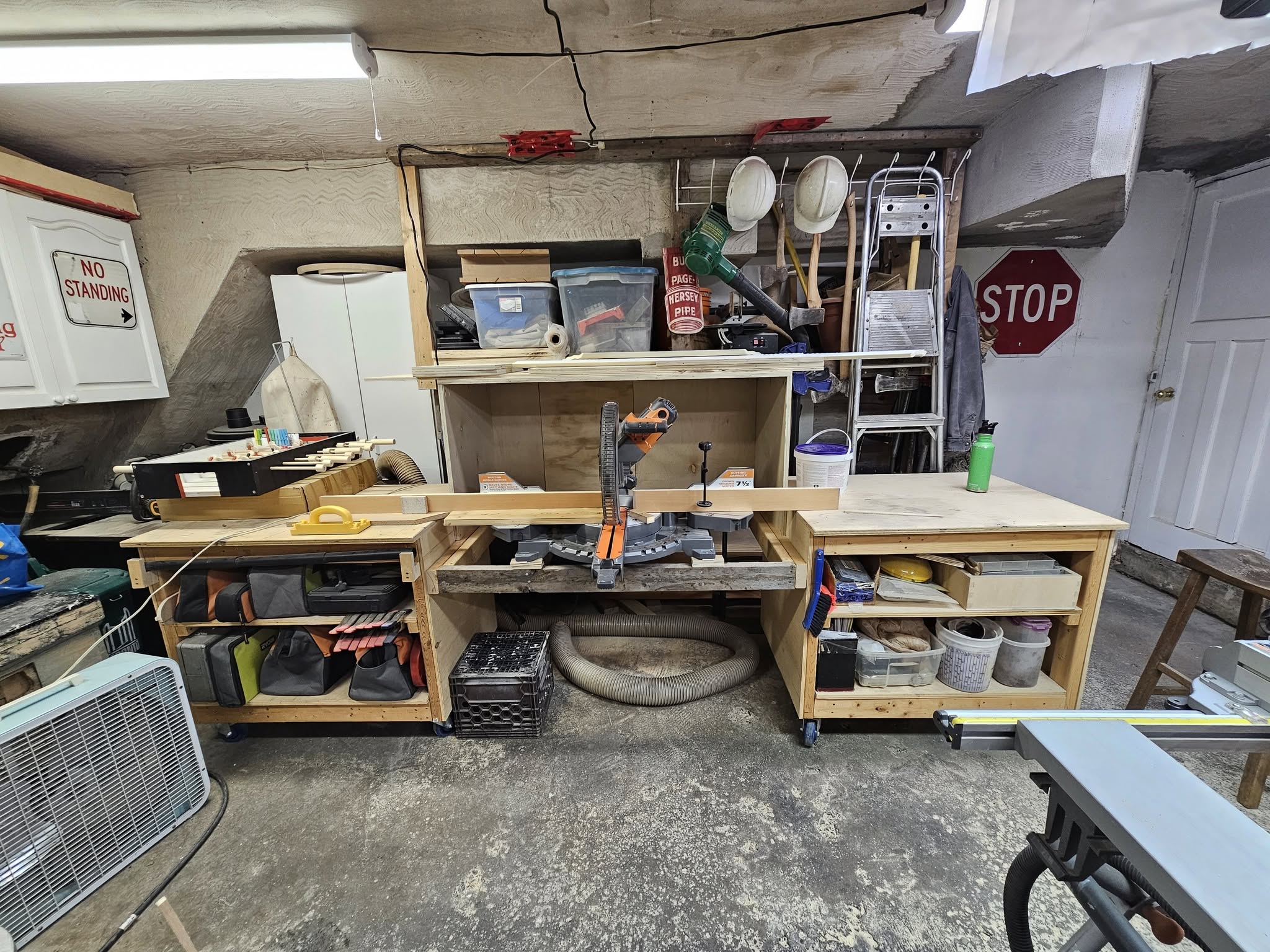
Living in a condo or a small house doesn’t mean you have to give up on building stuff. I hear this one constantly, people assuming they need a two car garage full of tools before they’re allowed to even try. That’s just not true, honestly, it never really was.
Most people who feel stuck here just haven’t found the right workshop rental space yet, something that gives them the tools and room without needing to own any of it themselves. Once that clicks, the whole “I don’t have space” excuse kind of disappears.
Why Not Having a Home Workshop Isn’t Actually a Dealbreaker
Not owning tools or space genuinely doesn’t stop you from building real projects. Shared workshop spaces exist specifically for this, giving you access to equipment and room by the hour or through a membership, without the upfront cost or permanent clutter of a home setup.
A lot of people assume renting a space is some kind of compromise, like it’s second best compared to having your own garage. Honestly, for most beginners it’s actually better, you get access to equipment way more expensive than what most people would buy for occasional projects anyway.
What Kind of Projects Can You Actually Build This Way?
Pretty much anything scaled to fit a session or two, cutting boards, small furniture, shelving, charcuterie boards, even bigger pieces if you book enough time. The space isn’t the limiting factor most people assume it’ll be.
Finding the Right Space for Your Project
Not every rental space is set up the same, and figuring that out before booking saves you a wasted trip.
- Check what tools are actually included versus what you need to bring
- Ask about hourly rates versus bundled packages if you’ll be back more than once
- Confirm whether material’s available on-site or if you’re supplying your own
- Look into whether instruction’s available if you’re newer to this
- Ask about booking flexibility, walk-in versus appointment only
That last one trips people up more than you’d think. Some spaces are strictly by appointment, so showing up spontaneously on a Saturday afternoon doesn’t always work the way people assume it will.
Step by Step: Planning a Project Without Your Own Shop
- Pick a project small enough to realistically finish in one or two sessions your first time
- Figure out roughly what tools and materials you’ll actually need
- Find a space nearby offering those tools, either shared access or structured class
- Book ahead, confirm what’s included, material and equipment both
- Show up with a plan, rough dimensions written down, not just an idea in your head
- Leave room in the schedule in case the first session runs long, it usually does
That last step matters more than people expect going in. First projects almost always take longer than planned, and that’s normal, not a sign you’re doing something wrong.
Why Some People Skip Renting and Take a Class Instead
If you’re going to need space more than once or twice, there’s a decent argument for skipping pure rental and going with structured classes instead, where you’re learning technique alongside getting access to tools.
A lot of people searching diy workshops toronto has available end up realizing the class route gives them both things at once, space and actual skill, rather than paying for access and figuring everything out alone through trial and error. Not the wrong choice either way, just worth knowing both options exist before picking one.
Is Renting Space Cheaper Than Taking a Class?
Depends on how often you’ll use it. One-off project, renting by the hour usually costs less upfront. Ongoing hobby, a class or bundled package often works out cheaper per session, plus you’re actually building real skill alongside the project.
What This Looks Like at GTA WoodWorks
We run hourly workshop rental space for makers who just need room and tools without the instruction piece, plus beginner classes for people who’d rather learn properly while building their first project. Plywood and hardwood available on-site if you don’t want to haul your own material in, and sessions run by appointment so booking ahead actually matters here.
If you’re trying to figure out whether renting space or taking a class fits your project better, give GTA WoodWorks a call at 416-706-7711 and we’ll help you figure out which route actually makes sense instead of just guessing.
FAQ
Do I need to learn carpentry basics before renting workshop space?
Not strictly, no, but some basic comfort with tools helps. Beginners without any background usually do better starting with a class instead of pure rental.
What woodworking safety tools should I expect a rental space to provide?
Safety glasses, push sticks, hearing protection at minimum. Reputable spaces have this covered, though it’s worth confirming before booking just in case.
Does a rental space usually have proper woodshop safety equipment set up?
It should, blade guards, dust collection, clear emergency protocols. If a space seems to be missing this stuff, that’s worth reconsidering before you book.
Where can I learn woodworking toronto has good beginner-friendly spaces for?
GTA WoodWorks offers both rental access and structured beginner classes, a solid starting point whether you want guidance or just tools and room.
Are woodworking classes for beginners better than just renting space alone?
For total beginners, usually yes. You’re getting the same access plus instruction, which tends to prevent costly mistakes on your first few projects.
Bottom Line
Not having a home workshop isn’t the obstacle people think it is. Between hourly workshop rental space and structured classes, there’s a real path to building whatever you’ve been putting off, no garage required. Whether you go the rental route or lean toward one of the many diy workshops toronto offers right now, the main thing is just starting, the space part sorts itself out faster than people expect.


