


Introduction
A baby carrier is one of the most practical baby essentials for new parents. It allows you to keep your baby close while keeping your hands free for everyday tasks. Whether you’re shopping, traveling, doing household chores, or taking a walk, a baby carrier offers comfort, convenience, and security for both you and your little one.
Beyond convenience, baby carriers also promote bonding by keeping your baby close to your heartbeat, warmth, and voice. This closeness can help babies feel calm, secure, and connected during their early months.
At Kids Station, we understand that every parenting journey is unique. That’s why we offer baby carriers designed with safety, comfort, and ergonomic support in mind, making everyday adventures easier for both parents and babies.
What Is a Baby Carrier?
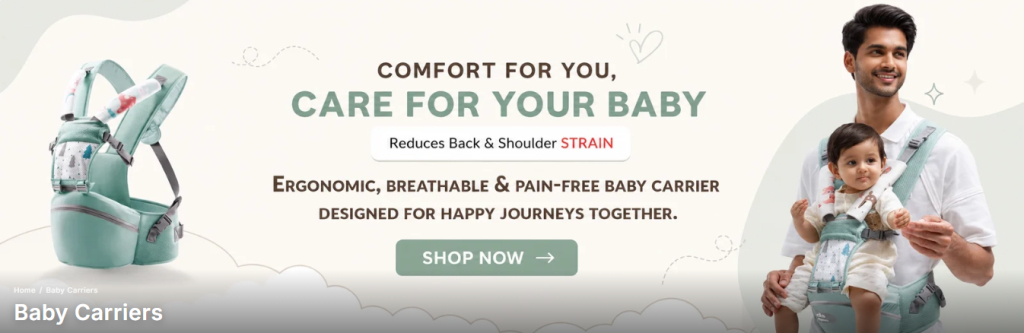
A baby carrier is a wearable baby-carrying device that securely holds your baby against your body. Unlike carrying your baby in your arms for long periods, a baby carrier distributes weight evenly across your shoulders, back, and hips, reducing strain and improving comfort.
Modern baby carriers are designed to support babies from infancy through toddlerhood while promoting healthy posture and proper hip positioning.
They are ideal for:
- Daily walks
- Shopping trips
- Family vacations
- Outdoor activities
- Airport travel
- Household chores
- Baby soothing and naps
Benefits of Using a Baby Carrier
Keeps Your Baby Close
Babies feel more secure when they are close to their parents. A baby carrier helps strengthen emotional bonding through constant physical contact.
Hands-Free Convenience
A baby carrier allows parents to cook, shop, work around the house, or care for older children while safely carrying their baby.
Supports Healthy Development
Ergonomic carriers support your baby’s natural sitting position and healthy hip development.
Reduces Physical Strain
Unlike carrying your baby in your arms, a well-designed baby carrier evenly distributes weight across your body, making it more comfortable during extended use.
Calms Fussy Babies
The gentle movement and closeness of a baby carrier often help soothe crying babies and encourage longer naps.
Different Types of Baby Carriers
Choosing the right baby carrier depends on your baby’s age, weight, and your lifestyle.
Soft Structured Carrier
These carriers feature padded shoulder straps and waist belts, providing excellent support for parents and babies during extended use.
Wrap Carrier
Made from long pieces of soft fabric, wrap carriers allow parents to create a snug fit for newborns and young infants.
Ring Sling
A ring sling is lightweight, compact, and ideal for quick trips or breastfeeding support.
Mei Tai Carrier
Combining features of wraps and structured carriers, Mei Tai carriers offer adjustable comfort and versatility.
Hip Seat Carrier
Hip seat carriers provide additional support for older babies and toddlers while reducing pressure on the parent’s back.
How to Choose the Best Baby Carrier
Selecting the right baby carrier ensures both safety and comfort.
Ergonomic Design
Choose a carrier that supports your baby’s hips in the recommended “M” position while supporting the neck and spine.
Adjustable Fit
Adjustable straps allow both parents to use the same carrier comfortably.
Breathable Fabric
Soft, breathable materials help keep both parent and baby cool during everyday use.
Strong Safety Buckles
Reliable buckles and secure fasteners provide additional peace of mind.
Easy to Clean
Machine-washable or easy-to-clean fabrics simplify everyday maintenance.
Weight Capacity
Always choose a carrier suitable for your baby’s current weight and future growth.
When Can You Start Using a Baby Carrier?
Most baby carriers can be used from birth, provided they offer proper newborn support. Some models include infant inserts or adjustable settings to accommodate younger babies.
As your child grows, many carriers can be adjusted for:
- Newborns
- Infants
- Older babies
- Toddlers
Always follow the manufacturer’s age and weight recommendations.
Safe Babywearing Tips
Using a baby carrier correctly is essential for your baby’s safety.
Keep Baby’s Face Visible
Your baby’s face should always remain uncovered and easy to see.
Maintain an Upright Position
Carry your baby upright with their chin away from their chest to support healthy breathing.
Support the Hips
Ensure your baby’s legs are positioned in the ergonomic “M” shape for healthy hip development.
Check Straps Regularly
Before each use, inspect buckles, straps, and stitching for signs of wear.
Dress for the Weather
Remember that your body heat also warms your baby, so avoid overdressing.
Never Use During High-Risk Activities
Avoid using a baby carrier while cycling, running, cooking over hot surfaces, or participating in activities where falls are possible.
Caring for Your Baby Carrier
Proper maintenance helps extend the life of your baby carrier.
- Follow the washing instructions provided by the manufacturer.
- Clean spills and stains promptly.
- Air dry whenever possible.
- Store in a dry, clean place.
- Inspect buckles and straps regularly.
- Replace the carrier if you notice excessive wear or damage.
Why Choose Kids Station Baby Carriers?
At Kids Station, we design baby products that combine safety, comfort, and practicality for modern families.
Our baby carriers feature:
- Ergonomic design for healthy hip support
- Soft, breathable fabrics
- Adjustable shoulder and waist straps
- Secure buckles and reinforced stitching
- Comfortable weight distribution
- Suitable for growing babies
- Easy-to-clean materials
- Stylish and practical designs
Whether you’re heading out for a walk, traveling, or simply managing daily tasks at home, Kids Station baby carriers help you stay close to your baby while enjoying greater freedom and comfort.
Frequently Asked Questions
What is a baby carrier?
A baby carrier is a wearable device that allows parents to carry their baby securely while keeping their hands free for everyday activities.
At what age can a baby use a carrier?
Many ergonomic baby carriers are suitable from birth with proper newborn support, while others are recommended from around 3–4 months. Always check the manufacturer’s guidelines.
Is a baby carrier safe for newborns?
Yes, when used correctly. Choose a carrier designed for newborns and ensure your baby’s airway remains clear and their neck is properly supported.
Can I use a baby carrier for long periods?
Yes, provided both you and your baby remain comfortable. Take regular breaks, check your baby’s position frequently, and follow the recommended weight limits.
How do I know if my baby carrier fits correctly?
The carrier should hold your baby close enough to kiss, support their hips and back, and distribute weight evenly across your shoulders and waist.
Conclusion
A baby carrier is more than just a convenient parenting accessory—it’s a practical way to keep your baby safe, comfortable, and close while making everyday life easier. By choosing an ergonomic, high-quality carrier, you can enjoy hands-free convenience while supporting your baby’s healthy development.
With Kids Station baby carriers, parents can experience the perfect balance of comfort, safety, and style. Whether you’re welcoming a newborn or caring for an active infant, our thoughtfully designed carriers help make every journey together more enjoyable.
Summary
A baby carrier provides a safe and comfortable way to carry your baby while keeping your hands free. It promotes parent-child bonding, supports healthy hip development, and makes everyday activities easier. Kids Station offers ergonomic, durable, and comfortable baby carriers designed to support both parents and babies through every stage of early childhood.


