


A brain stroke can happen suddenly, changing lives in an instant. It occurs when blood flow to the brain is blocked or a vessel bursts, causing brain cells to die quickly. Acting fast can save lives and prevent long-term complications, making awareness of strokes vital for everyone. In this blog, we will explore the common symptoms to watch for, the risk factors that increase vulnerability, and the treatment options available for effective recovery. Understanding these aspects helps readers respond promptly, protect brain health, and make informed decisions for themselves and loved ones.
What is a Brain Stroke?
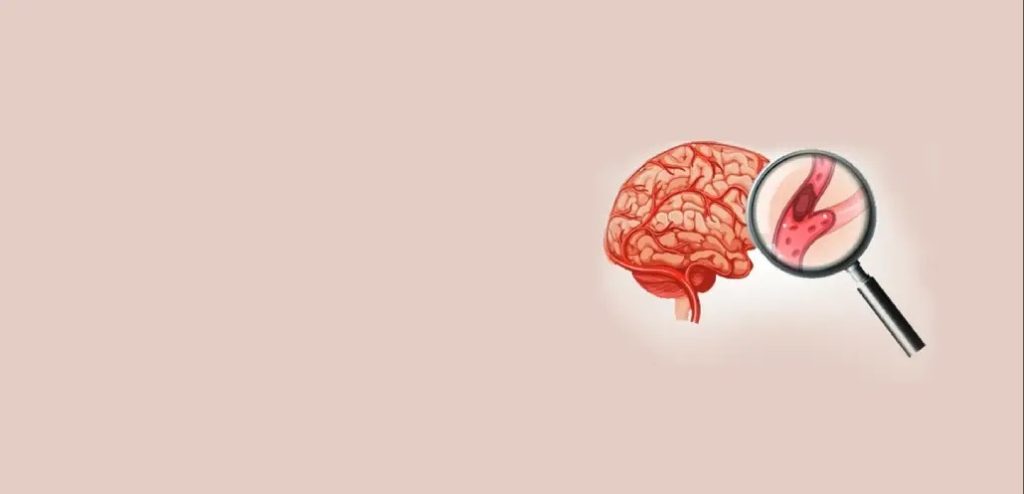
A brain stroke occurs when the blood supply to a part of the brain is interrupted, cutting off oxygen and essential nutrients to brain cells. This sudden disruption can affect movement, speech, memory, and other vital functions. Seeking timely care from an experienced vascular surgeon Ahmedabad can play an important role in stabilising the condition and supporting better recovery outcomes.
- Ischemic Stroke: This type happens when a blood clot or plaque blocks a vessel in the brain. It is the most common stroke type, accounting for roughly 85% of cases. The blockage stops oxygen from reaching brain tissue, which can cause lasting damage if untreated.
- Hemorrhagic Stroke: Hemorrhagic strokes happen when a blood vessel in the brain bursts, causing bleeding. The leaked blood can harm nearby brain tissue and increase pressure inside the skull. While less common than other strokes, they tend to be more serious and require prompt medical attention.
Recognizing the Symptoms of a Brain Stroke
Spotting stroke symptoms early is crucial. Rapid action can save lives and reduce the risk of permanent disability. Common warning signs include:
- Face drooping: One side of the face may sag or the smile may appear uneven.
- Arm weakness: Difficulty lifting or keeping one arm steady.
- Speech difficulty: Slurred speech, trouble finding words, or difficulty understanding others.
- Loss of balance or coordination: Dizziness, trouble walking, or sudden falls.
- Time to call emergency services: Immediate medical attention is critical; delays can worsen outcomes.
Quick identification of these symptoms ensures access to timely Brain Stroke Treatment, improving the likelihood of successful recovery.
Key Risk Factors for Brain Stroke
Certain factors increase the risk of having a stroke. Being aware of them helps in prevention and early intervention.
- High blood pressure: Excess pressure damages arteries, making them more likely to narrow or rupture.
- Diabetes: High blood sugar levels can harm blood vessels, increasing stroke risk over time.
- High cholesterol: Cholesterol buildup in arteries can restrict blood flow to the brain, leading to ischemic strokes.
- Smoking and alcohol: Smoking damages blood vessels, while excessive alcohol can raise blood pressure and affect clotting.
- Obesity and sedentary lifestyle: Being overweight or inactive increases the risk of hypertension, diabetes, and vascular disease.
- Age and family history: Older adults and those with a family history of stroke have a higher susceptibility.
Recognizing these risk factors allows individuals to take proactive steps. Lifestyle changes, regular medical check-ups, and targeted interventions can significantly lower the chances of needing complex Stroke Treatment.
How is Brain Stroke Diagnosed?
Timely diagnosis is essential for effective treatment. Doctors use several diagnostic methods to determine stroke type and severity:
- CT Scan or MRI: Provides detailed images of brain tissue to detect clots or bleeding.
- Blood Tests: Assess cholesterol, sugar levels, and clotting ability.
- Carotid Ultrasound or Echocardiogram: Detects blockages in arteries or heart-related causes.
Early diagnosis allows medical experts, including a vascular surgeon in Ahmedabad, to select the most suitable treatment plan. Prompt identification of the stroke type can greatly improve recovery outcomes and reduce complications.
Treatment Options for Brain Stroke
Treatment varies depending on stroke type, severity, and patient condition. It focuses on restoring blood flow, controlling complications, and rehabilitating lost functions.
Emergency Treatments
- Clot-busting drugs (thrombolytics): Effective for ischemic strokes if given early.
- Surgery for hemorrhagic strokes: Relieves pressure, repairs ruptured vessels, and prevents further damage.
Medical Management
- Medications: Blood thinners, antihypertensives, and cholesterol-lowering drugs.
- Lifestyle modification: Adjusting diet, exercise, and quitting smoking or alcohol to prevent recurrence.
Rehabilitation Therapies
- Physiotherapy: Helps regain mobility and strength.
- Occupational therapy: Teaches adaptive skills for daily tasks.
- Speech therapy: Successful Brain Stroke Treatment usually involves a team of specialists working together to provide the best care for recovery.
Effective brain stroke treatment in Ahmedabad often involves a multidisciplinary team. Consulting a vascular surgeon ensures the right combination of emergency care, medical management, and rehabilitation, tailored to the patient’s needs.
Preventing Brain Stroke: Lifestyle and Medical Advice
It’s always wiser to take steps to prevent a stroke than to deal with one after it happens.
- Maintain healthy blood pressure and cholesterol levels through diet and medication if needed.
- Exercise regularly and follow a balanced diet rich in fruits, vegetables, and whole grains.
- Quit smoking and limit alcohol to reduce vascular damage.
- Routine check-ups with specialists, including a vascular surgeon, can detect risks early.
Proactive health management and awareness of personal risk factors can significantly reduce the likelihood of a stroke. Small daily actions combined with regular medical guidance make a big difference in protecting brain health.
Frequently Asked Questions (FAQ)
Q1: How quickly should someone act if stroke symptoms appear?
A: Immediate action is crucial. Call emergency services as soon as any symptoms appear. Rapid treatment can save brain cells and reduce long-term disability.
Q2: Can strokes be completely prevented?
A: While not all strokes are preventable, managing blood pressure, diabetes, cholesterol, and lifestyle choices can greatly reduce the risk.
Q3: Is rehabilitation necessary after a stroke?
A: Yes. Rehabilitation therapies like physiotherapy, occupational therapy, and speech therapy help regain independence and improve quality of life.
Q4: How can I find the right doctor for treatment?
A: Consulting a specialist, such as a vascular surgeon, ensures proper diagnosis and tailored treatment options.
Conclusion
Recognizing stroke symptoms early, understanding risk factors, and seeking timely medical care are critical for better outcomes. Expert guidance from a vascular surgeon ensures tailored treatment and a structured recovery plan. At Dev Hospital, comprehensive Brain Stroke Treatment focuses on emergency care, medical management, and rehabilitation therapies to maximize recovery and quality of life. By staying informed, maintaining a healthy lifestyle, and scheduling routine check-ups, individuals can actively protect their brain health. Early intervention and proactive care truly make the difference between recovery and long-term complications.


