

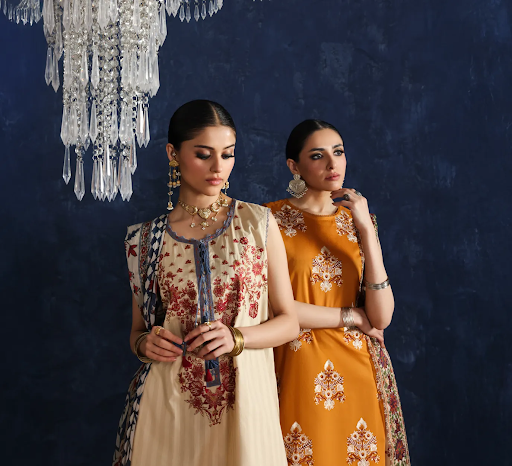
A well-fitted Pakistani suit combines traditional style with everyday comfort, creating an elegant look for casual outings, family gatherings, weddings, and festive celebrations. However, finding the right fit can be challenging when shopping online, especially because Pakistani clothing sizes may differ from standard UK sizing. Shirt length, shoulder width, sleeve measurements, trouser style, and fabric type all affect the final appearance. Understanding these details makes it easier to select a Pakistani suit UK shoppers can wear confidently without unnecessary alterations. A practical size guide also helps when comparing stitched suits, unstitched fabric sets, and ready-to-wear collections from different clothing retailers.
Understanding Pakistani Suit Sizes in the UK
Pakistani suits are commonly available in sizes such as XS, S, M, L, XL, and XXL, while some retailers also provide UK dress sizes. However, there is no universal conversion chart because sizing standards vary between brands and designs. A medium-sized suit from one retailer may have different chest measurements or garment lengths from a medium-sized suit elsewhere. Instead of relying only on the size label, check the retailer’s individual measurement chart. Comparing actual body measurements with the listed size information provides a more reliable starting point for selecting a comfortable and flattering outfit.
How to Take Accurate Body Measurements
Accurate measurements are essential for finding a Pakistani suit that fits properly. A flexible measuring tape should be used while standing naturally, without pulling the tape too tightly or leaving excessive space. Record the chest, waist, hip, shoulder, sleeve, and preferred shirt-length measurements. For trousers, measure the waist, hips, inside leg, and desired trouser length where relevant. Keep the tape level when measuring around the body, and ask a tailor for assistance if the measurements are difficult to take independently. Comparing these figures with the retailer’s size chart helps reduce sizing mistakes when ordering online.
Getting the Shirt or Kameez Length Right
The kameez is a defining part of a Pakistani suit, and its length significantly influences the overall appearance. Shorter kameez designs often create a contemporary look, while longer styles offer a more traditional silhouette. The ideal length depends on personal preference, height, the cut of the garment, and the accompanying trousers. Straight-cut suits often work well with different lengths, while Anarkali-style designs may require a different balance because of their flared shape. Before purchasing, check the garment length in centimetres or inches rather than relying on model photographs. A suitable length should allow comfortable movement and create balanced proportions.
Checking Shoulder Width and Chest Fit
Shoulder width is one of the clearest indicators of whether a stitched Pakistani suit fits correctly. The shoulder seams should generally sit close to the natural shoulder edge without hanging too far down or pulling inward. Excessively narrow shoulders can restrict arm movement, while overly wide shoulders may create a loose, untidy appearance. The chest should have enough room for comfortable breathing, sitting, and reaching without causing fabric strain or visible pulling. A relaxed fit is common in traditional Pakistani clothing, but excessive looseness can affect the overall shape. Reviewing shoulder and chest measurements before ordering can help achieve a more balanced fit.
Choosing the Correct Sleeve Length
Sleeve length affects both comfort and appearance, particularly in formal and embroidered Pakistani suits. Full sleeves should generally reach the wrist area, while three-quarter sleeves and shorter styles are designed to finish higher on the arm. The correct measurement depends on the intended design and individual arm length. Sleeve width also matters because heavily fitted sleeves may restrict movement, especially around the elbow. When checking product details, look for both sleeve length and style information. If a suit has decorative cuffs, embroidery, or embellished borders, allow for these features when considering possible alterations because shortening the sleeves may affect the original design.
Selecting the Right Trouser Fit
Pakistani suits are paired with several trouser styles, including straight trousers, cigarette pants, palazzos, shalwars, and churidars. Each style has a different shape, so the best fit depends on the intended silhouette. Straight trousers should provide comfortable movement through the hips and thighs without excessive fabric bunching. Palazzos need sufficient width to maintain their flowing appearance, while cigarette pants usually follow a narrower cut. Traditional shalwars offer more room through the leg, and churidars are designed with a closer fit and gathered fabric near the ankle. Check the waist, hip, thigh, and length measurements to ensure that the chosen style fits comfortably.
Pakistani Suit UK Size Conversion Guide
UK clothing sizes can be useful when comparing Pakistani suits, but conversion charts should be treated as a general reference rather than a guarantee. Different brands use different measurement standards, and the cut of a garment can change how a particular size fits. The table below provides a broad starting point for comparing common UK women’s clothing sizes with familiar letter-based labels.
| UK women’s size | Approximate letter size |
| UK 6–8 | XS |
| UK 10–12 | S |
| UK 14–16 | M |
| UK 18–20 | L |
| UK 22–24 | XL |
| UK 26–28 | XXL |
These ranges are approximate and are not universal Pakistani suit measurements. Always compare bust, waist, hip, and garment measurements against the specific retailer’s chart before ordering. Men’s Pakistani suits may follow different sizing conventions, so chest, shoulder, waist, and length measurements are especially important when purchasing men’s shalwar kameez.
Stitched vs Unstitched Pakistani Suits
Stitched and unstitched Pakistani suits require different sizing considerations. A stitched suit already has a finished shape, so measurements such as chest width, shoulder width, sleeve length, and shirt length should match the intended fit. Unstitched suits provide fabric for custom tailoring, allowing adjustments to length, sleeve style, and overall width. However, the available fabric must be sufficient for the selected design and measurements. Before purchasing an unstitched suit, check the fabric lengths, included pieces, and any limitations affecting larger sizes or elaborate designs. Confirming these details with a tailor can help prevent fabric shortages and unexpected tailoring costs.
How Fabric Affects the Fit of a Pakistani Suit
Fabric influences how a suit hangs, stretches, and feels throughout the day. Lawn and cotton are generally lightweight options suitable for warmer weather, while chiffon and organza can create a softer or more structured appearance depending on the construction. Silk and velvet often have a richer finish and may feel heavier than everyday fabrics. Embroidery, lining, pleats, and decorative panels can also affect the garment’s weight and movement. A fitted design made from a non-stretch fabric may require more precise measurements than a relaxed cotton suit. Checking fabric composition and lining details helps set realistic expectations about comfort and the final silhouette.
Common Pakistani Suit Fitting Mistakes to Avoid
Several simple mistakes can lead to poor fit when buying clothing online. Relying only on an S, M, or L label can result in sizing errors, while ignoring garment length may create an unbalanced appearance. Choosing trousers without checking hip and thigh measurements can reduce comfort, particularly in narrow styles. Another common mistake is assuming that model photographs represent the exact fit on every body shape. To reduce these risks, review the complete size chart, compare measurements carefully, read customer feedback, and check the return or exchange policy. For expensive formal outfits, allowing time for professional alterations can provide additional peace of mind.
Where to Explore Pakistani Suit Styles at Filhaal UK
Filhaal UK is worth considering when exploring Pakistani suits for traditional occasions, everyday outfits, and special celebrations. Before selecting a design, review the available collections, sizing details, garment measurements, fabric descriptions, and delivery information to identify a suitable option. Clear product information can make it easier to compare different styles, from classic shalwar kameez to contemporary formal suits. Checking the return policy and available customer support is also useful when a size or measurement requires clarification. A thoughtful approach to fit, fabric, and comfort helps make online shopping more straightforward and supports a better clothing choice for the UK market.


