



Most people don’t talk about interior photography like it matters much. They should. Because it does. A lot. Not in a flashy way. That pause? That’s the photo doing its job. Good interior photography doesn’t shout. It nudges. It lets a space breathe. This is the part that’s hard to explain to clients sometimes. They want to be sharp. They want wide. Sure. But what they really need is emotional accuracy. A space that feels honest. That’s where a Sacramento home interior photographer earns their keep, not by overcorrecting, but by knowing when to step back and let the room speak without interference.
Why Homes Are Harder to Photograph Than They Look
Interior photography sounds easy until you actually try it. Four walls. A window. Maybe a couch. But homes fight back. Mixed lighting. Tight corners. Homes aren’t blank boxes. Someone lives there. Or did. There’s history baked into the walls, even when it’s staged. The trick is not erasing that entirely. Too messy and buyers can’t see themselves in it. That balance is the whole game. It’s less about gear and more about judgment. Knowing when to straighten a chair and when to leave it slightly off. Because slightly off is often more real.
Light Is the Boss, Always Has Been
You can fake a lot in photography. Light isn’t one of them. You can add, soften, bounce, or kill it. But you can’t ignore it. Natural light tells the truth fast. It shows proportions. It shows warmth. It also shows flaws, which is why some people avoid it. Big mistake. The best interior photos don’t hide shadows completely. They respect them. A room with no shadows feels flat. Dead. Real rooms have contrast. Corners get dark. Highlights bloom near windows. That’s human vision.
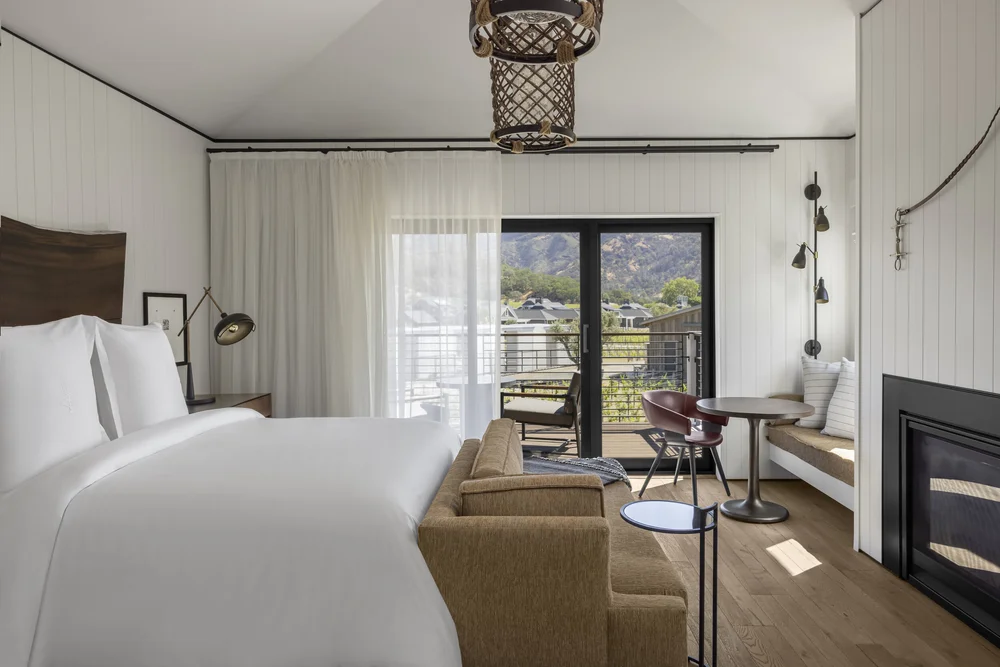
Wide lenses are useful. Necessary, even. But wide doesn’t mean better. There’s a point where wide turns into dishonesty. Lines bend. Rooms look bigger than they are. Buyers show up and feel tricked. That’s a fast way to lose trust. Good interior photography uses width with restraint. It shows space, but also detail. The curve of a stair rail. The texture of a rug. The way a kitchen island anchors the room instead of floating awkwardly. These details ground the image. They make the wide shot believable.
People think styling means adding stuff. Sometimes it does. More often, it means removing things. Editing the space down to its clearest version. You’re not creating a lifestyle fantasy. You’re clearing noise. Too many pillows distract. Too much art confuses scale. A single plant, placed well, can do more than five decorative objects fighting for attention. This is where collaboration matters. Photographers, stagers, homeowners, agents. When it works, it feels easy. When it doesn’t, the photos show it immediately. The camera is ruthless that way. It catches clutter that eyes learn to ignore in person. That’s not a flaw. That’s the point.
Regional Homes, Regional Sensibilities
Homes aren’t universal. They carry the personality of where they exist. What works in one market can feel wrong in another. A bright, airy approach that fits coastal properties might feel out of place somewhere more grounded and traditional. That’s why experience matters locally. A San Diego home photographer understands how ocean light behaves differently than inland sun. How open layouts want flow, not rigid framing. How casual elegance reads better than over-formality in certain neighborhoods. It’s not about trends. It’s about context. Photos should feel like they belong where the house is, not like they were copy-pasted from somewhere else.
Editing That Knows When to Stop
Post-processing is where a lot of good work goes bad. Too much clarity. Over-saturated colors. Whites pushed until they glow unnaturally. It looks impressive for about three seconds, then it feels off. Editing should support the capture, not rewrite it. The goal is consistency. Color that feels stable. Lines that stay straight without screaming about it. Windows that hold detail without looking fake. When editing is done right, no one notices it. They just feel comfortable looking at the image longer. That’s the win. If someone comments on how “clean” the edit is, something probably went too far.
Trust Is Built Before the Showing
Here’s something agents don’t always say out loud. Buyers decide how they feel before they ever walk through the door. Photos build expectations. When those expectations are met in person, trust forms fast. When they’re not, everything feels uphill. Honest interior photography creates alignment. It attracts the right people. It filters out the wrong ones. That saves time. And frustration. A good Sacramento home interior photographer knows that their job isn’t to sell the house directly. It’s to set the emotional tone accurately so the showing can do its job without friction.
Homes Are Emotional Products, Whether We Like It or Not
You can talk numbers all day. Price per square foot. Market comps. Days on market. At the end of it, someone is choosing a place to live. That’s emotional. Interior photography sits right at that intersection of logic and feeling. It has to make sense visually while still leaving room for imagination. The best images don’t answer every question. They invite a few. What would mornings be like here? Where would guests gather? That sense of possibility is powerful. You don’t get it by being flashy. You get it by being thoughtful.
The Long-Term Value of Doing It Right
Good interior photography doesn’t just help one listing. It builds a reputation. Agents known for clean, honest visuals get taken more seriously. Photographers who deliver consistency get repeat work. Homeowners feel respected when their space is represented well. That memory matters. It’s part of branding, whether intentional or not. Doing it right costs a bit more effort upfront. It pays back quietly, over years.
Choosing the Right Photographer Isn’t About Price
Price matters, sure. But it shouldn’t be the only filter. Look at portfolios slowly. Notice how rooms feel across different homes. Are the images consistent? Do they feel calm? Do they feel believable? Ask how they handle light, styling, timing. A solid San Diego home photographer will talk more about process than gear. That’s usually a good sign. Gear changes. Judgment doesn’t. You’re hiring taste as much as skill. Maybe more.
Interior Photography Is a Translation Job
At its core, this work is translation. Turning a physical space into a visual story that makes sense online. That’s not easy. Screens flatten things. Context disappears. Good photographers rebuild that context thoughtfully. Through angles, light, pacing. Through knowing what to show and what to leave out. When it works, the images don’t feel like marketing. They feel like an invitation. Come see this. It might fit you. And sometimes, that’s all it takes.
FAQs:-
How many photos does a typical interior shoot include
It depends on the size and layout, but most homes benefit from a focused set rather than volume. Enough to tell the story without repeating the same angle over and over.
Should interiors always be photographed during the day
Not always. Natural light is great, but timing matters. Early morning or late afternoon can create softer, more directional light that feels better than harsh midday sun.
Do photographers provide styling or staging help
Many do, at least at a basic level. Full staging is often a separate service, but good photographers will guide what to remove or adjust before shooting.
How important is editing in interior photography
Editing matters, but restraint matters more. The goal is accuracy and consistency, not dramatic transformation.


