

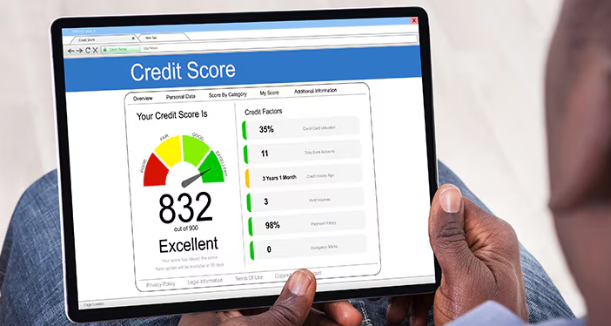
Before diving into how to find your CIBIL score, it’s important to understand what it is. A CIBIL score is a three-digit number that ranges from 300 to 900, which reflects your credit history and credibility as a borrower. A higher score typically suggests that you are a reliable borrower, whereas a lower score indicates a higher risk for lenders.
Understanding your creditworthiness is crucial in today’s financial landscape. One way to gauge this is by checking your CIBIL score. This article provides important insights on how to find the CIBIL score, tips on how to improve your credit score, and why understanding both is essential for financial health.
Why is the CIBIL Score Important?
The CIBIL score plays a critical role in various financial decisions, such as loan approvals, credit card applications, and even employment background checks. Lenders use this score to evaluate your creditworthiness and decide on interest rates, credit limits, and other terms.
How to Find Your CIBIL Score
Now that you understand the significance of a CIBIL score, let’s explore various methods for finding your score.
1. Official CIBIL Website
The most reliable way to check your CIBIL score is through the official CIBIL website. Here’s how:
- Register or Log In: If you are a new user, you will need to register using your email ID and mobile number. If you are an existing user, simply log in.
- Select ‘Get Your CIBIL Score’: Navigate to the section that provides options for checking your score.
- Enter Details: Fill in the necessary personal information, including your full name, date of birth, and address.
- Payment: While CIBIL offers some free services, obtaining your full report may require a one-time fee.
- Access and Download: Once the payment is completed, you will have access to your CIBIL score and can download a copy of your credit report.
2. Third-Party Financial Websites
Several third-party financial websites also provide access to your CIBIL score. However, make sure to choose reputable sites that use encrypted secure connections when asking for your personal information. Websites like BankBazaar, ClearTax, and others can facilitate this service for free or at a nominal charge.
3. Mobile Apps
There are various mobile applications available for both Android and iOS platforms that allow users to how to find the CIBIL score in real-time. Some of the popular apps include Paytm and Credit Mantri. Download the app, register, and follow the steps to obtain your score.
4. Credit Information Companies
You can also visit authorized Credit Information Companies (CICs) in your region. They can help you understand your CIBIL score better and provide you with a comprehensive credit report.
5. Financial Institutions
Some banks and financial institutions offer free CIBIL score checks for their customers. By using their services for loans or credit cards, you may be able to access your score at no additional cost. It’s best to inquire with your bank about their offerings.
How to Interpret Your CIBIL Score
Once you obtain your CIBIL score, knowing what it means is essential. Here’s a simple interpretation:
- 300-549: Poor Credit – You may struggle to obtain loans and credit.
- 550-649: Fair Credit – Approval is uncertain; higher interest rates likely.
- 650-749: Good Credit – Approved loans with reasonable interest rates.
- 750-900: Excellent Credit – Highly likely to be approved for loans at preferred rates.
How to Improve Your Credit Score
Improving your CIBIL score can open the door to better financial opportunities. Here are several strategies to consider:
1. Pay Your Bills on Time
Timely payments are one of the most significant contributors to a healthy credit score. Set up reminders or automate payments to ensure you never miss a deadline.
2. Maintain a Low Credit Utilization Ratio
Aim to use no more than 30% of your credit limit across all credit cards. High utilization can negatively impact your score.
3. Diversify Your Credit Mix
Having a mix of credit types (e.g., personal loans, credit cards, mortgages) can benefit your score. Be cautious, though; don’t take on unnecessary debt just for variety.
4. Avoid Frequent Hard Inquiries
Each time you apply for a new credit line, a hard inquiry is recorded on your credit report. Too many inquiries in a short timeframe can lower your score, so apply only when necessary.
5. Review Your Credit Report Regularly
Regularly checking your credit report can help you identify potential errors or fraudulent activities. Dispute inaccuracies promptly to ensure your score reflects your true creditworthiness.
6. Keep Old Accounts Open
A longer credit history can positively impact your score, so keep older credit cards open, even if you don’t use them frequently.
Conclusion
In summary, understanding how to find the CIBIL score is vital for anyone seeking to manage their financial health effectively. By checking your score, interpreting its meaning, and taking the necessary steps to improve it, you can enhance your creditworthiness and gain better access to financial products that will aid in attaining your goals.
Whether through the official CIBIL website, third-party financial platforms, or your bank, obtaining your CIBIL score is now easier than ever. So take the first step towards better financial literacy and stability today!


