

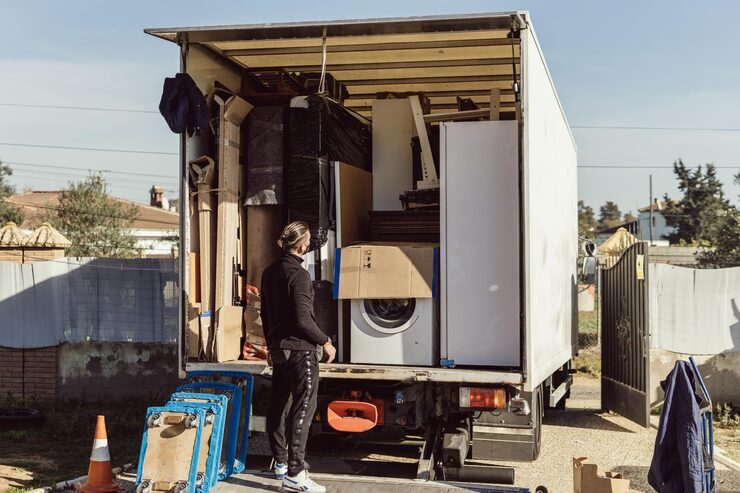
Anyone who’s managed a rental knows the feeling of opening a door and just sighing. The tenant moved out Friday, new people move in on the first, and there’s a sectional couch in the living room with a suspicious stain. Junk removal in Massachusetts is what gets you from that sigh to a clean, rentable unit before the clock runs out. Call early, point at the pile, and let somebody else deal with it. I’ve seen landlords try to do this alone in a rented van. It rarely ends well.
Why Turnovers Leave So Much Behind
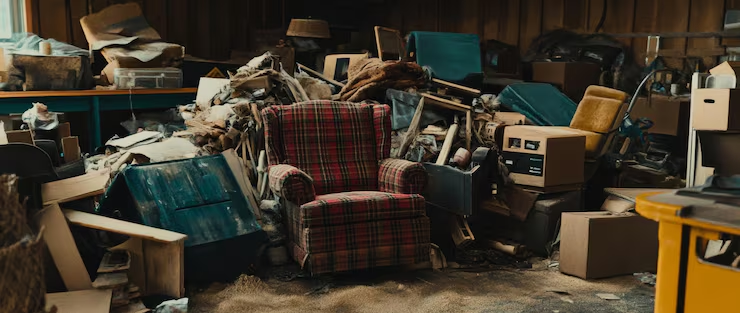
People moving out are tired and rushed. Whatever doesn’t fit in the truck gets ditched, and sometimes they ditch a lot. Mattresses, broken dressers, a TV that quit working, bags of clothes, a futon frame, the works. Some tenants just vanish and leave the whole apartment full. Other times it’s an eviction or an abandoned unit and you inherit everything. Either way, the stuff is now your problem, and the next tenant doesn’t care why it’s there. They want an empty, clean place on day one.
The Clock Is Always Ticking
Here’s the thing about turnovers. There’s no slack. In Massachusetts, a lot of leases flip on September 1st, and in college towns like Boston, Worcester and Amherst everybody’s moving the same week. Trucks get booked solid. If you wait until the unit is empty to call, you’re already behind. Better to book a few days out, ideally right as the tenant hands over keys. Every empty day is lost rent, and that adds up way faster than the cost of a pickup.
Know Your Legal Stuff Before You Toss Anything
This part makes people nervous, and it should. Massachusetts has rules about what you can do with a tenant’s belongings after they leave. You can’t just assume everything is trash. Depending on the situation, there may be notice steps or waiting periods before you clear it out, so check with an attorney or your local housing board. I’m not a lawyer, so don’t take legal advice from a guy who hauls couches. Take photos of everything before it leaves. Dated pictures and a written list protect you if anyone complains later.
What a Crew Can Actually Take
Pretty much anything in a unit. Sofas, bed frames, mattresses, desks, bookshelves, old appliances, curtains, the weird exercise bike nobody claims. A good crew does the lifting, the stair work, and the loading, so you don’t throw your back out in a third-floor walkup. They’ll sweep up too, usually, though ask first. Many landlords pair this with basic home cleaning afterward, and some cleanout services will leave the space broom-clean so the painters or cleaners can jump right in.
When the Heavy Stuff Shows Up
Every so often you open a door and find a piano. Upright, spinet, sometimes a baby grand. Nobody warns you about this. They weigh hundreds of pounds, they’re awkward, and moving one down narrow stairs can wreck a wall or a spine. This is where piano removal companies earn their money, because they’ve got the straps, the dollies, the training. Many general crews handle uprights too, so ask. Don’t try it with two buddies and a pizza bribe. I’ve seen that go badly. Pianos also can’t just get dumped anywhere, so let someone sort out where it goes.
Rules, Bans and Where Stuff Goes
Massachusetts bans certain things from regular trash, including mattresses and some electronics like TVs and monitors, and towns add their own rules on top. That’s why junk removal in Massachusetts isn’t just a truck and a dump run. A local crew knows which transfer stations take what, and what fees apply. Metal gets recycled. Decent furniture might get donated, though call the charity first because many are picky. Ask your crew where things end up. A straight answer is a good sign.
Talking Junk Removal Cost Like Adults
Landlords want a number, fair enough. Price mostly depends on volume, which is how much truck space your pile takes, plus stairs, distance, and heavy items. A single bedroom’s worth of leftovers might be a few hundred dollars. A full unit can run higher. Get quotes after someone sees the stuff, or at least photos. Ask what’s included, labor, disposal, sweeping. If a price sounds suspiciously cheap, something’s usually missing, like dump fees that show up later. Rate them against the cost of a vacant week and it starts looking pretty reasonable.
Working With Property Managers and Multiple Units
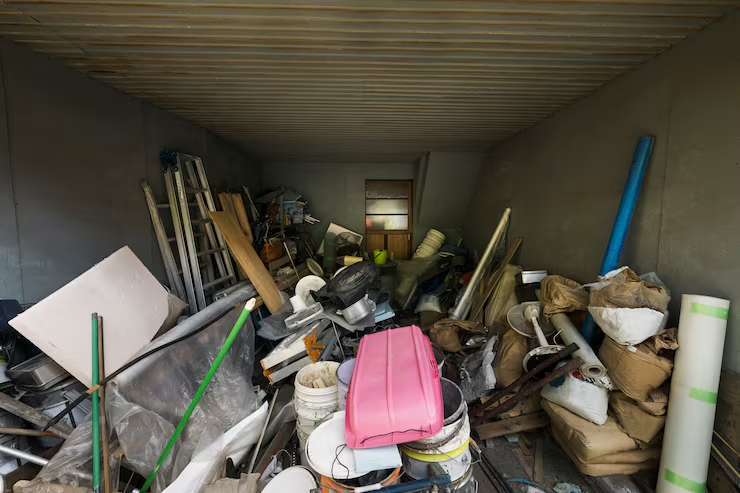
If you manage a bunch of units, build a relationship with one crew instead of calling around every time. They learn your buildings, the tight stairwells, the parking headaches, which landlord wants what. Repeat customers often get faster scheduling, and that’s gold during the September crunch. Send photos ahead, give clear access info, and tell them about elevators or HOA rules. A tidy handoff means fewer mistakes, and fewer angry texts from tenants waiting on a clean unit.
Wrapping Up the Turnover the Easy Way
Rental turnovers are a grind. You’re juggling cleaners, painters, inspections, showings, and a ticking lease date. Furniture disposal shouldn’t be the thing that wrecks your week. Book junk removal early, document what’s there, understand the rules, and ask about price before anyone starts lifting. Bring in the right help for heavy items like pianos. Do that, and your units turn faster, your tenants move in happier, and you stop dreading that first walk-through. It’s not complicated. It just needs a little planning, and a crew that shows up when they say they will.


